




The Japan Aerospace Exploration Agency (JAXA) plans to install a solid-state battery at the International Space Station this fall.
Cold temperatures can reduce battery performance, but it remains unclear how batteries will fare in extreme space conditions. This is why JAXA called for research proposals in 2016 and chose to cooperate with Hitachi Zosen to develop a solid-state battery that can operate in space.
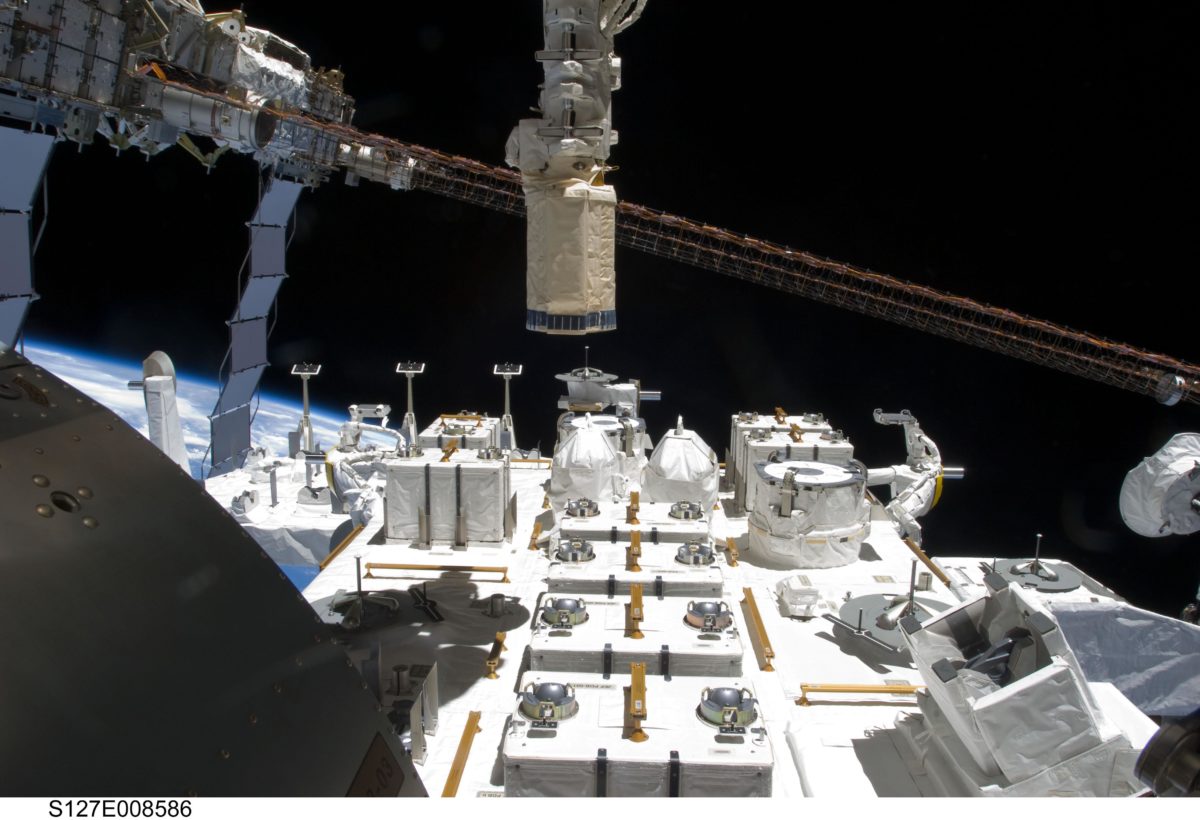
JAXA will send the solid-state battery to the ISS and attach it the IVA-replaceable Small Exposed Experiment Platform (i-SEEP) on the outside of the “Kibo” Japanese research module. The team will conduct tests for six months to gain conclusive data on the performance of the solid-state battery.
Popular content
JAXA will use 140 mAh batteries for the test. They will be connected with 15 cells to create a 2.1 Ah power supply. If successful, the batteries will be a lot easier to handle in space, because they won't need thick temperature protection shields. This could help to miniaturize and lighten battery designs.
In addition, the batteries won't require heating, which could improve the power consumption of battery-powered equipment in space. The team hopes to eventually use the technology to power Lunar and Mars rovers, as well as observation equipment.
This content is protected by copyright and may not be reused. If you want to cooperate with us and would like to reuse some of our content, please contact: editors@pv-magazine.com.


By submitting this form you agree to pv magazine using your data for the purposes of publishing your comment.
Your personal data will only be disclosed or otherwise transmitted to third parties for the purposes of spam filtering or if this is necessary for technical maintenance of the website. Any other transfer to third parties will not take place unless this is justified on the basis of applicable data protection regulations or if pv magazine is legally obliged to do so.
You may revoke this consent at any time with effect for the future, in which case your personal data will be deleted immediately. Otherwise, your data will be deleted if pv magazine has processed your request or the purpose of data storage is fulfilled.
Further information on data privacy can be found in our Data Protection Policy.