Austria to enable peer-to-peer electricity sharing from October

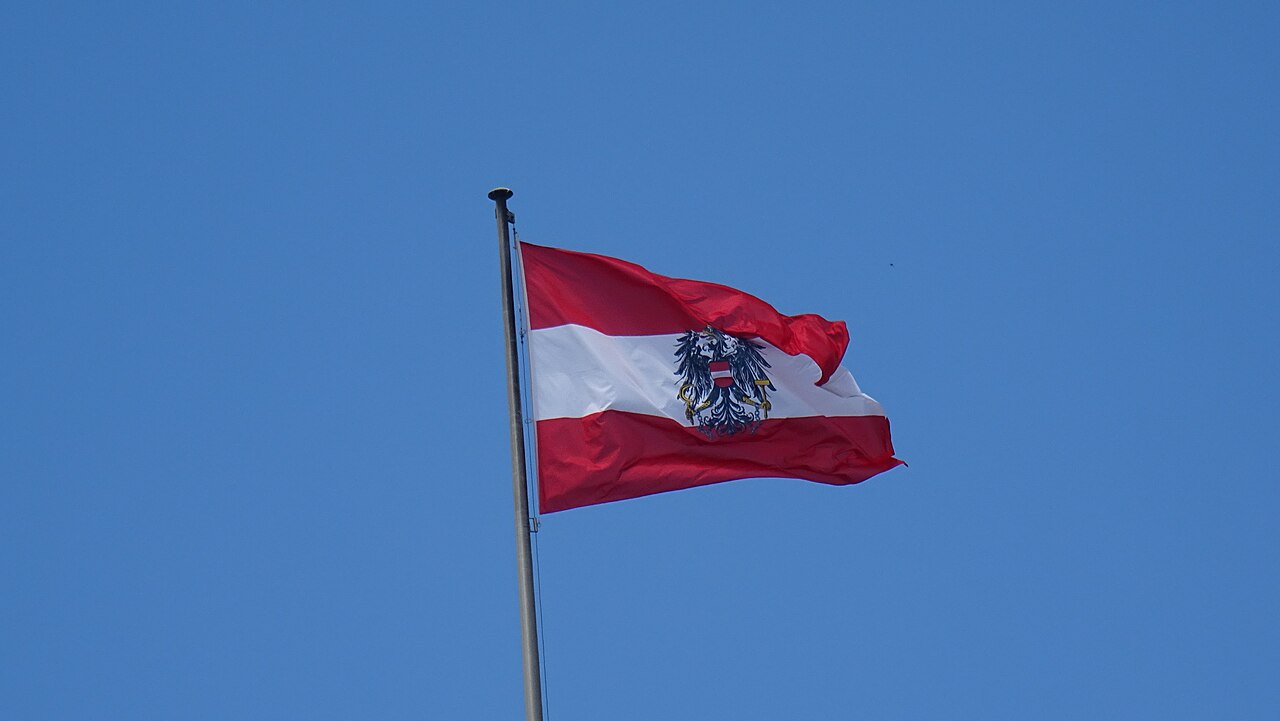
New rules governing shared electricity use will come into force in Austria on Oct. 1.
From Oct. 5, the framework will allow peer-to-peer electricity sharing to be implemented in practice, according to Austria’s coordination office for energy communities.
Under the new framework, individuals and legal entities will be able to share self-generated electricity without establishing a separate legal entity.
Processing and billing can take place directly between the contracting parties or through a service provider or registered organizer. Unlike energy communities, peer-to-peer arrangements may be operated for profit.
The model will initially be subject to geographical restrictions. For the time being, only metering points assigned to the same grid operator will be able to participate. According to the coordination office, implementation across multiple grid areas, enabling nationwide electricity sharing, is expected from April 2027.
Reduced grid charges
A transition period will also apply to grid charges. An amended regulation governing grid charges is currently scheduled to take effect on Jan. 1, 2027. From that date, planned reductions in grid charges will apply to local and regional citizen energy communities, peer-to-peer arrangements, and joint generation facilities.
As a result, while peer-to-peer electricity sharing can begin within the local and regional areas of a single grid operator from Oct. 5, grid operators will not be able to apply reduced grid charges between October and December 2026.
According to the coordination office, only members of local or regional renewable energy communities will remain eligible for reduced grid usage charges until the end of 2026.
Reduced grid tariffs are planned for peer-to-peer contracts between metering points located close to one another. To qualify, participants will have to define a specific “proximity zone” when registering. The framework distinguishes between main line, site, local and regional zones.
This content is protected by copyright and may not be reused. If you want to cooperate with us and would like to reuse some of our content, please contact: [email protected].

Please login to comment