
LG Energy recalling battery systems in Australia due to fire risks
The Australian Competition and Consumer Commission has confirmed a recall notice for some of LG Energy Solution’s battery energy storage systems due to potential fire-related risks.
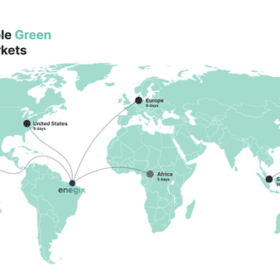
Brazil may host $5.4bn green hydrogen plant
The facility is expected to be located in the state of Ceará and to be powered by around 3.6 GW of wind and solar facilities located in the region. The project developer is Australia-based Enegix Energy.
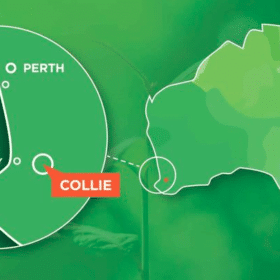
Australian startup aims to become one of the first first Li-ion anode producer outside China
A handful of companies are challenging Chinese control of a core material in lithium-ion battery production, before the electrification of transport truly kicks off the global battery boom. International Graphite, a Perth-based startup at the forefront of this effort, recently spoke to pv magazine Australia about the surprisingly collaborative race to feed global demand.
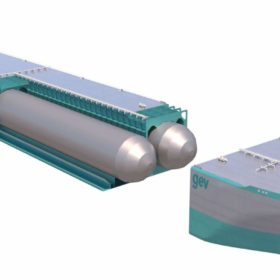
Australian green hydrogen vessel deemed ‘highly competitive’
A scoping study has found that Global Energy Ventures’ compressed hydrogen ship is technically feasible and ‘highly competitive’ to transport the hyped future fuel at distances that conveniently connect Australia to Asian markets.
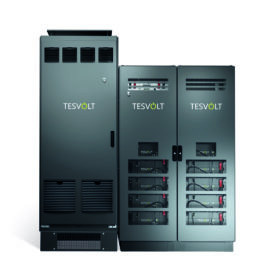
Tesvolt launches commercial battery with inverter and energy management system
According to the German manufacturer, the TS-I HV 80 can combine a wide variety of applications such as optimized self-consumption and intelligent peak load capping.
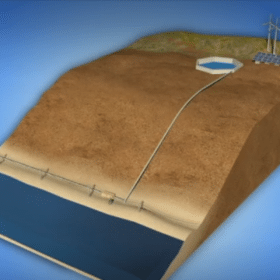
Pumped hydro with desalination, powered by renewables
EDF and Oceanus plan to build a pumped hydro storage station and a desalination system powered by wind and solar. The system will use saltwater to produce hydropower during periods of high demand, while producing affordable freshwater.
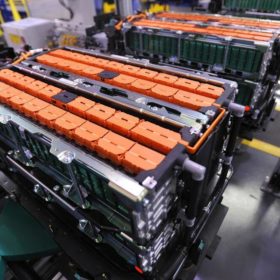
Novel nanomaterial to replace graphite in lithium-ion batteries
Porous nanostructured microspheres made of copper, iron, and iron oxide were used by an international research team as negative anode material in lithium-ion batteries. The new technique is claimed to provide three times more capacity than batteries based on graphite anodes.
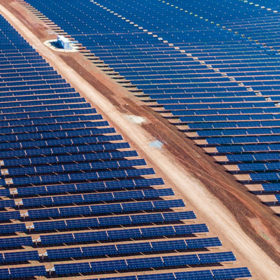
Infrastructure Australia adds world’s biggest PV project to priority list
Sun Cable’s ambitious 13 GW Australia-ASEAN Power Link, which is designed to export solar electricity from Australia’s Northern Territory to Singapore, continues to shine bright, with the Australian government including the mega-project on its Priority Initiative List.
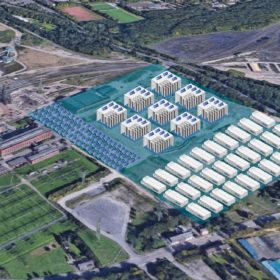
German steel giant wants to set up 500 MW green hydrogen plant
German energy company Steag is helping Thyssenkrupp decarbonize its steel production site in Duisburg-Walsum. Green hydrogen generation is expected to be powered by a mix of wind and solar power.
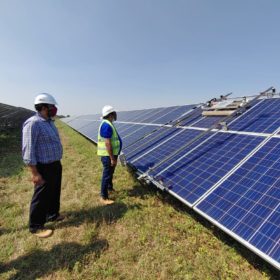
Indian panel-cleaning startup expands manufacturing capacity
Solavio Labs has already held three funding rounds to support the development of its new panel-cleaning robot.
