Research & Development

Solar R&D is focused on improving efficiency, reducing production costs, and extending system longevity. Key areas include tandem and perovskite cell development, advanced materials for encapsulation and contacts, and new concepts in system integration.
Simulation tools, AI-driven design, and accelerated testing methods are expanding research capabilities. Sustainability and circularity targets are increasingly embedded in innovation strategies.
Advertisement
Latest News
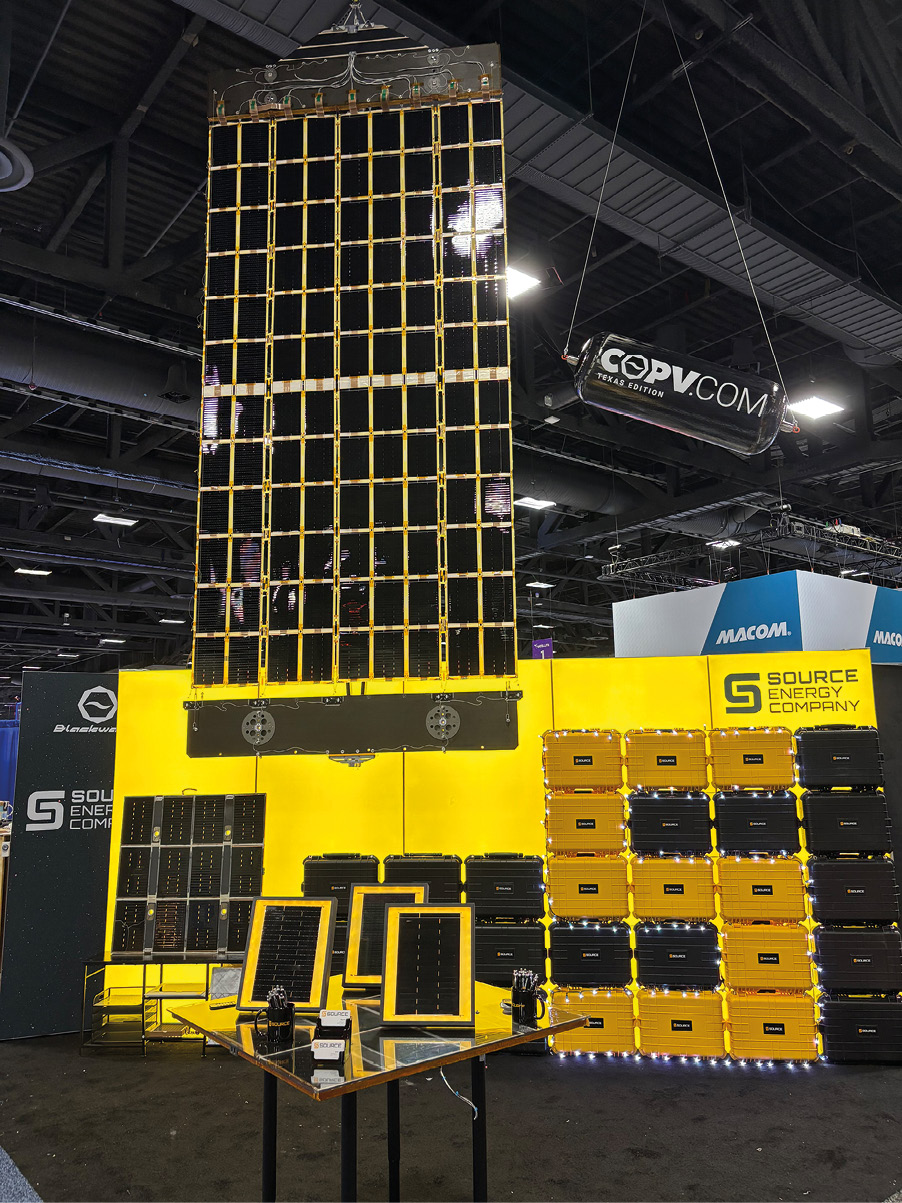
Spacebound silicon
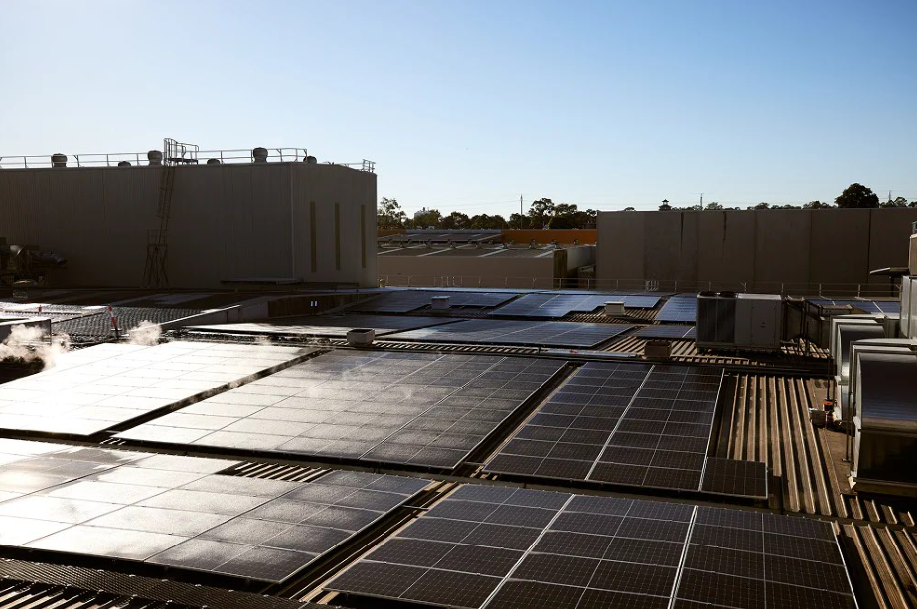
Solar has a long history in powering satellites and space exploration, and high-powered devices based on multijunction PV cells made from “III-V” materials such as gallium arsenide or indium gallium phosphide have supplied this niche market as far back as the 1960s. But those devices are made with rare materials and complex processing, limited to small batches produced at high cost.
Oct 06, 2026
Advertisement
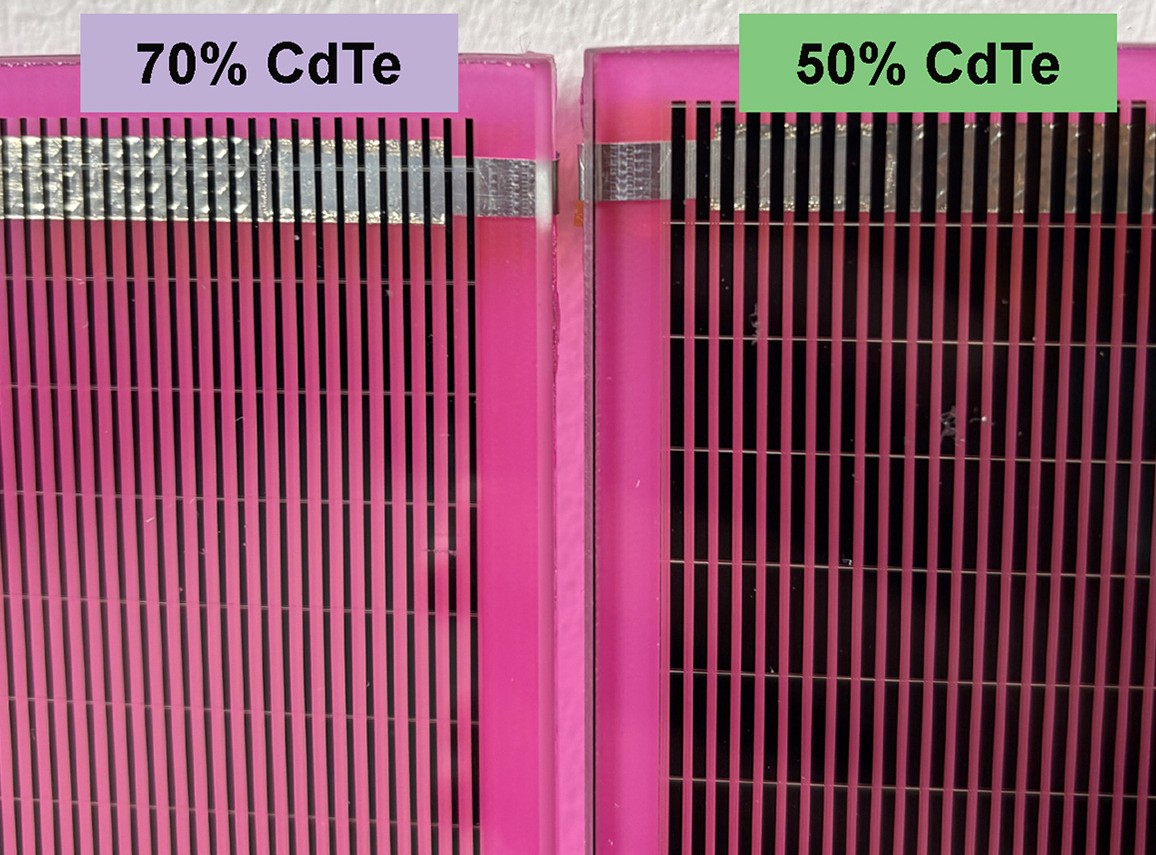
Magenta CdTe solar panels support broccoli cultivation in agrivoltaic trial
Researchers in Sweden and Italy have investigated the performance of semitransparent, magenta-colored cadmium telluride (CdTe) thin-film solar panels designed to transmit wavelengths favorable for broccoli growth. The study found that the panels affected microclimatic conditions, photosynthetic performance, nutrient composition, and overall land productivity.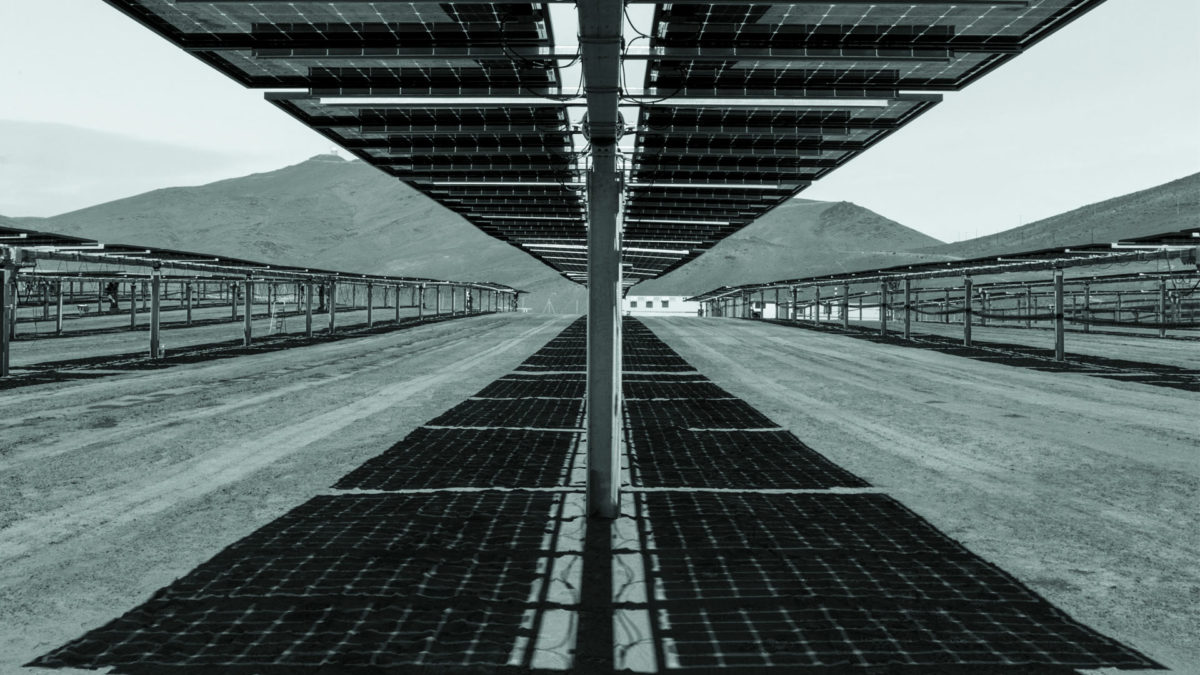
Study reveals up to 15% gap between expected and actual bifacial gains in utility-scale PV
Researchers in Spain have found that the effective bifaciality of solar modules in utility-scale PV plants can be up to 15% lower than their nominal rating. Based on two years of operational data from a 50 MWp solar plant in Spain, with findings validated across four additional installations in Spain and the United Kingdom, the study highlights the influence of irradiance, temperature, mounting geometry and operating conditions on rear-side power generation.
Trina Solar researchers propose new classification of ultraviolet-induced degradation in TOPCon solar cells
Trina Solar researchers have proposed a new classification distinguishing reversible and irreversible ultraviolet-induced degradation in TOPCon solar cells. The framework aims to improve reliability testing, identify persistent performance losses, and provide more accurate assessments of long-term module performance under real-world conditions.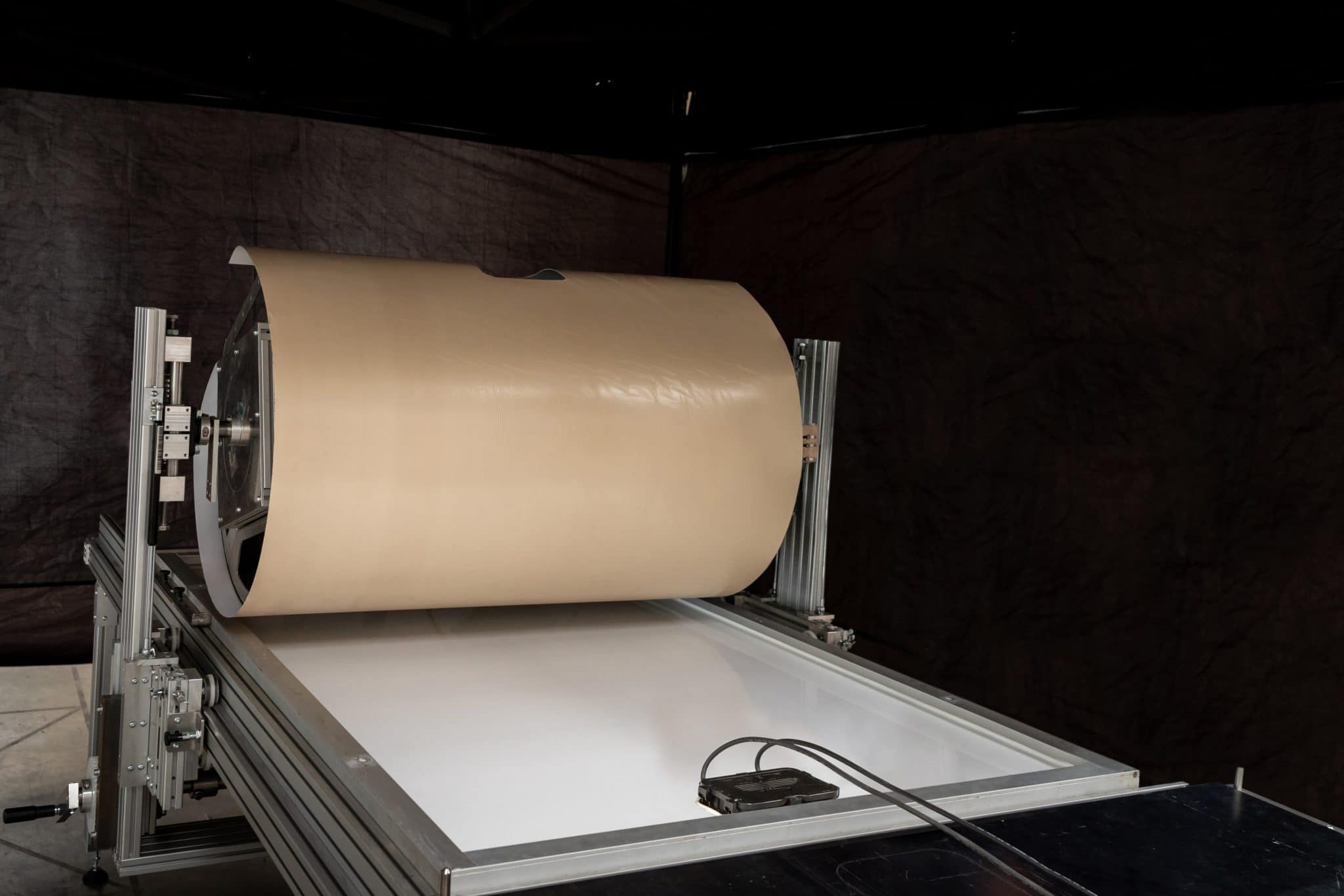
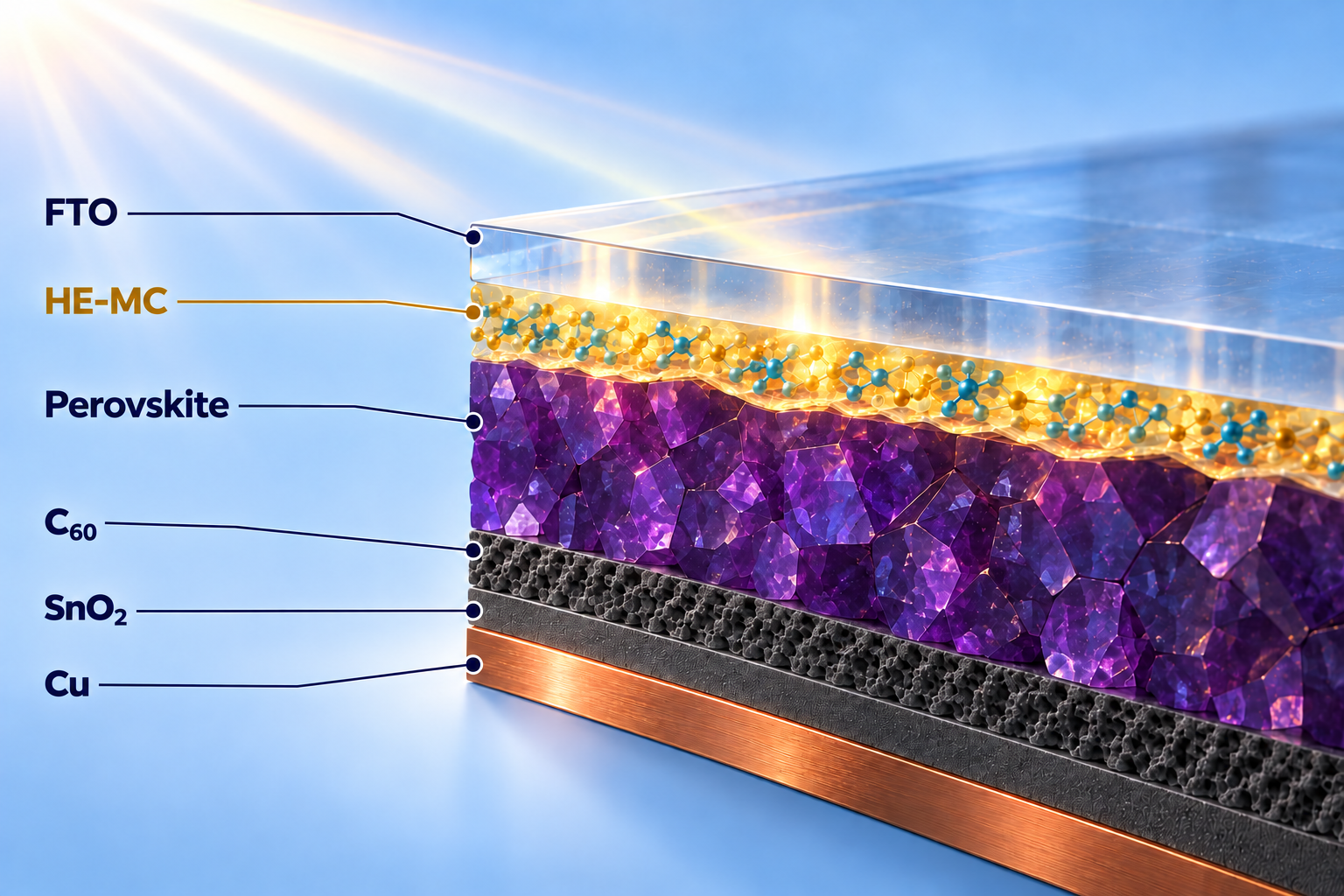
Three-molecule blend boosts inverted perovskite solar cell efficiency to 27.5%
Chinese researchers have developed high-entropy molecular contacts that enabled inverted perovskite solar cells to achieve a certified steady-state efficiency of 27.31%. The approach also improves thermal stability by preventing molecular contact degradation.
Advertisement
Advertisement
All Research & Development news

UK: Renewables eliminate need for nuclear power
According to a new report, the “explosive” growth of photovoltaics in the U.K., and the related falling costs, mean the market for nuclear is disappearing. Combined with “stiff competition” from other renewables, the case for investing in nuclear is shaky at best.
Advertisement
Is the answer to clean, cheap and reliable solar energy floating in the sea?
A team of researchers at the Norwegian University of Science and Technology (NTNU) and research body SINTEF are exploring how algae can be used to create next-generation solar cells. Mathias Aare Maehlum, a Masters student in energy and environmental engineering at NTNU explains.
Advertisement
US SunShot program unveils $10 million rooftop PV competition
In its bid to significantly lower the costs of solar technology and make it competitive with other forms of energy by the end of the decade, the U.S. Department of Energys SunShot program has unveiled a competition inviting participants to demonstrate faster, cheaper and easier ways of installing rooftop photovoltaic systems.
Advertisement
Advertisement