
DNV publishes new floating PV safety standards
Norwegian classification society DNV has published two new guidelines covering the structural design of floats for floating solar systems and their mooring and station keeping systems.
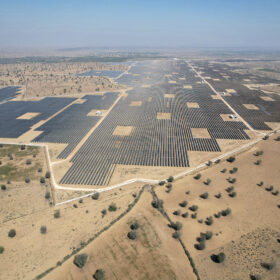
PV curtailment on the rise in India
India curtailed 300 GWh of renewable energy in Q1 2026 due to transmission constraints, according to a new repor from Ember.

Italy to assign 10 GW of PV in 2026-2027 renewables auctions
Italian energy agency GSE announced it will allocate 10 GW of solar capacity and 16 GW of wind power through auctions planned for 2026 and 2027.
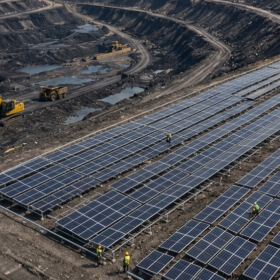
From coal to solar: A stable jobs transition for Poland
Research from Poland finds the development of the country’s solar industry will likely result in stable economic stimulus over the next 15 years, supporting between 20,000 and 40,000 direct full time contracts until 2040 depending on the level of investment and operations and maintenance of PV installations.

Supply chain traceability reduces regulatory risk in European solar procurement
Verifying upstream material origins and compliance with environmental and social standards requires time and documentation, while project timelines remain tight. The ability to demonstrate a transparent and audited supply chain is therefore becoming a prerequisite for participation in large-scale projects in Europe.
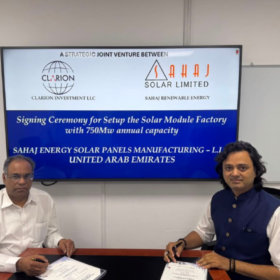
Sahaj Solar, Clarion plan 750 MW PV module factory in UAE
The plant will serve global markets, especially GCC countries and the United States, combining Sahaj Solar’s manufacturing expertise with Clarion Investments’ logistics capabilities.

South Korea advances bill to scrap renewable quota system
A substitute bill abolishing South Korea’s Renewable Portfolio Standard and replacing it with a government-led auction system cleared a key National Assembly committee this week.
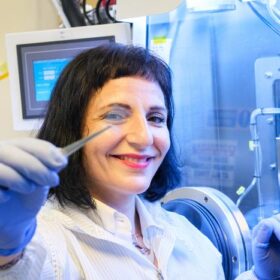
Researchers develop perovskite solar cells about 50 times thinner than conventional devices
Researchers at NTU Singapore have developed ultra-thin perovskite solar cells about 50 times thinner than conventional designs using a vacuum-based thermal evaporation process. The devices can be semi-transparent and energy-generating under diffuse light, making them promising for integration into building windows and facades.
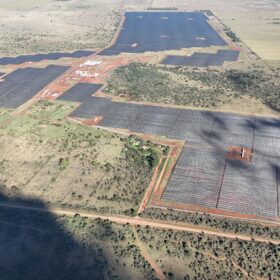
Amea Power switches on 120 MW solar plant in South Africa
The Doornhoek solar PV project, located in South Africa’s North West province, is the first to be completed under the sixth bid window of the country’s renewable energy independent power producer procurement program.
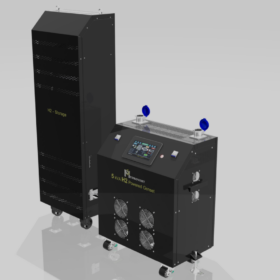
Indian startup offers hydrogen fuel cell stationary gensets
Hydrovert Energy has developed hydrogen fuel-cell-based stationary power generators with capacities ranging from 5 kVA to 50 kVA for long-duration backup power in commercial and industrial applications. The systems use hydrogen as the sole fuel input, regardless of whether the hydrogen is produced via fossil fuel-based processes, renewable-powered electrolysis, or nuclear energy pathways.
