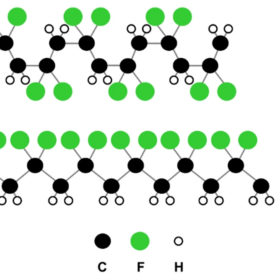
Putting polyvinylidene-fluoride backsheets to the test
US scientists tested PV modules built with backsheets and polyvinylidene-fluoride (PVDF) layers, to replicate the degradation the material has suffered in the field of accelerated testing. By exposing the modules to multiple stresses, they were able to cause degradation in the backsheet materials. Though this did not closely match what has been seen in the field, such testing can be useful in identifying potential weaknesses.
A repair tape for cracked backsheets
Backsheet failures have plagued the industry, causing hefty financial burdens to many asset owners. DuPont has launched a product it says allows for easy repair of modules.

pv magazine video: How quality can lower solar risk and insurance rates
This year’s pv magazine Quality Roundtable USA looked at extreme weather, and how resiliency can be built through modern O&M. Representatives from DuPont, Stäubli, Nextracker and RETC took to the virtual stage to discuss weather-related damages, and how to harness quality materials and workmanship to industry’s advantage, particularly when it comes to insurers. Ariel Re and NovaSource, meanwhile, looked at issues like risk management insurance solutions and asset stabilization. Case studies and presentations on the field performance of PV modules, and extreme hail and fire, were also included.
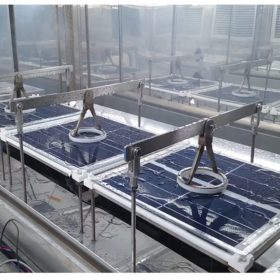
A stress test for all seasons
Scientists led by the U.S. National Renewable Energy Laboratory (NREL) have developed a new stress testing protocol for PV modules, one designed to simultaneously expose modules to multiple stresses, as they likely would be in the field. Putting modules through this test, the researchers have already been able to reveal new information regarding backsheet degradation, and they promise new insights into other degradation mechanisms both known and unknown as well.

pv magazine video: Higher yields are possible
The first session of the pv magazine Virtual Roundtables Europe on June 9 showed that the performance of PV arrays can be boosted with effective measures – proving it’s more than just theoretical. The evaluation of a portfolio of 70 plants prompted a performance boost of 8.4%. The video of the event is now online.
Longi and DuPont expand collaboration on product innovation
The companies aim to jointly develop higher quality and more competitive cells and modules that will in turn ensure the viability of PV power plants.
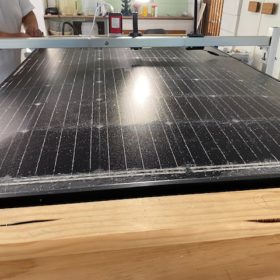
Solarwatt’s Vision glass-glass PV passes Australian cyclone testing
Solarwatt’s Vision glass-glass solar PV modules have pushed the technology’s resilience even further after passing cyclone testing in Darwin, Australia.

Innovation shines at pv magazine awards ceremony in Abu Dhabi
The winners of the 2019 pv magazine awards have been recognized in a ceremony alongside the World Future Energy Summit. The victors spoke of the importance of innovation being recognized within the industry.
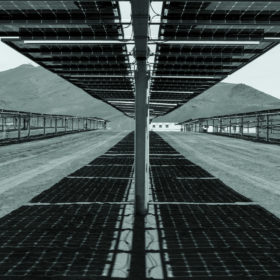
Bifacial beats Trump’s tariffs
Federal trade authorities have ruled that bifacial solar modules are no longer subject to the Section 201 ruling, which currently apply a 25% tariff to most solar modules imported to the United States.

Video: Quality Roundtable tackles glass-glass issue and underground cabling
At The smarter E Europe trade show, held in Munich in May, pv magazine was invited for another iteration of its Quality Roundtable events. Experts from manufacturing, project planning, finance and testing took the stage to inform the crowd on quality issues with modules, cables and inverters.
