Modules
All Modules news

U.S. solar hardware market tightens as buyers race back-to-back tariff deadlines
The Q2 2026 A1 Solar Index report highlights a U.S. solar hardware market tightening under heavy regulatory pressure as buyers rush to secure origin-compliant inventory ahead of steep tariff deadlines and domestic content rules.
Oct 01, 2026
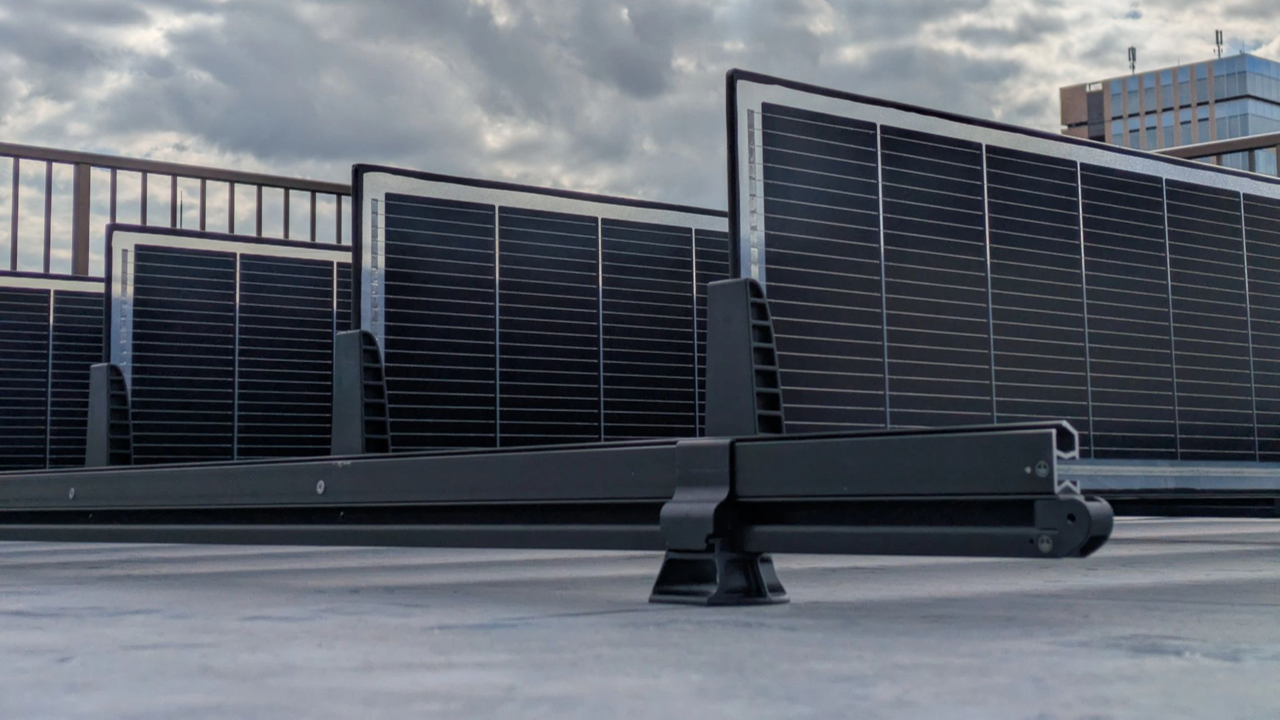
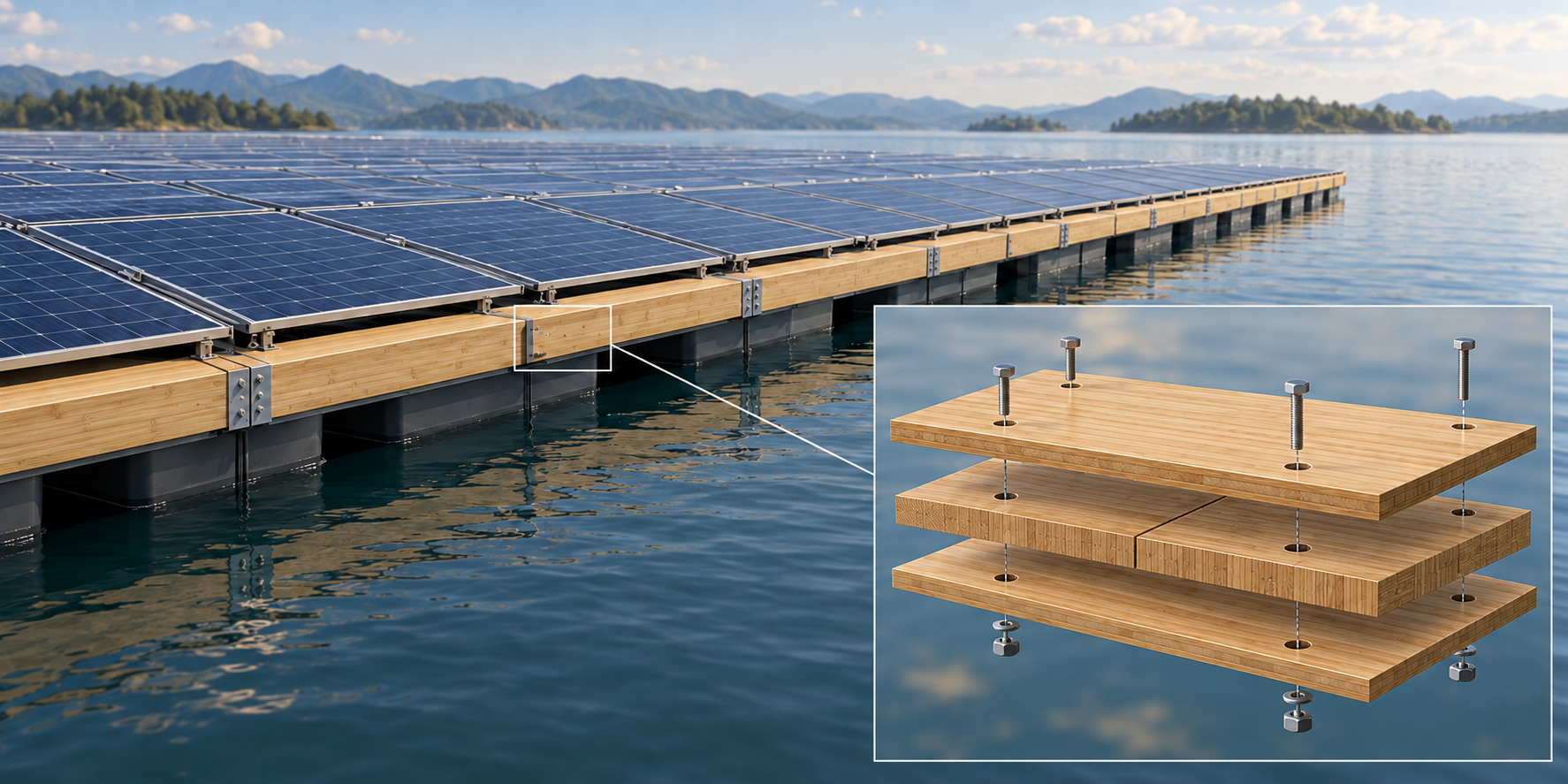
Researchers test laminated bamboo structures for floating PV platforms
Chinese researchers tested thin-plate glued laminated bamboo (glubam) assemblies for use in floating PV platforms, assessing their flexural behavior under different plate and bolt configurations. The results show that plate configuration, bolt spacing, bolt diameter, and thickness distribution can significantly affect the structures’ ultimate load capacity.
Advertisement
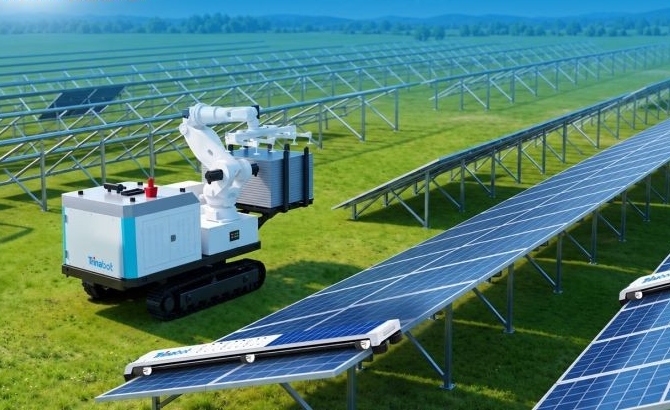

Bilayer transparent conductive film for electrostatic dust removal achieves 96.36% cleaning rate on PV panels
Chinese researchers have developed an bilayer transparent conductive film for electrostatic dust removal from PV panels.
An 80 nm magnesium fluoride coating offered the best balance of optoelectronic and cleaning performance, with dust removal reaching 96.36%.
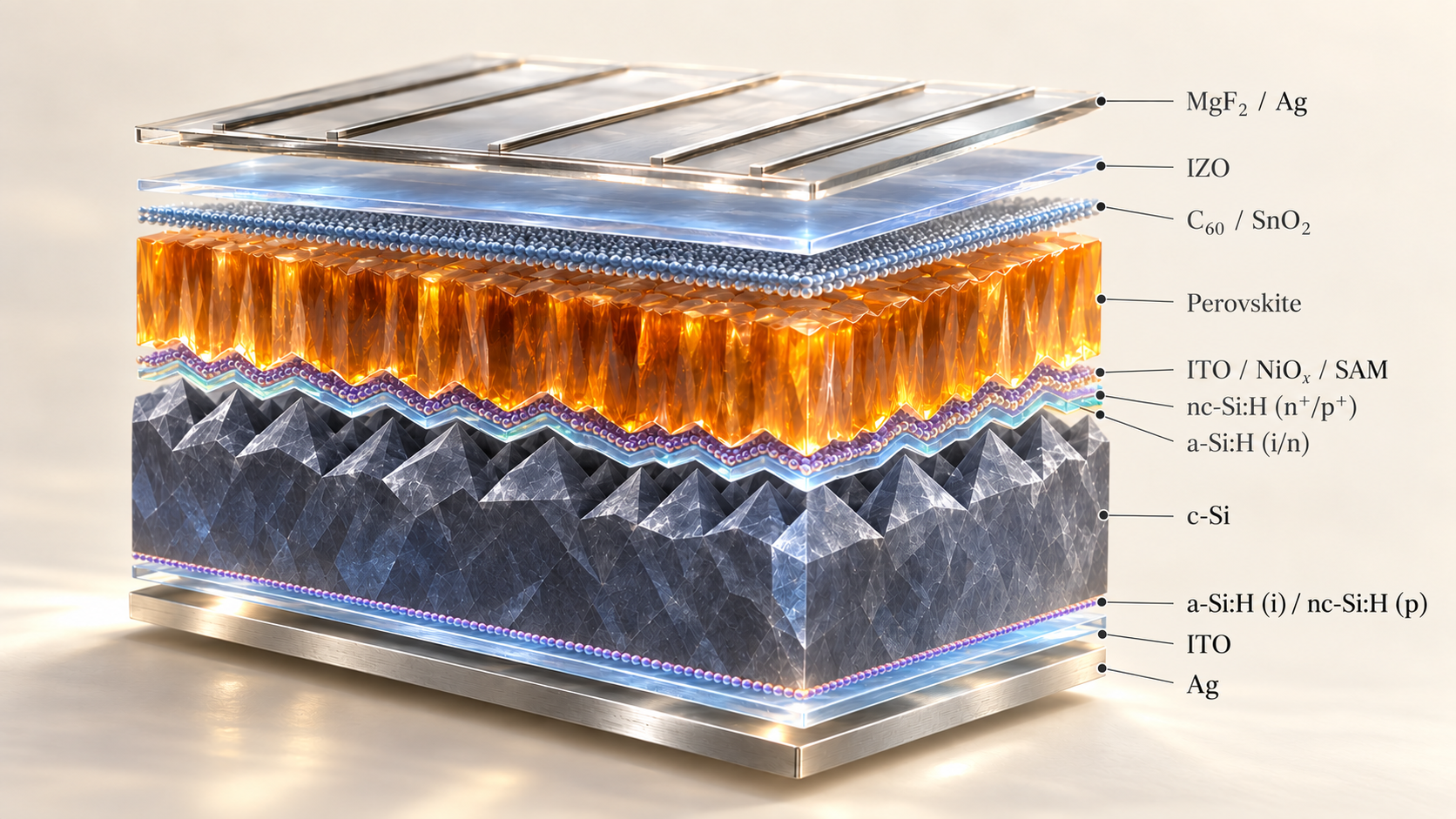
Perovskite-silicon tandem solar cell built on textured silicon reaches 30.77% efficiency
Chinese researchers have developed a healing treatment to improve perovskite film quality on industrial textured silicon for perovskite-silicon tandem solar cells. The approach enabled a certified tandem efficiency of 30.77% while improving device stability.
Advertisement

Twenty-two U.S. solar PV manufacturers included in first domestic Ratings Pyramid
A new analysis of solar PV manufacturers in the United States by Terawatt PV Research provides the first detailed analysis of the current U.S. solar PV manufacturing landscape, with each company analysed across production, capital expenditure, technology, global activities/ownership and U.S.-specific strategy.
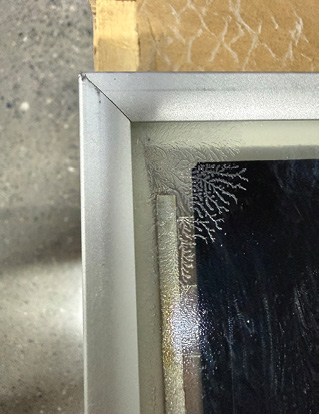
Peeling back the layers
As part of a PV module’s construction, front and rear encapsulants are used to bond solar cells to the front (typically glass) and rear (glass or polymer backsheet) surfaces. When these components degrade, delamination or bubbles can occur, opening new channels for moisture and oxygen ingress, drastically accelerating other failure mechanisms such as cell metallization corrosion.

Advertisement


Advertisement

- Don’t miss out on key industry events, deadlines, and gatherings that shape the future of the energy transition.
- Visit our comprehensive Events Calendar to mark your schedule with the latest happenings in the photovoltaic and energy storage sectors.
Advertisement
Advertisement
Advertisement