pv+ Premium

Exclusive Premium Content with pv+
With pv+, you get access to high-quality content from pv magazine Deutschland, as well as in-depth, thoroughly researched articles that we publish exclusively online as part of pv+.
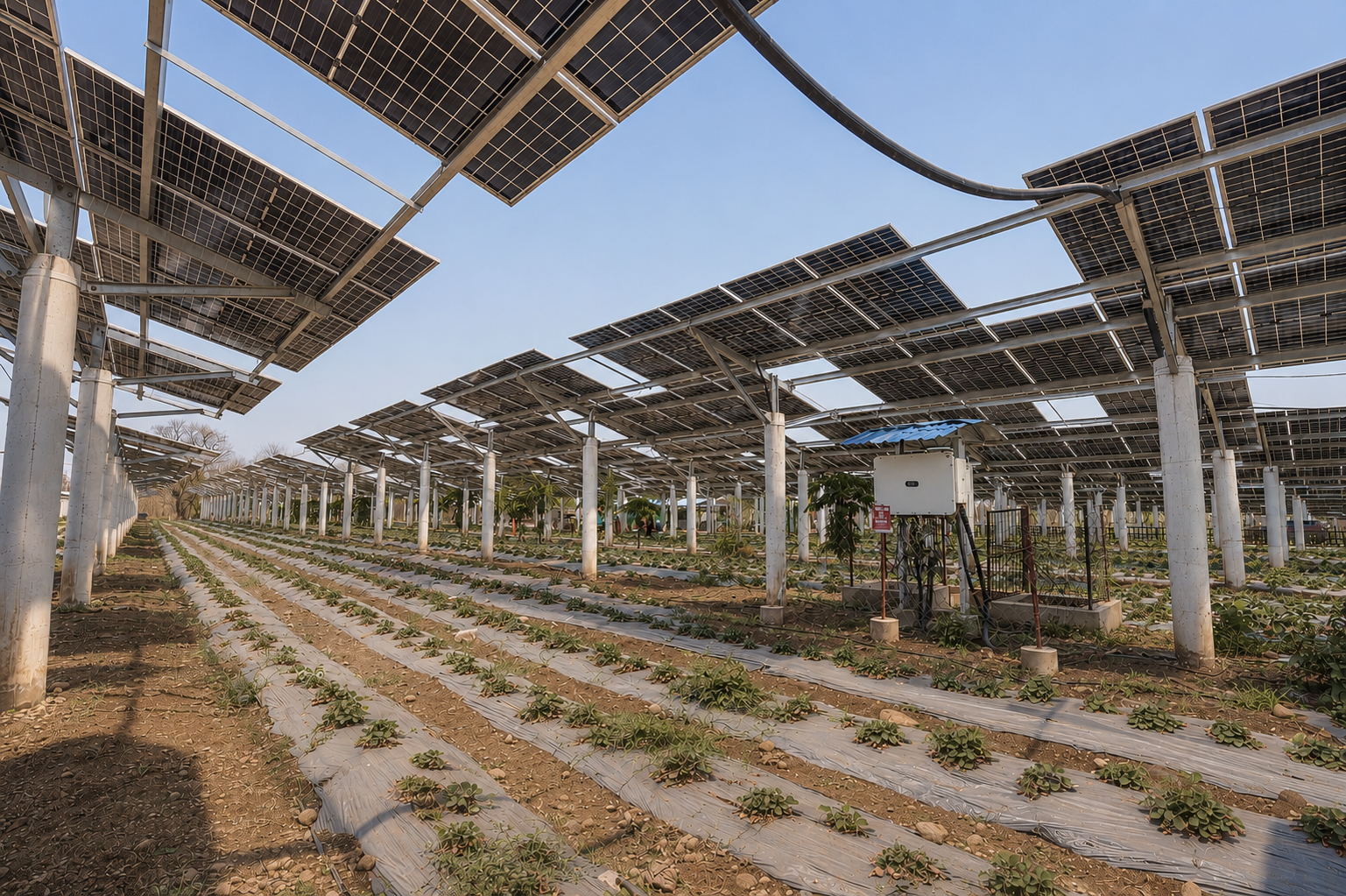
Inverted ambition
The strong policy support that has driven India’s huge investments in PV module manufacturing has been largely absent from the inverter segment, which still relies heavily on imports. pv magazine spoke with Harshul Kanwar, research analyst at Wood Mackenzie, about the market and prospects for Made-in-India power electronics.
23 hours ago
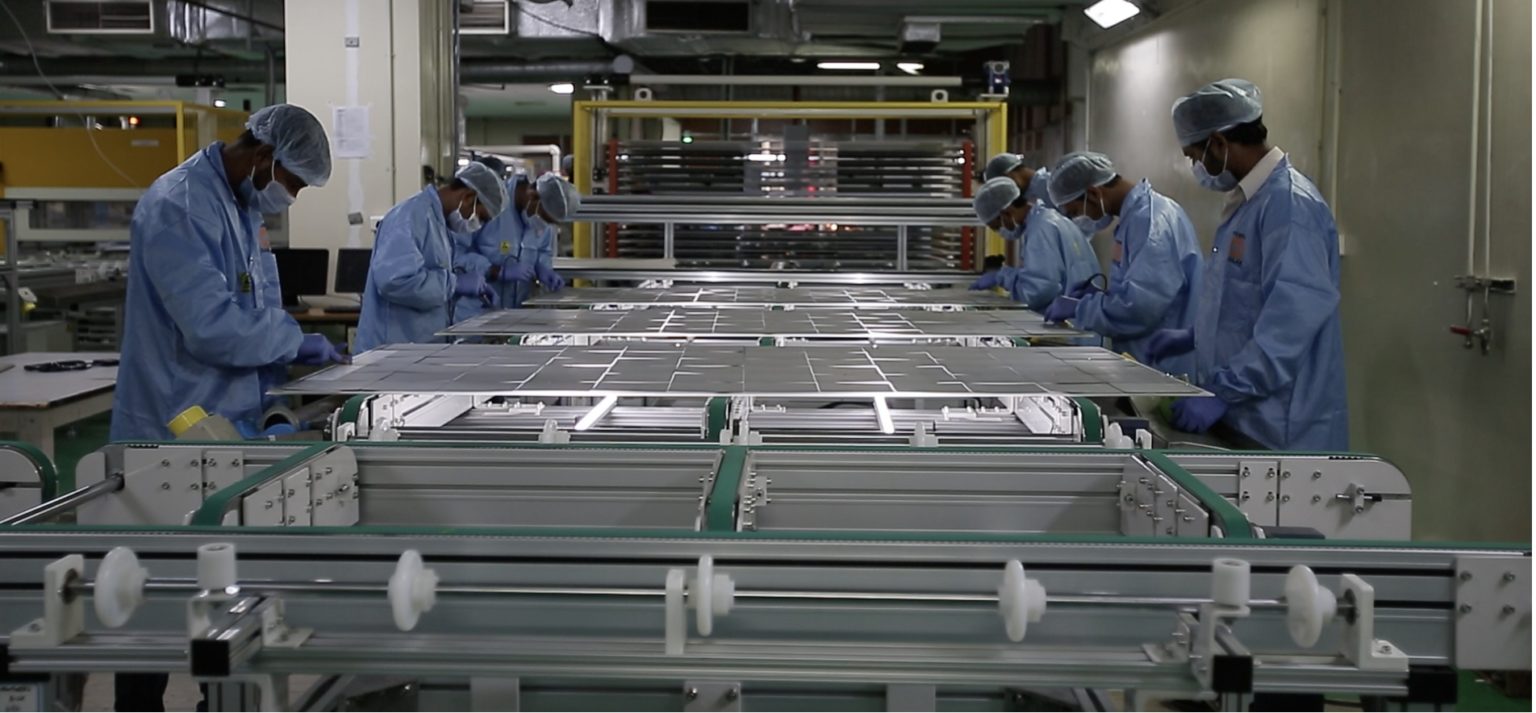
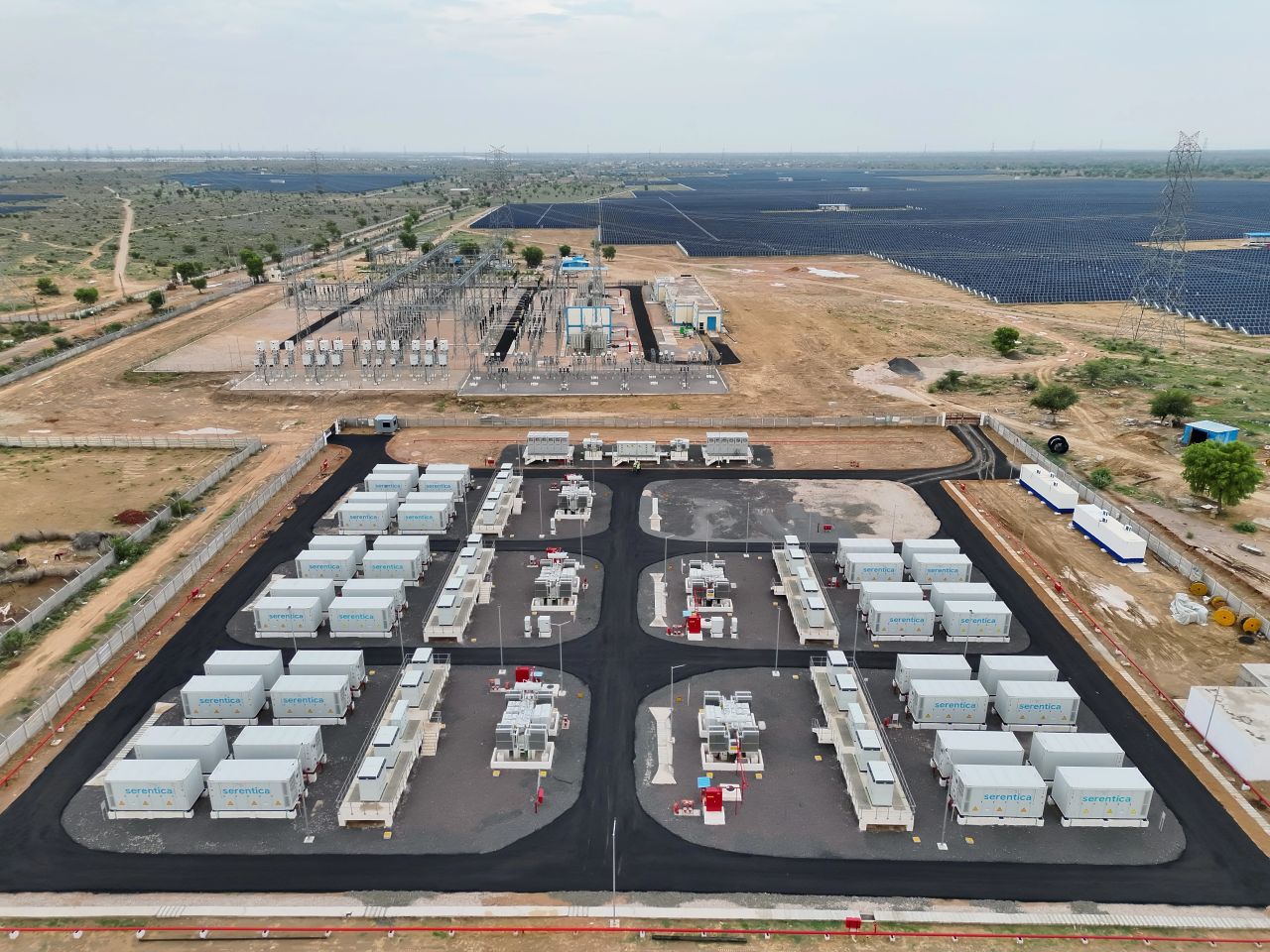
Pricing India’s storage demand gap
India tendered more battery storage in 2025 than in the previous three years combined. Winning bids for these projects have fallen roughly 86% since the country’s first standalone energy storage auction in 2022. On the surface, this reads like a market maturing exactly on schedule. But the reality is less clean-cut, and Vision Mechatronics CEO Rashi Gupta sees industry figures repeatedly making the mistake of treating headline gigawatt-hours as a proxy for real demand.

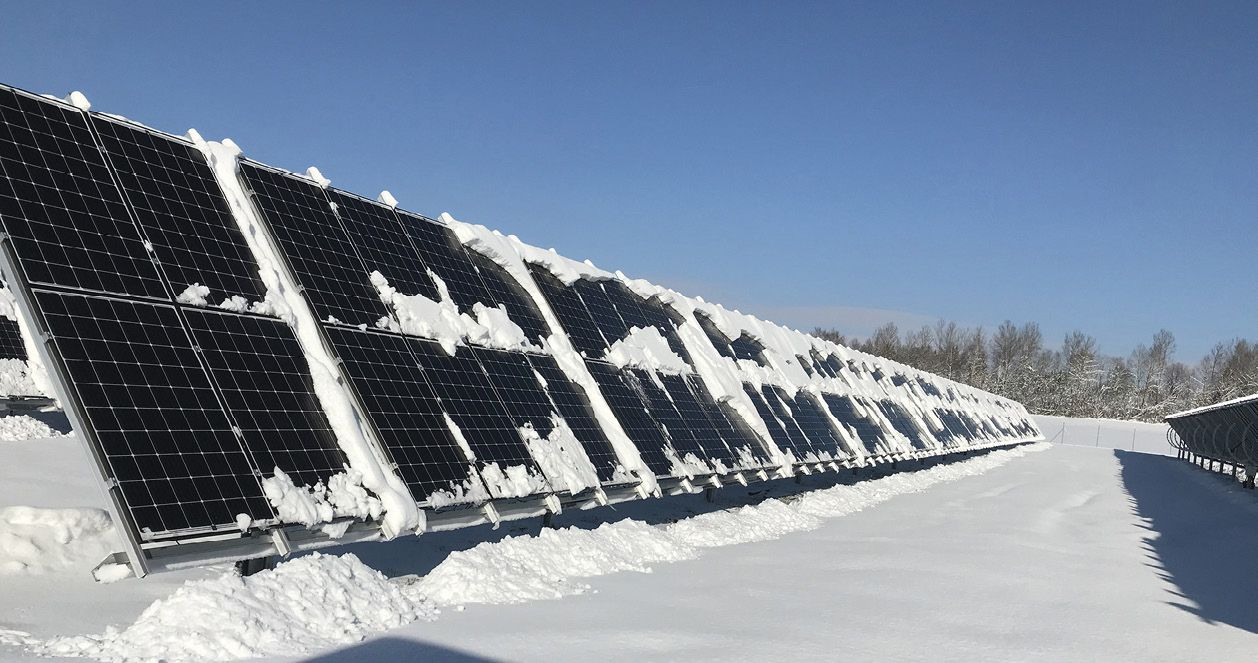
Design for all climates
From alpine snow loads to desert dust and tropical humidity, PV systems are increasingly being deployed in environments that place modules and components under very diverse stressors. As more solar moves into these regions, project design needs to look beyond nameplate efficiency to center around the climate it will face for decades.

Follow the money
Since 2024, solar tracker companies in North America have invested more than $1.6 billion in corporate acquisitions, expanding beyond solar mounting to enter adjacent segments of the clean energy value chain. The majority of this capital has circulated within the United States, led by North America’s largest tracker suppliers. Lorenz Golser of S&P Global sees a wider strategy to build a one-stop shop for clean energy.

Can Beijing end the race to the bottom?
China is tightening the rules of solar competition through cost accounting, mandatory efficiency standards, tax changes and capacity controls. The real test is not whether prices rise, but whether excess capacity is removed and the industry can return to sustainable profitability without losing its global cost and technology edge.
Poly pricing and potential expansion
The United States has made significant changes to trade and energy policy in 2026. The enforcement of these policies and potential further changes on the horizon could reshape the solar market yet again. Jesse Pichel and Lev Seleznov of Roth Capital examine the potential impacts.
Everything’s bigger in Texas
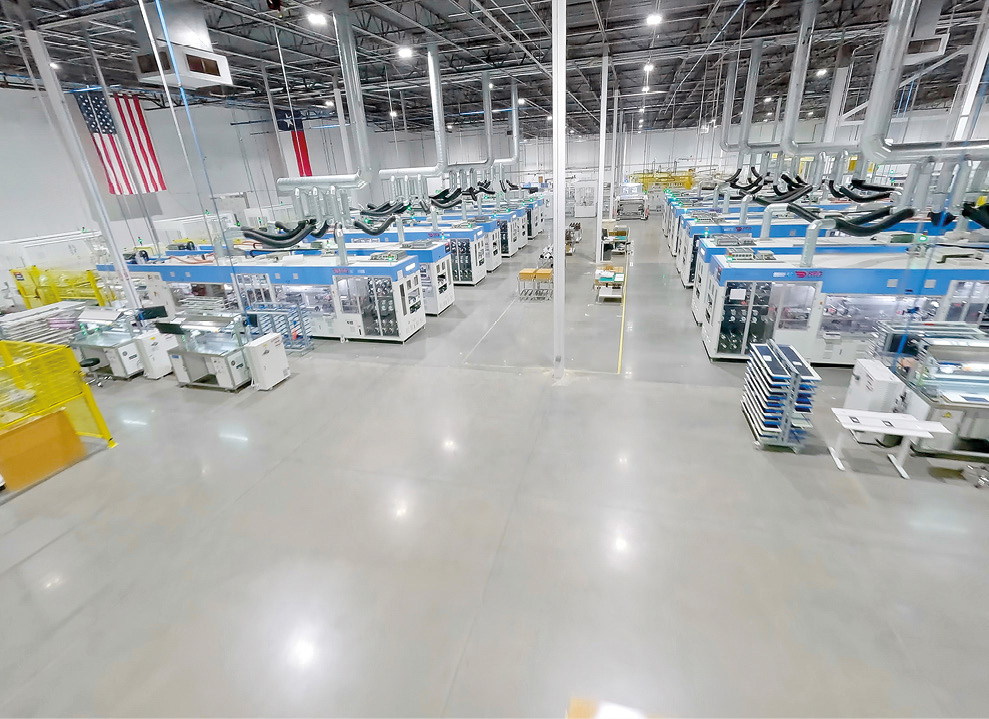
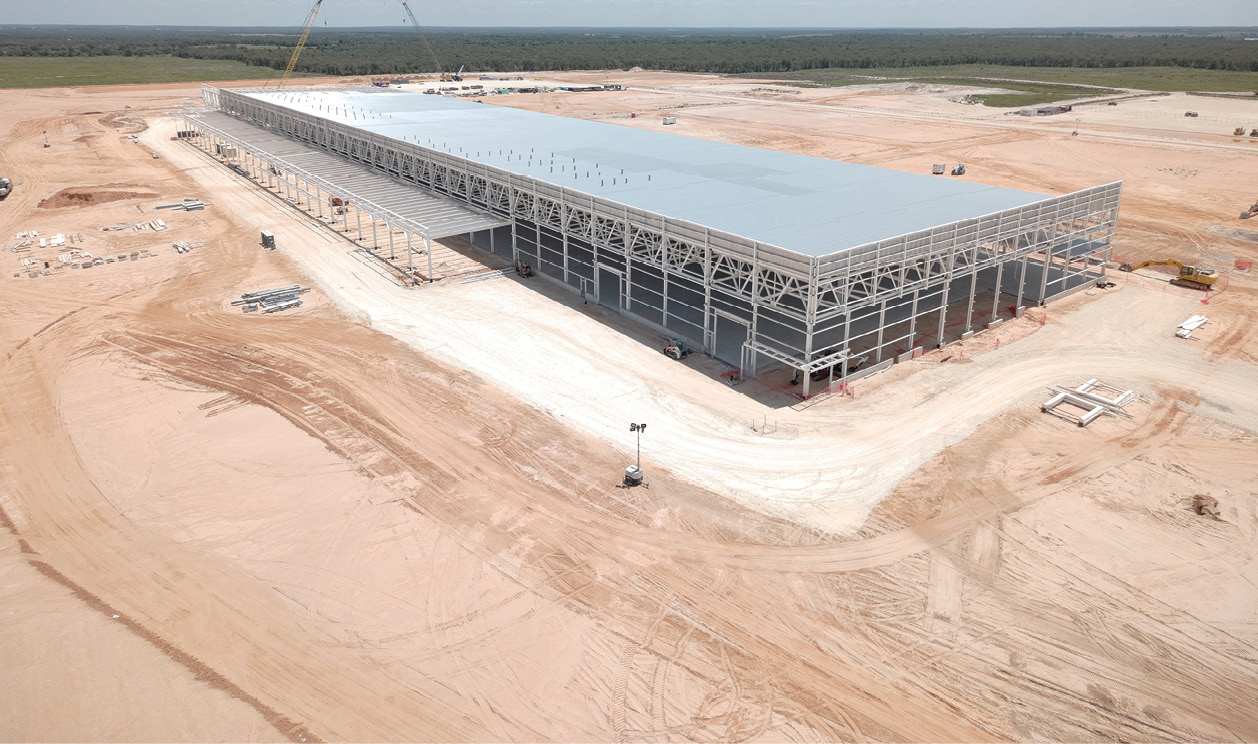
By almost any measure, the story of solar power in Texas has been one of astounding success. The state is by far the country’s fastest-growing solar market. The Solar Energy Industries Association (SEIA) records nearly 54 GW of solar and more than 29 GWh of batteries have been installed, while Texas is also growing into a vital hub for the US solar manufacturing industry, as Ben Zientara reports.

Spacebound silicon
Solar has a long history in powering satellites and space exploration, and high-powered devices based on multijunction PV cells made from “III-V” materials such as gallium arsenide or indium gallium phosphide have supplied this niche market as far back as the 1960s. But those devices are made with rare materials and complex processing, limited to small batches produced at high cost.
Already a subscriber?
Login