Markets & Policy

In highly regulated energy markets, policy decisions can make or break new technologies, strategies, and even entire industries.
Support from policymakers, in the form of procurement exercises, priority dispatch, tax incentives and a wealth of other instruments, has been vital to the global solar industry’s success, and new mechanisms to support growth in energy storage are an increasingly important part of the story today.
Advertisement
Latest News

Oil in turmoil, solar stays stable
Soaring energy costs have grabbed headlines around the world the past two months, but prices across the solar supply chain are marching to their own beat, writes Hanwei Wu of OPIS. Oversupply in Asia continues to distort markets, with either sharp price falls or tepid price gains.
May 25, 2026
Advertisement

‘Renewable energy is not a side story in our economic growth, it is the headline’
The Philippines’ Board of Investments (BOI) certified 13 renewable energy projects under the Green Lane initiative in the first five months of 2026, signaling strong momentum for clean energy investment. These projects account for 99.6% of the PHP 346 billion ($6.18 billion) in total Green Lane approvals, highlighting the sector’s dominance in the country’s expedited investment pipeline.
Global solar demand on track for first annual decline in two decades
At the SNEC 2026 conference in Shanghai, BloombergNEF (BNEF) lead solar analyst Jenny Chase re-iterated a sobering projection: solar deployment will slow this year before returning to a much more conservative growth trajectory. The defining question facing the industry now is clear: what trends will step up to pull solar growth back upward?
Bangladesh introduces 0% tax rate for solar power sector
Bangladesh has announced a major solar energy incentive package, including a 0% tax rate for the solar power sector until 2035 and a 5% rebate on consumer solar electricity payments. The policy also removes import and other duties on key solar components to boost investment and support the country’s renewable energy targets for 2030 and 2050.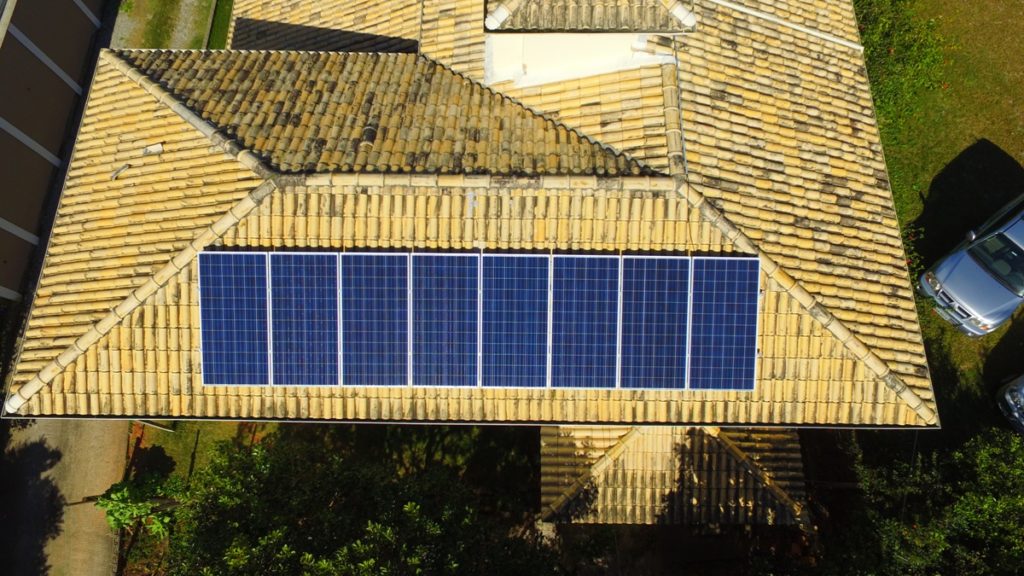
Advertisement
Advertisement
All Markets & Policy news
‘Renewable energy is not a side story in our economic growth, it is the headline’
The Philippines’ Board of Investments (BOI) certified 13 renewable energy projects under the Green Lane initiative in the first five months of 2026, signaling strong momentum for clean energy investment. These projects account for 99.6% of the PHP 346 billion ($6.18 billion) in total Green Lane approvals, highlighting the sector’s dominance in the country’s expedited investment pipeline.
Global solar demand on track for first annual decline in two decades
At the SNEC 2026 conference in Shanghai, BloombergNEF (BNEF) lead solar analyst Jenny Chase re-iterated a sobering projection: solar deployment will slow this year before returning to a much more conservative growth trajectory. The defining question facing the industry now is clear: what trends will step up to pull solar growth back upward?
Bangladesh introduces 0% tax rate for solar power sector
Bangladesh has announced a major solar energy incentive package, including a 0% tax rate for the solar power sector until 2035 and a 5% rebate on consumer solar electricity payments. The policy also removes import and other duties on key solar components to boost investment and support the country’s renewable energy targets for 2030 and 2050.
Advertisement

Advertisement

Production not politics, capex not capacity – the new metrics defining U.S. solar manufacturing
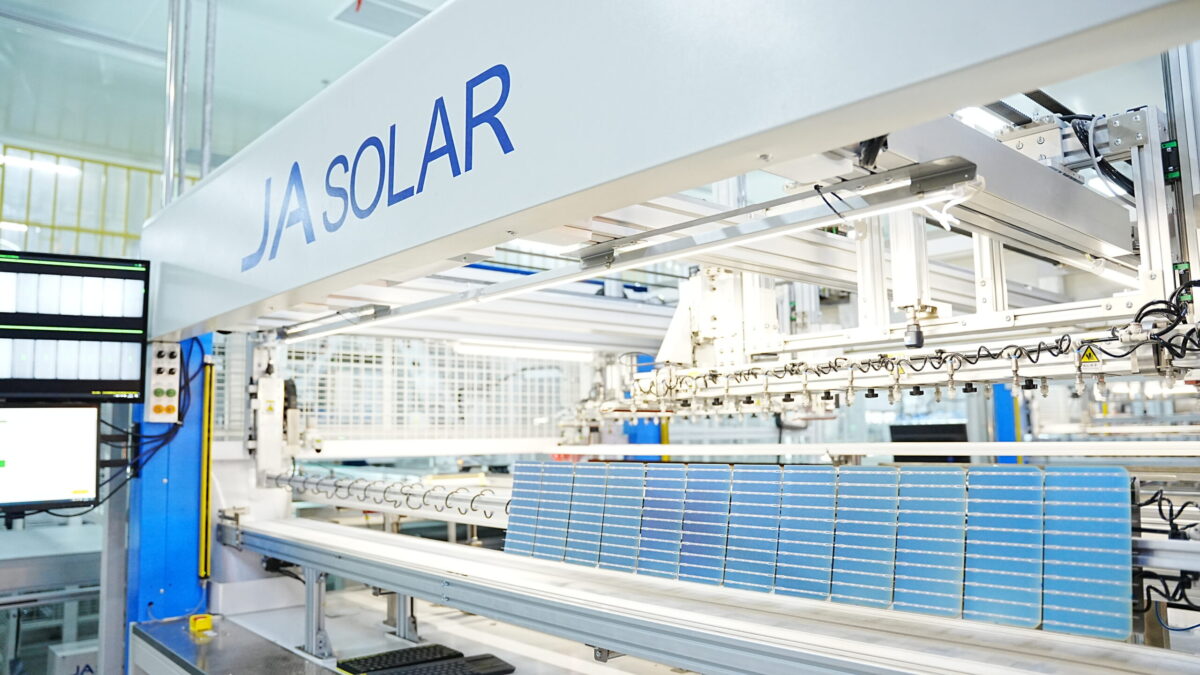
The landscape for solar PV manufacturing in the United States is set to move from bystander-curiosity to manufacturing-scrutiny. Finlay Coville explores how this transition has come about, why the existing analysis of the manufacturing space has been largely superficial until now, and what tracking a capital expenditure (capex) heavy manufacturing sector looks like in practice.

Advertisement
Advertisement