Author

Uma Gupta
Based in New Delhi, Uma Gupta has over 15 years of experience in reporting on subjects ranging from semiconductor chips to energy and automation. She has been associated with pv magazine since 2018, covering latest trends and updates from the Indian solar and energy storage market.
Advertisement
Articles written by Uma Gupta


EMMVEE ramps up 1.4 GW TOPCon solar cell line with German equipment
Indian PV manufacturer EMMVEE has commissioned a 1.4 GW TOPCon solar cell production line, achieving cell efficiencies of up to 25.4% on M10 wafers. Following the ramp-up, German equipment suppliers involved in the project have secured follow-up orders from the company.
Advertisement


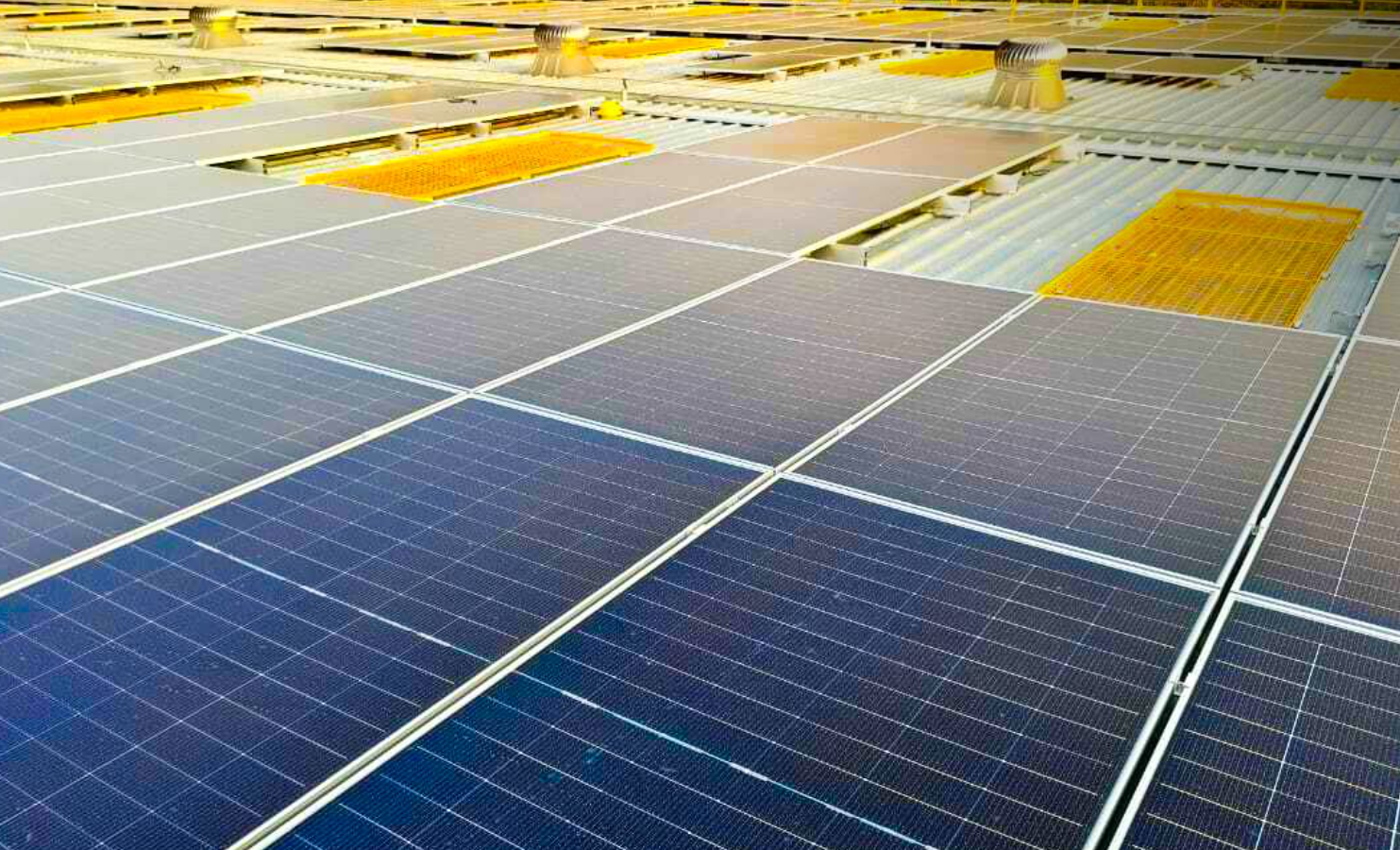
Domestic solar cells to meet half of India’s total demand this fiscal year
Crisil expects India’s domestic solar cell supply to rise to about half of demand by fiscal 2026–27, driven by localization policies and capacity expansion, but warns that rapid buildout could pressure utilization and returns.
Advertisement
India curtailed 2.1 TWh of renewable electricity in fiscal year 2025–26
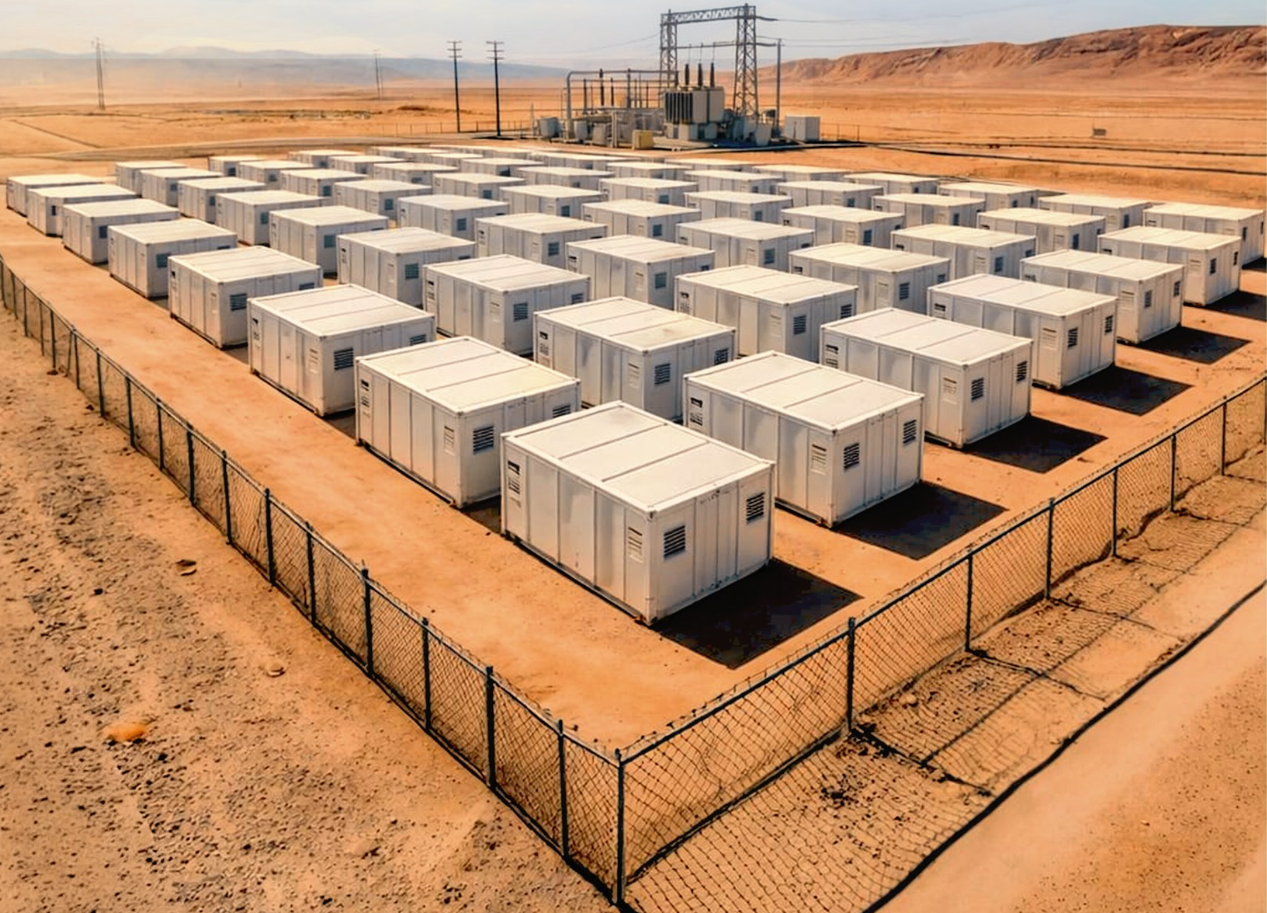
Ember’s analysis found that about 2.1 TWh of renewable electricity generation was curtailed in fiscal year 2025–26, equivalent to 1.3% of total renewable generation, to keep coal-fired power plants operating at their minimum technical load. The report estimates that around 10 GWh of energy storage, charged during peak midday solar generation hours, would have been sufficient to absorb this surplus renewable output, maintain coal plants above their minimum technical load, and avoid the curtailment altogether.
Jun 17, 2026

Navitas Solar plans 3.6 GW PV cell factory, pilot wafer-ingot production in India
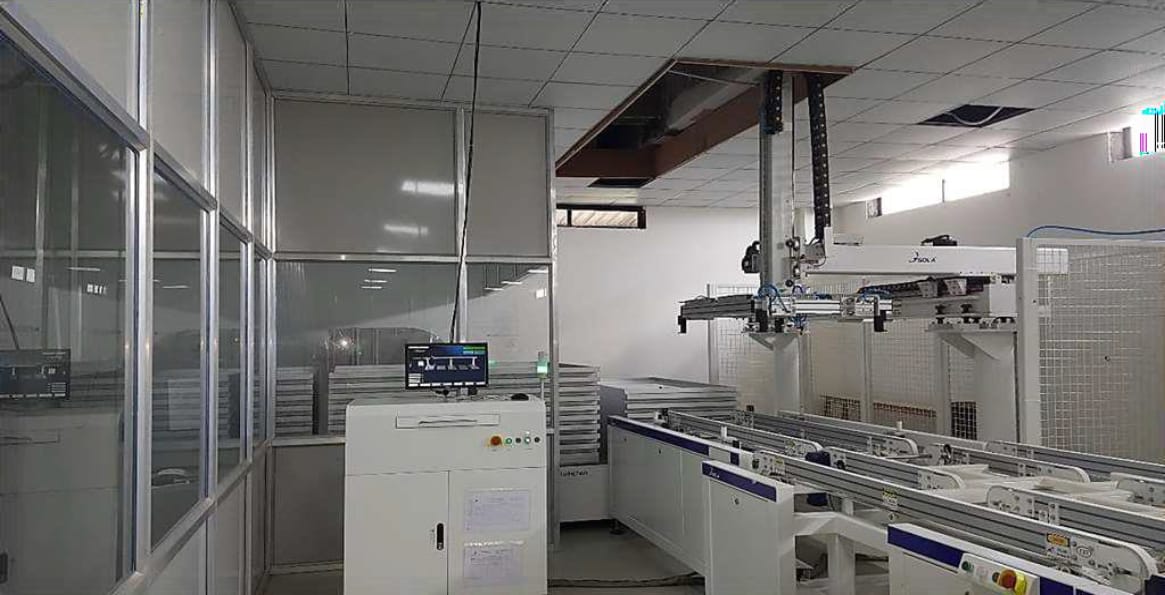
Navitas Solar, a Surat-based PV module manufacturer, has announced plans to invest around INR 1,500 crore in a 3.6 GW solar cell manufacturing facility and a pilot wafer and ingot production line in Gujarat as part of its backward integration strategy.
Advertisement