Blooming roofs – 10-2020

Already a subscriber?
Login
Excerpt from the magazine



Energy supply in an archipelagic nation
Mobile electricity storage systems (MESS) – batteries that are charged and then transported – could offer one of the best scenarios for electrification across the vast Indonesian archipelago, which spans more than 17,000 islands. A team at the University of Indonesia is working with multiple government agencies to bring the idea to scale and provide affordable electricity to rural Indonesians.
Oct 12, 2020

Subscribe now for instant access to this issue and every published issue since 2016.
Subscribe

In the long run…
PV module makers are under growing pressure to increase the power output and longevity of their products, which leads in some cases to rapid changes in the technologies and materials they utilize. pv magazine recently sat down to speak with Kaushik Roy Choudhury and Mark Ma of DuPont Photovoltaic Solutions about the changing landscape for quality in solar PV materials.
Oct 12, 2020

The cracks are showing
Finding tiny cracks in a silicon solar cell is not that easy, particularly given that these cracks initially have little or no effect on module performance. But a number of common occurrences in a module’s lifetime can cause cracks to grow, rendering whole areas of a cell useless. And this is increasingly being recognized as one of the most significant risks to module reliability – one which the PV industry is hard at work to mitigate.
Oct 12, 2020
Something truly new
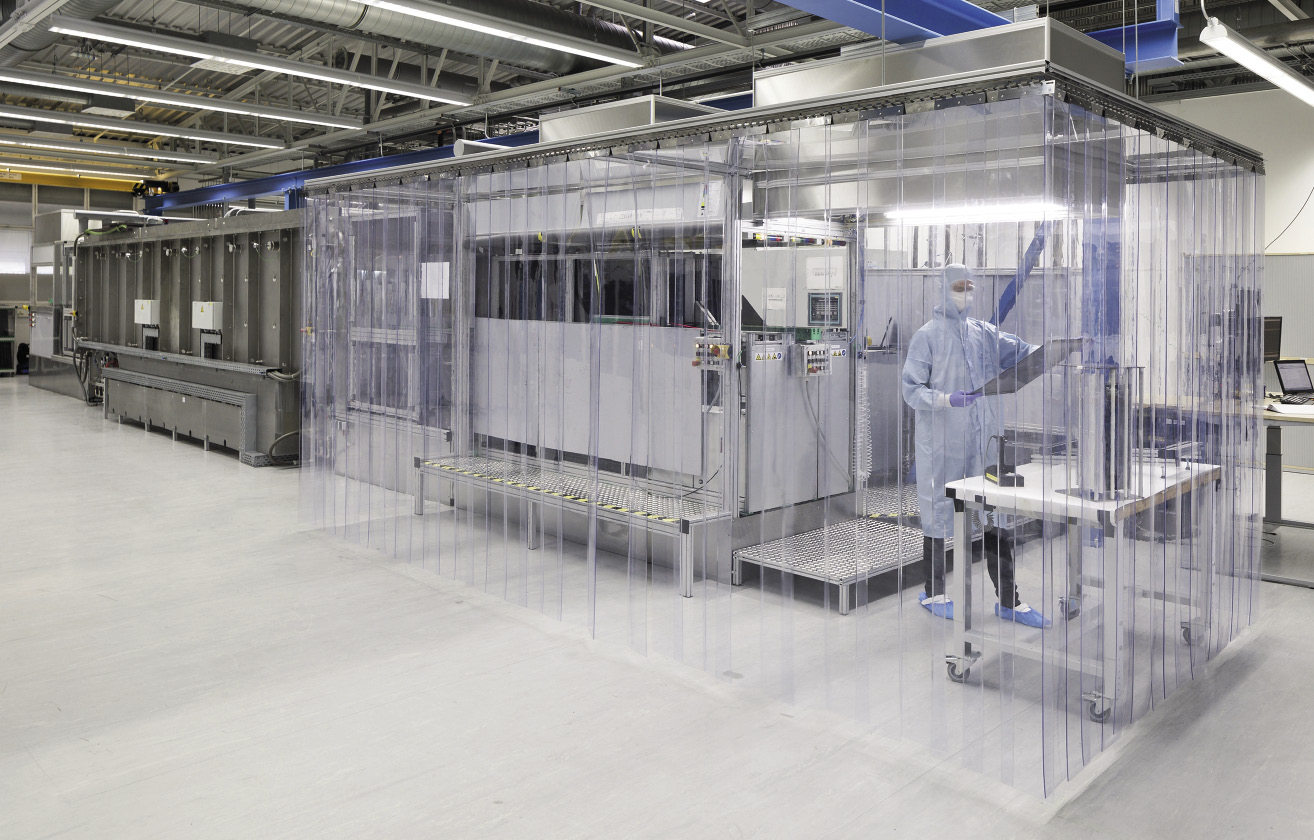
You can try to succeed by making a better version of your competitors’ product, or you can try to do something completely new. NexWafe has chosen the second path. It is developing plans to manufacture wafers for high-efficiency solar cells in Bitterfeld, Germany, that are produced more sustainably and at lower cost than any other products available today.
Oct 12, 2020
Circular innovations
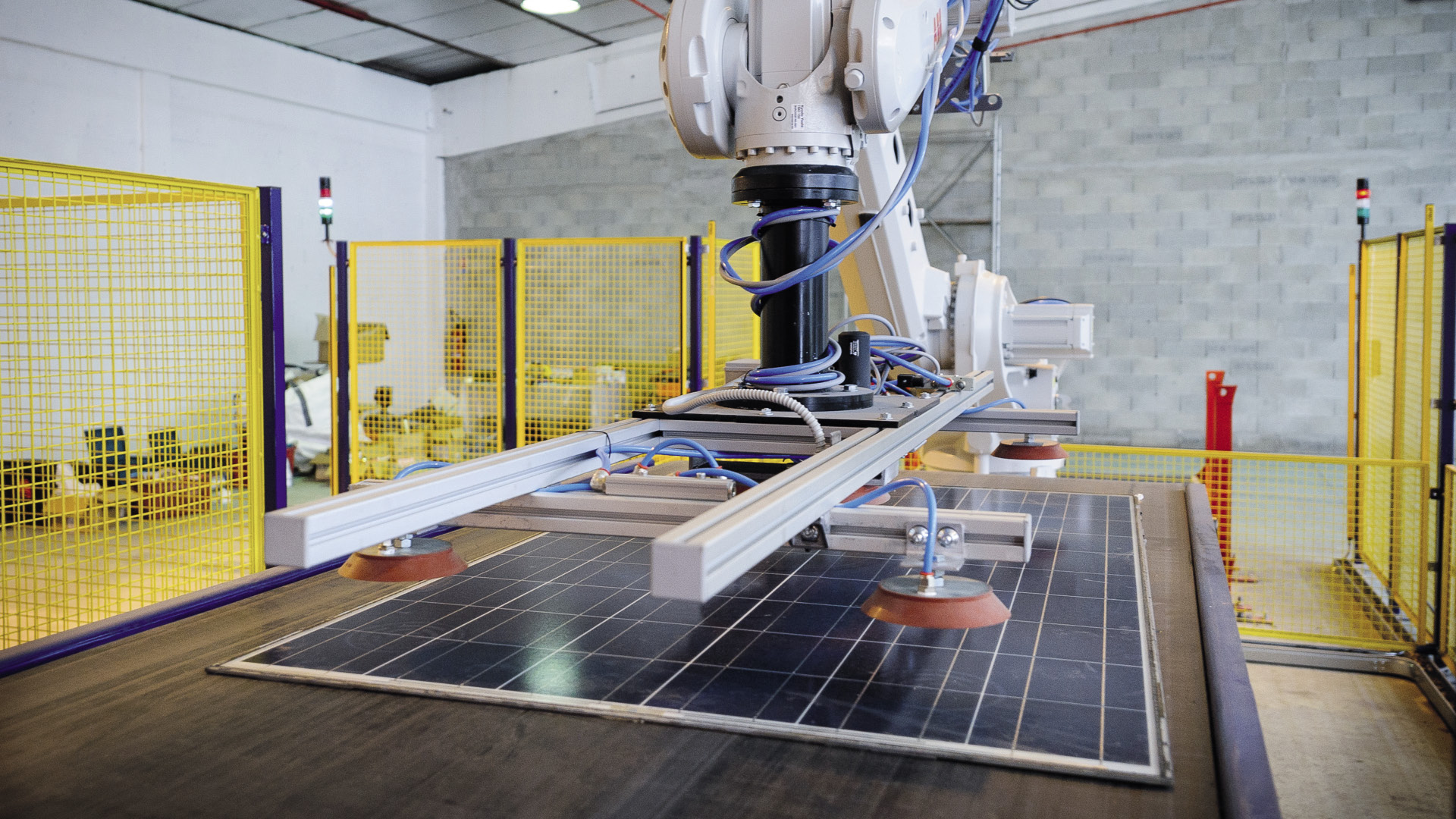
Slowly but surely, environmental concerns are making their way into mainstream thought throughout the PV industry. A look at recycling offers an example of this, with stakeholders trying to get ahead of the high volumes of end-of-life modules already on the horizon. pv magazine examines the technologies that will be needed, alongside policy and economic support, to keep the bulk of these modules out of landfill and ultimately to establish a circular economy for PV materials.
Oct 12, 2020

Limited risk of PV for landfill
While it’s far from ideal to have solar modules dumped in a landfill, in much of the world today, it’s a likely outcome. The silver lining to this dark cloud is that research published this year indicates that PV modules likely pose limited risks to human health, even using the most conservative assumptions. Garvin Heath, a senior scientist with the National Renewable Energy Laboratory (NREL) coordinated the study in his role as the Operating Agent of the International Energy Agency’s Technology Collaboration Programme on PV Power Systems (PVPS), Task 12 – Sustainability.
Oct 12, 2020
Pioneering perovskite PV
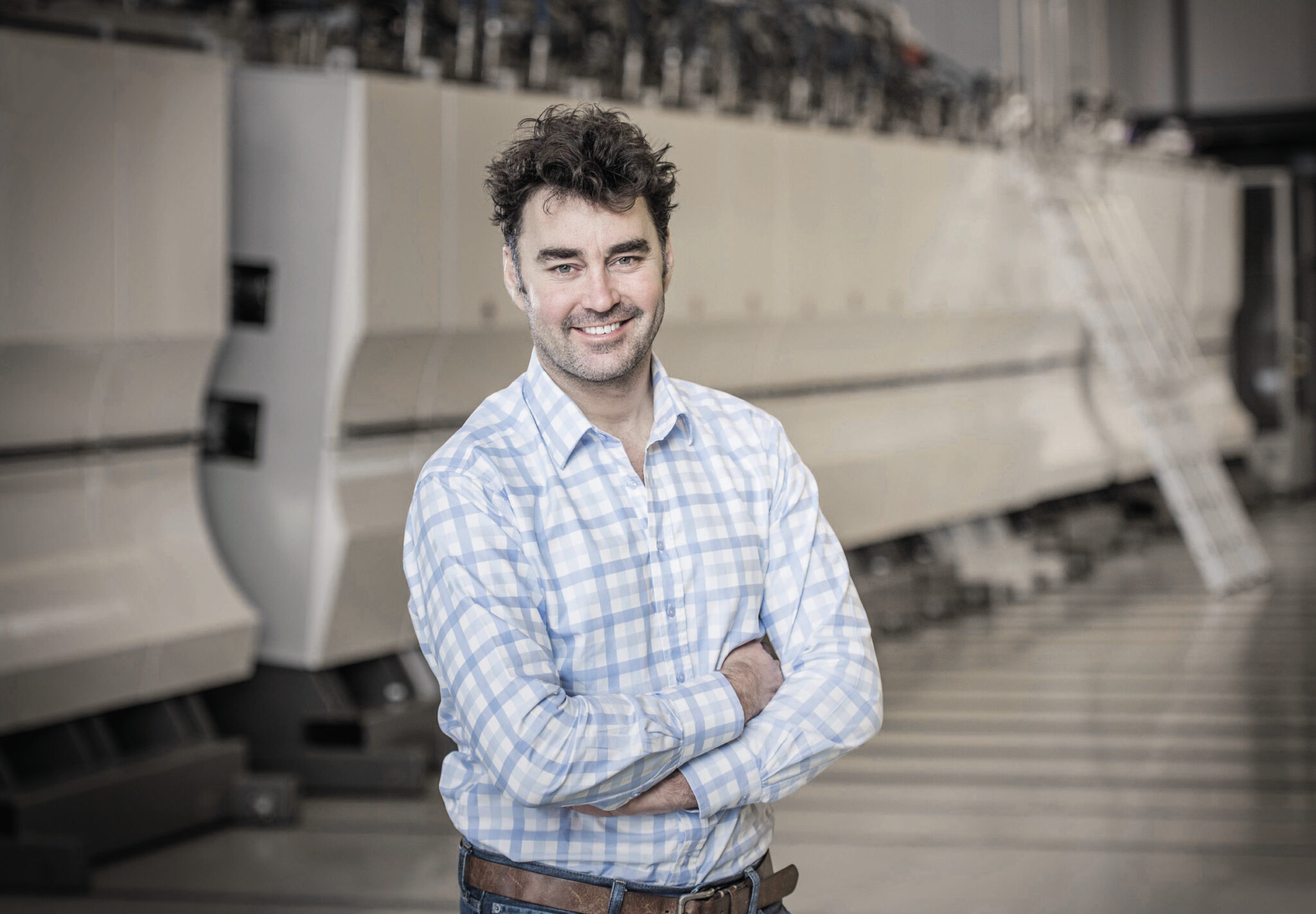
At last month’s virtual EU PVSEC conference, Henry Snaith – a professor of physics at Oxford University – won the Becquerel Prize for his pioneering work on perovskite solar cells. As chief scientific officer at Oxford PV, Snaith is involved in planning the commercial launch of a perovskite-on-silicon tandem module for the middle of next year. pv magazine recently caught up with Snaith to discuss his prize-winning work and the current state-of-the-art in perovskite PV and tandem cells.
Oct 12, 2020

The ground beneath
A number of drivers are highlighting the importance of vegetation management in utility-scale solar projects, from coupling with agriculture to the significance of pollinators, as well as the related permitting and O&M benefits. Tom Karas of Minnesota Native Landscapes sets out why awareness of comprehensive vegetation management is of growing importance in the solar sector.
Oct 12, 2020

Bulking up for bigger tracking challenges
Bigger modules and more challenging conditions are leading tracker designers to strengthen their offerings to deliver the stability required for long-term operation. Eduardo de San Nicolás, Soltec’s chief strategy officer, says that the Spanish company’s efforts have resulted in a new generation of trackers fit for almost any wind conditions – along with a host of other benefits including advanced communications and optimized bifacial yield.
Oct 12, 2020

Reaching for the rooftops
The solar industry is evolutionary, with costs and system efficiencies continually improving. Innovations like single axis trackers, storage, autonomous systems, bifacial modules, half-cut cells, reduced degradation, and multi MPPT inverters are helping to boost performance. Creative project owners and developers, meanwhile, continue to implement new ideas to maximize returns. This makes working as a technical solar PV consultant a fascinating prospect. With this in mind, Mathieu Labour, a partner at Everoze, reports about an exciting way to retrofit operational solar rooftop projects that was recently discovered in France.
Oct 12, 2020
Vietnam’s most ambitious array
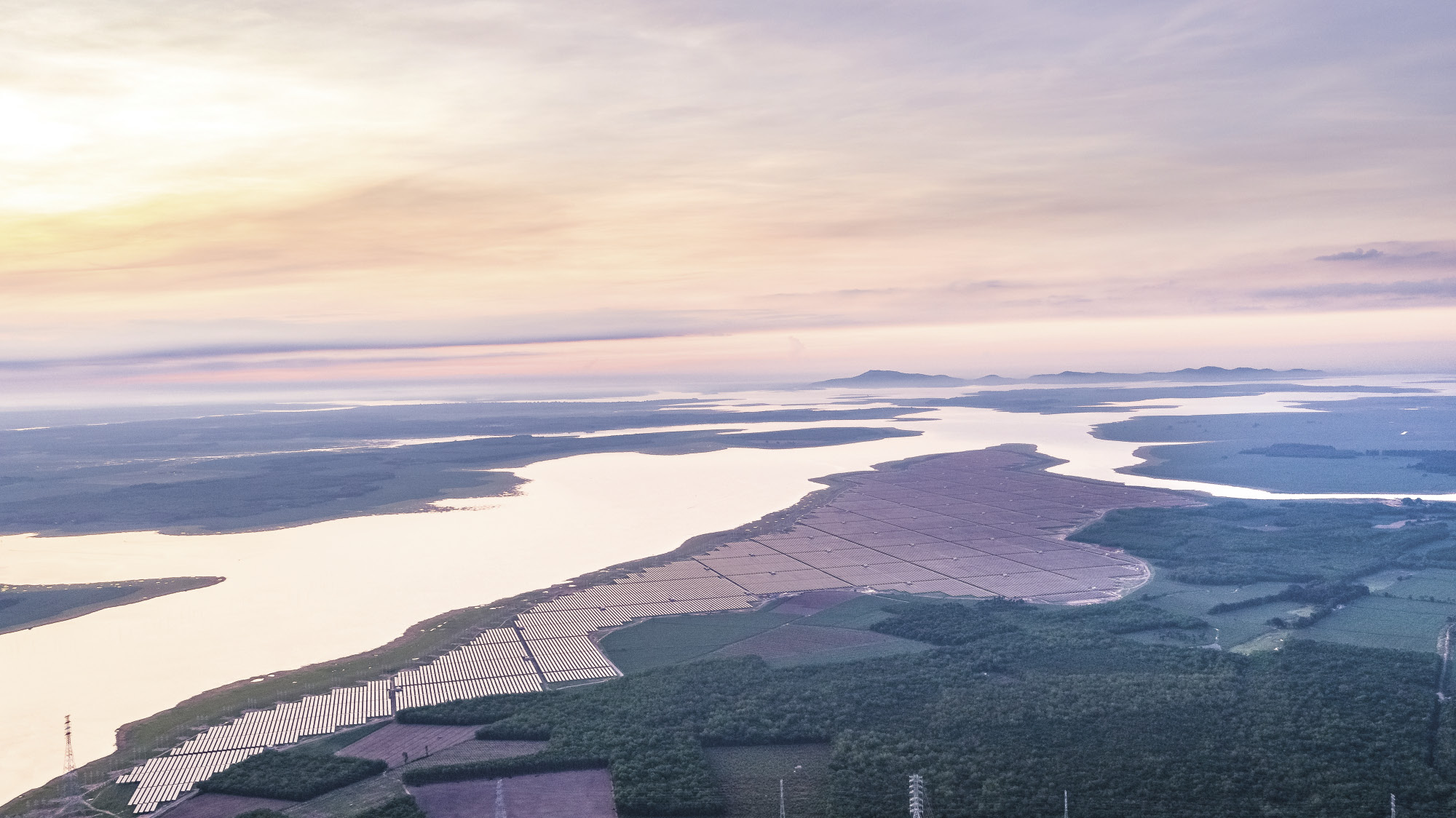
Could a single installation define a brief but explosive period of ambitious PV deployment? The massive 500 MW Dau Tieng solar array – among Southeast Asia’s largest PV installations – makes a strong case for being the most impressive project of Vietnam’s recent solar boom. But the allure of Dau Tieng is about much more than size – it’s about what’s beneath the PV modules.
Oct 12, 2020

The plan to REZurrect Australia’s large-scale segment
Investment in large-scale solar appears to be faltering in Australia. The technology with the lowest cost, with no emissions and the fastest time to delivery, has often found itself dangling at the oversubscribed end of a limp transmission line, with additional, expensive requirements to connect, or earnings-slashing curtailments when operational. Investors have found no reassurance in the federal government’s winking at coal, courting of gas, and undermining of agencies established to support innovation and investment in renewables. In short, the Australian prime minister is showing a complete lack of urgency to act on climate change. Enter the Renewable Energy Zone.
Oct 12, 2020

Eyes in the sky
High-resolution satellite imagery has helped to identify most kinds of electricity infrastructure, including small-scale solar systems. Once the infrastructure has been identified, researchers can extract a range of insights, such as energy production estimates that allow for more efficient grid management, more accurate insurance assessments, and better targeting of potential customers.
Oct 12, 2020

Virtual Roundtables USA
While solar trade shows around the world have been canceled in 2020 due to the global pandemic, pv magazine is bringing the informative content, discussions, and networking opportunities directly into your living room – no long walks through hall floors required. Join our editorial staff and a range of industry experts on Nov. 17, 2020, to gain insights and knowledge on the subjects that matter most in today’s thriving U.S. solar+storage market.
Oct 12, 2020

Singapore solar walks the talk
Earlier this year, Singapore surpassed its 2020 target for 350 MW of installed PV, and has set itself a more ambitious goal of 2 GW for the coming decade. pv magazine recently spoke with Thomas Reindl, deputy CEO of the Solar Energy Research Institute of Singapore (SERIS) – and also the lead author of a 2020 update to the institute’s PV Roadmap for Singapore report – to catch up on the latest developments in the city-state’s PV market.
Oct 12, 2020
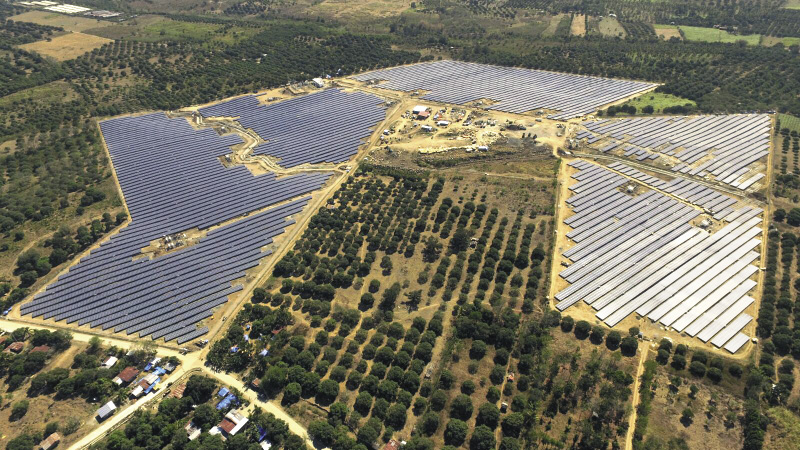
ASEAN’s looming renewables revolution
Southeast Asia, when taken as a whole, is a global laggard in the uptake of renewable energy, but some countries are leading the way, such as Vietnam, the Philippines, and Myanmar. And as ‘Angry Clean Energy Guy’ Assaad W. Razzouk argues, policymakers in the region cannot hold back the tide of solar and wind for much longer.
Oct 12, 2020

Power play under way Down Under
Economics and common sense have to win out over a climate-denying, pro-fossil fuel government, says John Grimes, the chief executive of Australia’s Smart Energy Council. And in the absence of renewable energy targets, he argues that the power of the people seems to be leading the way.
Oct 12, 2020

Constraints loom for booming Aussie rooftops
Within this decade, the capacity of solar systems on rooftops in Australia will likely exceed the generating capacity of coal. It is now evident that solar in conjunction with other customer-side technologies of batteries and demand management will become the dominant factor in the evolution of Australia’s energy system, writes Tristan Edis, the director of analysis for Green Energy Markets. He adds one caveat, however: For this to occur, batteries must become cost competitive.
Oct 12, 2020
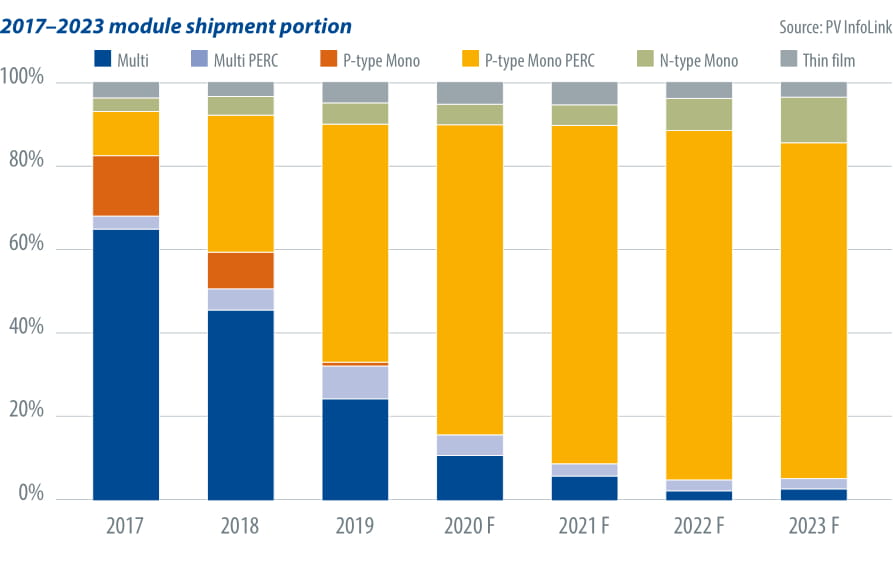
N-type market growth
Several manufacturers recently brought average mono PERC cell efficiency to 22.5%, and efficiencies will likely go beyond 22.6% in the second half of this year. This suggests that p-PERC cell efficiency could be brought closer to that of n-type, making it more difficult for n-type cells to compete in the increasingly challenging market. Taking costs and market conditions into account, most manufacturers have slowed their capacity expansion plans, leading to a gap between actual output and production capacity. PV InfoLink’s Wells Wang sheds some light on n-type trends in 2020.
Oct 12, 2020
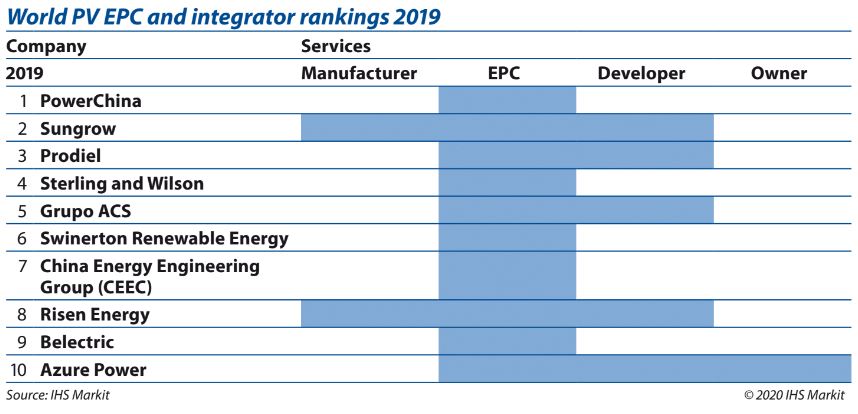
Reshuffle at the top, as new markets arise
A new wave of consolidation and some reshuffling is underway among market leaders in the solar EPC space, writes IHS Markit’s Josefin Berg. In 2019, the 30 largest EPC providers globally installed 28 GW of non-residential PV, representing 26% of the total market. This increase from 21% in 2018 stems mainly from a growing concentration in the Chinese PV market, as well as integrator concentration in rapidly growing markets like Spain and Vietnam.
Oct 12, 2020
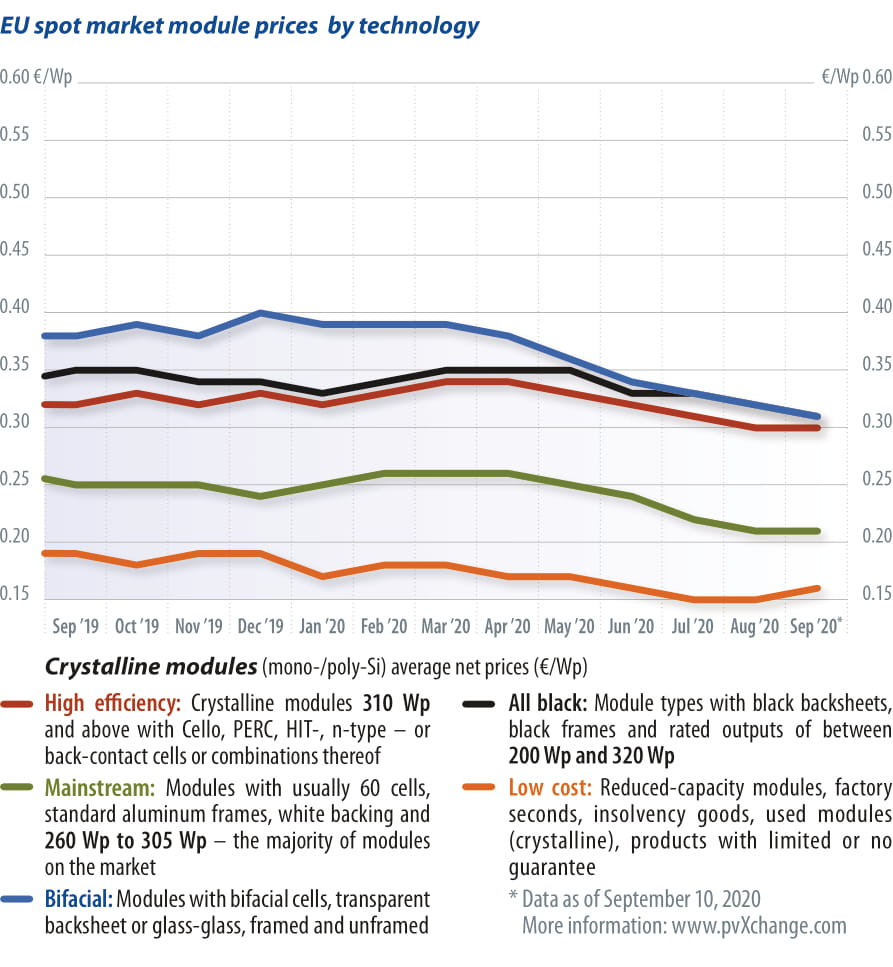
EEG 2021: The destruction of renewables
The potential consequences of the unambitious draft Renewable Energies Act (EEG), a bill that was recently proposed by the German federal government, are particularly dire, writes Martin Schachinger of pvXchange. The bill must be met with loud protests to avoid jeopardizing the development urgently needed to attain the country’s modest climate targets. Otherwise, Germany will face the threat of universally dreaded electricity shortages over the coming decade, as well as other completely different catastrophes that will make the current Covid-19 crisis look like a walk in the park.
Oct 12, 2020


The time for ASEAN
The term “game changer” is vastly overused. But a carbon-neutral China by 2060 must fit the bill as truly changing the global climate change game. China’s leader, Xi Jinping, made the announcement last month, and it will require a considerable acceleration of solar, wind and other zero-emissions technology.
Oct 12, 2020

