Connected to technology – 05-2020

Already a subscriber?
Login
Excerpt from the magazine


pv magazine Events 2020
The list of solar industry events canceled as a result of Covid-19 containment measures continues to grow. Many events have been canceled or postponed, reducing the opportunities for knowledge exchange, community building, and networking, but also for introducing new products or collaborations to a live audience and to generate new leads. But don’t fret, pv magazine is adopting new formats and will continue to push the boundaries with new digital event platforms.
May 25, 2020
R&D update
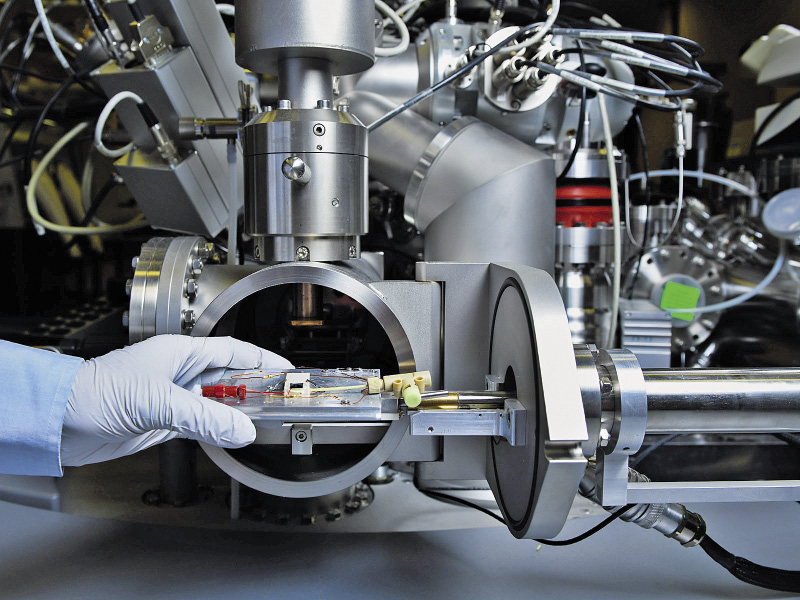
New path for perovskites Even as solar researchers demonstrate ever more efficient and reliable perovskite devices, the debate continues about the molecular properties of perovskites and the chemical explanation of why the structure lends itself so well to new solar cell applications. Scientists at Ames Laboratory in the United States studied methylammonium lead iodide (CH3NH3PbI3) […]
May 25, 2020

Sustainable finance: reassessing risk, purpose
The global Covid-19 crisis has had a tumultuous impact on the global economy. It has brought investment risk and purpose into sharp focus, while also bolstering sustainable finance. But what does it mean for solar? Felicia Jackson reports from London on the evolving investment landscape, with climate and social impacts becoming more prominent in financial decision making.
May 25, 2020
Subscribe now for instant access to this issue and every published issue since 2016.
Subscribe

New fuels, new powers
The energy transition will change the geopolitical landscape, which has hitherto observed closely who controls the production and trade of hydrocarbons. The current ambition to find alternative sources of power has given impetus to a growing academic community to determine the probable geopolitical outcome of the energy transition. Renewables do not mutually share most of the unique features of fossil fuels, which translate into power political effects. So how should we understand the world of tomorrow?
May 25, 2020

Lockdown changes power consumption
We live in an era of unprecedented social, cultural and economic change. But energy consumers are increasingly optimizing their electricity usage by using renewables and relying on smart solutions, writes Abhishek Sampat, principal analyst for Delta EE.
May 25, 2020

Cheaper, safer EV batteries to bolster grid
Electric vehicles can transition from liabilities to assets if steps are taken by battery manufacturers, the auto industry, and policymakers, argues Milan Rosina, a principal analyst in the power electronics and batteries division of Yole Développement.
May 25, 2020

pv magazine test – March 2020 results
We are pleased to present the next batch of energy yield results from the outdoor test field at Xi’an, China. In this issue, we outline the results from March 2020, alongside additional analysis from George Touloupas, director of technology and quality at CEA.
May 25, 2020

pv magazine Award
Glass-glass without the edge Teknisolar Robostak Laminator Italian supplier Teknisolar introduces its new laminator, with which it aims to bring down the cost of ownership without compromising on quality. The equipment manufacturer states that its new design eliminates the ‘edge pinch’ stage entirely, which means no encapsulant outflow or belt cleaning is required. The design […]
May 25, 2020
Tile for more cells
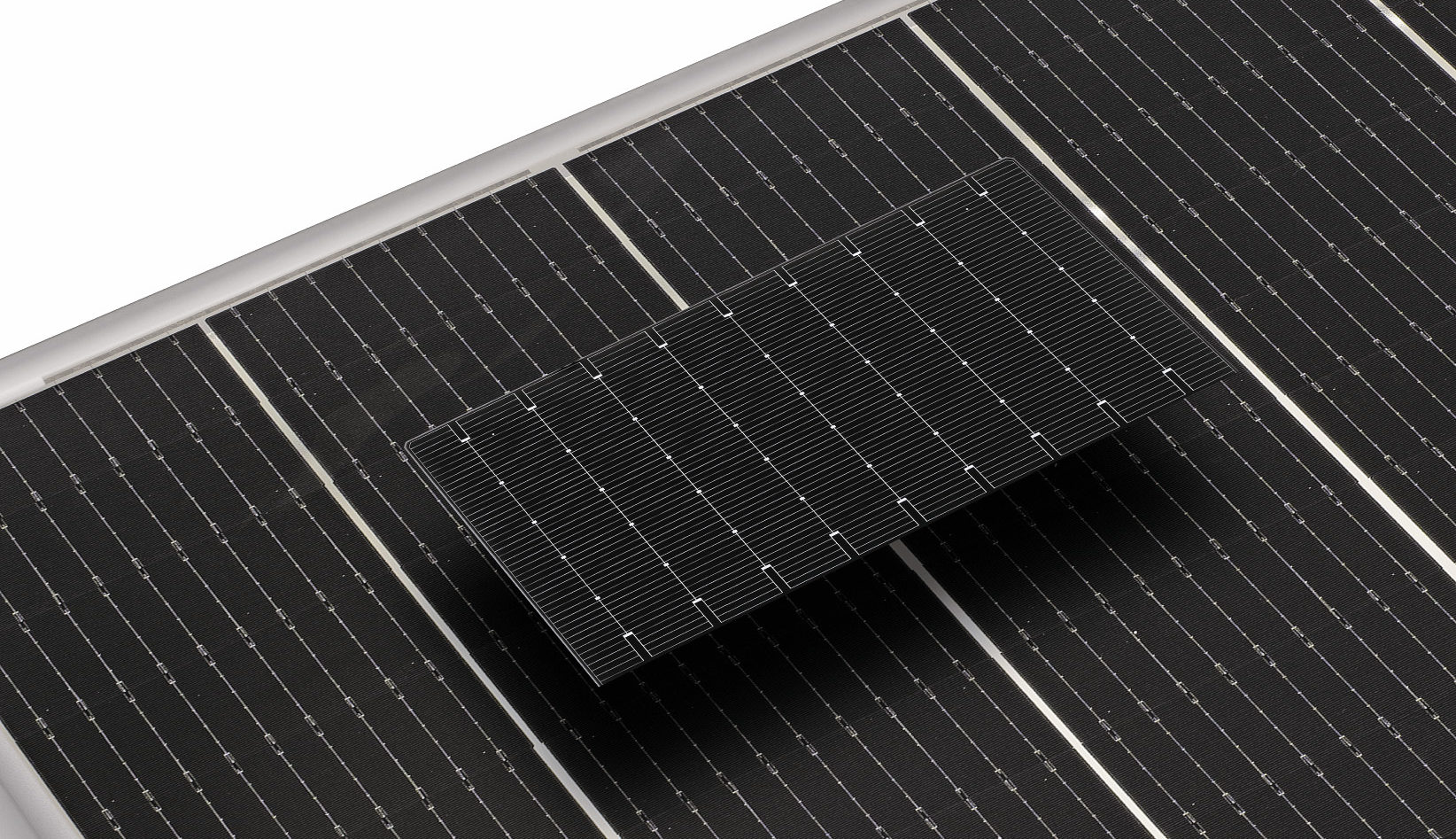
Panels featuring tiling could be one of the most innovative module-level technologies to enter into commercial-scale production in 2020. The premise is simple: Squeeze more half-cut cells into the module for an efficiency and power output boost. But it’s not entirely straightforward, and similar approaches such as shingling have a significant head start.
May 25, 2020
TCO for passivated contacts
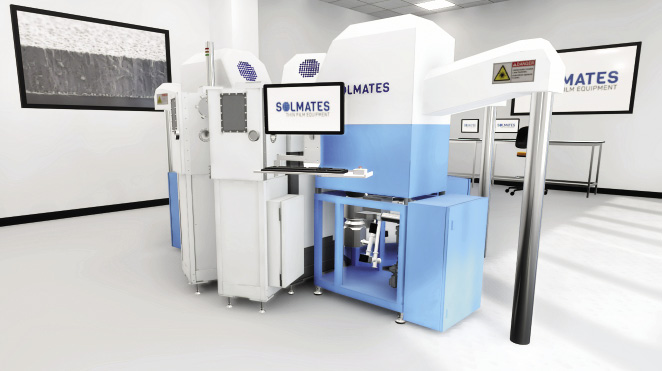
Transparent conductive oxide layers are commonly used in some forms of thin-film PV manufacturing, and in flat panel production. A new project, funded by Solar-Era.Net, is investigating its use in passivated contact crystalline silicon solar cell production. Lennart de Vreede and Thomas Aukes Solmates, a pulsed laser deposition equipment developer located in the Netherlands, outline the project.
May 25, 2020

Perovskites continue to clear hurdles
As laboratory world records attest, perovskite PV continues to develop at pace, and Helmholtz-Zentrum Berlin (HZB) is responsible for many such records. Rutger Schlatmann, head of the renewable division at HZB, sets out how, beyond efficiency, a number of key obstacles to commercialization are being steadily overcome.
May 25, 2020

‘There will be no slowdown in capacity expansions’
Innovations in the solar industry often have a trickle-down effect. Suppliers need the ability to adapt quickly to new developments elsewhere in the market and ensure that they can move with the times. Nowhere is this more apparent than in the flashing equipment space, where in the last few years alone, bifacial and new wafer formats have quickly changed the shape of inline testing. pv magazine recently caught up with Stefan Schubert, project manager at German flasher supplier h.a.l.m. Elektronik GmbH, to discuss the latest developments in this space.
May 25, 2020
Criteria and implications for gallium-doping
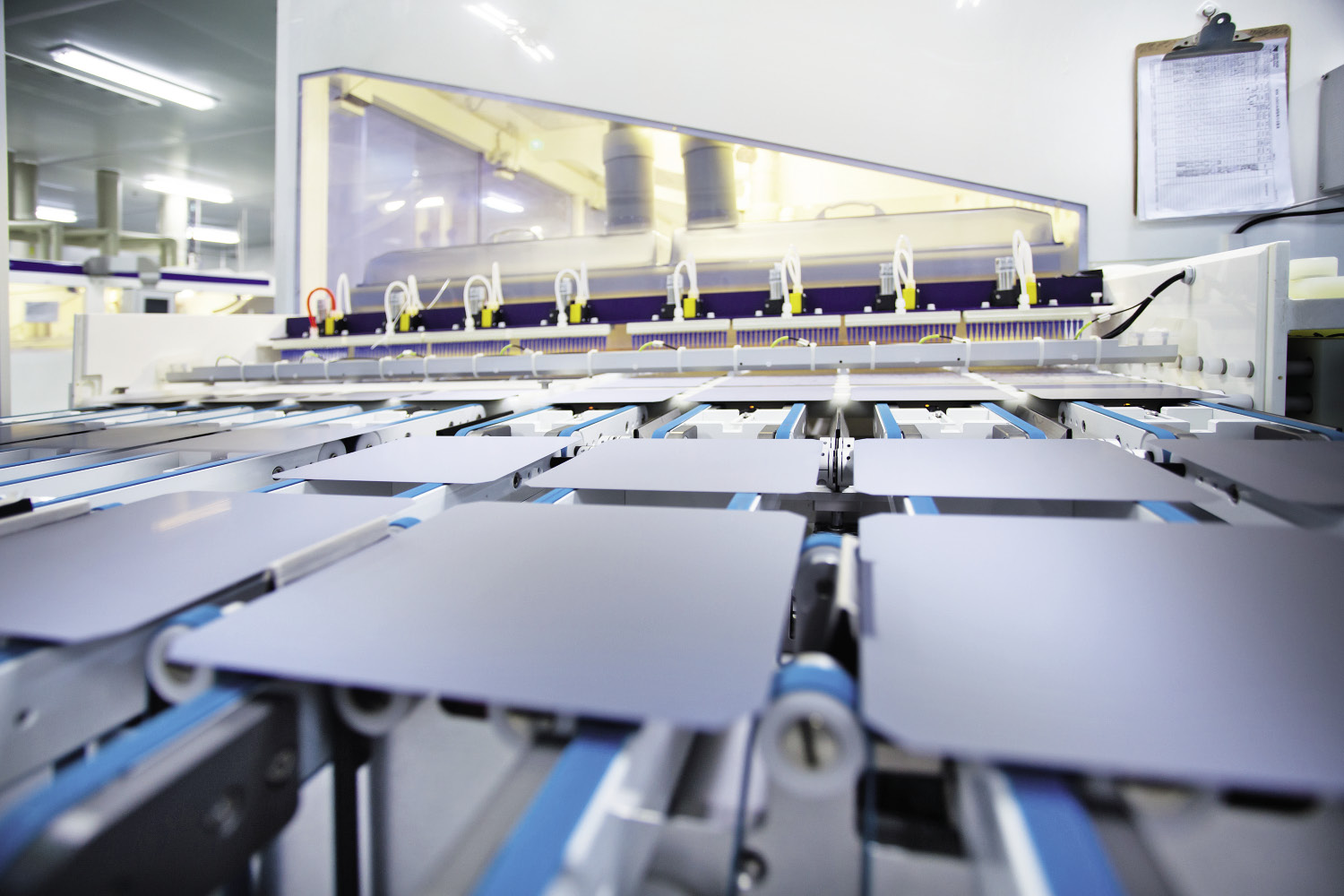
As a remedy for light-induced degradation (LID) in crystalline silicon cells, gallium-doped wafers are showing considerable promise. With reports that ingot growth productivity can rival that of boron doping, it seems that gallium doping may now be able to meet the cost, integration and performance criteria that have informed solar manufacturing technology adoption, writes Alex Barrows, senior research analyst at U.K.-based consultancy Exawatt.
May 25, 2020
Gallium in the fight against LID
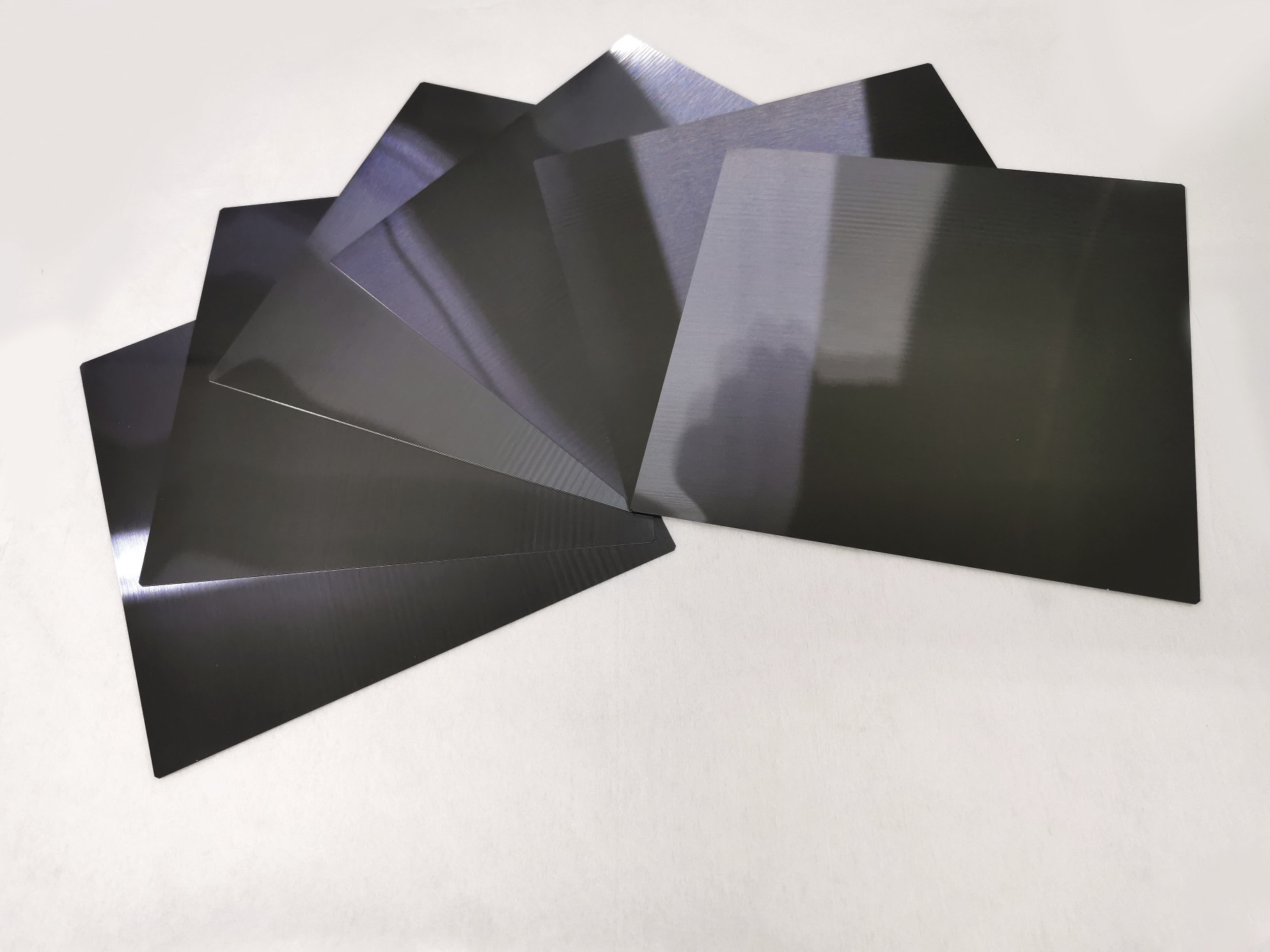
From the acquisition of IP to commercialization, the PV industry has witnessed a rapid rise of gallium-doped silicon. Researchers are testing the resulting cells’ stability while industry has begun the manufacturing phase. All this leads to a key question: Will gallium doped silicon solar modules will be the next big thing?
May 25, 2020

Solar resiliency, still a tough year
There is nothing like a crisis to make a forecaster’s job both vitally important and impossibly difficult. But as the worst shock of the Covid-19 pandemic begins to pass, a sense of the impact on the solar sector is becoming clear. pv magazine recently spoke to Jenny Chase, the head of solar analysis at BloombergNEF, on the implications for PV of these unprecedented days.
May 25, 2020

New energy ecosystem, cost down, utility-scale
SolarEdge has faced a difficult 12 months, with the untimely passing of its highly respected CEO Guy Sella in 2019, ongoing IP disputes, and the Covid-19 crisis impacting production. Lior Handelsman, the VP of marketing and product strategy and the founder of SolarEdge, says that despite these challenges, the company’s work continues, and Sella’s name lives on.
May 25, 2020

The sea is the limit
Two new test facilities are looking to expand PV’s reach beyond the constraints of land and toward the open ocean. And if the steep learning curve from freshwater floating PV installations is anything to go by, the data produced at the test beds will prove invaluable.
May 25, 2020
Rooftop downturn looms with lockdowns
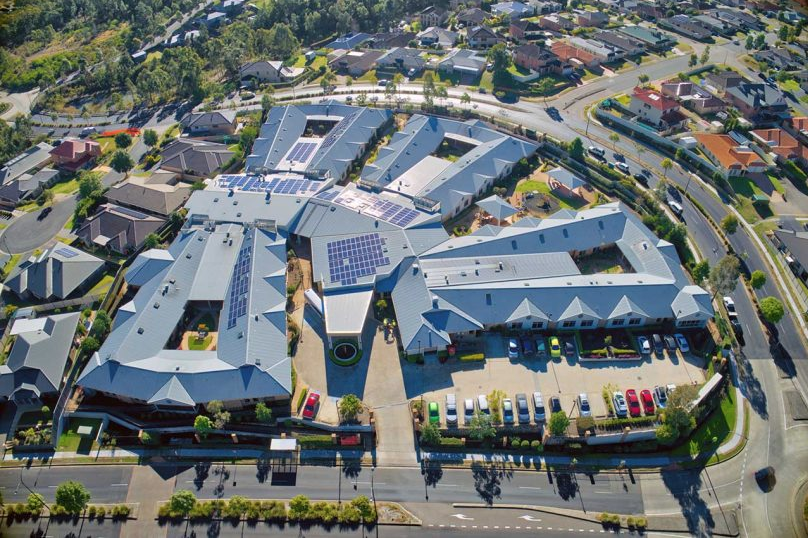
With its large and mature small-scale rooftop solar segment, market observers watched Australia closely for the impact of Covid-19 lockdowns in March and April. Early sentiment, evident in a pv magazine Australia and Green Energy Markets survey does not bode well – however installation data indicate that a downturn in installation volume has yet to materialize.
May 25, 2020
A SEA of opportunity for Australian rooftop solar expertise
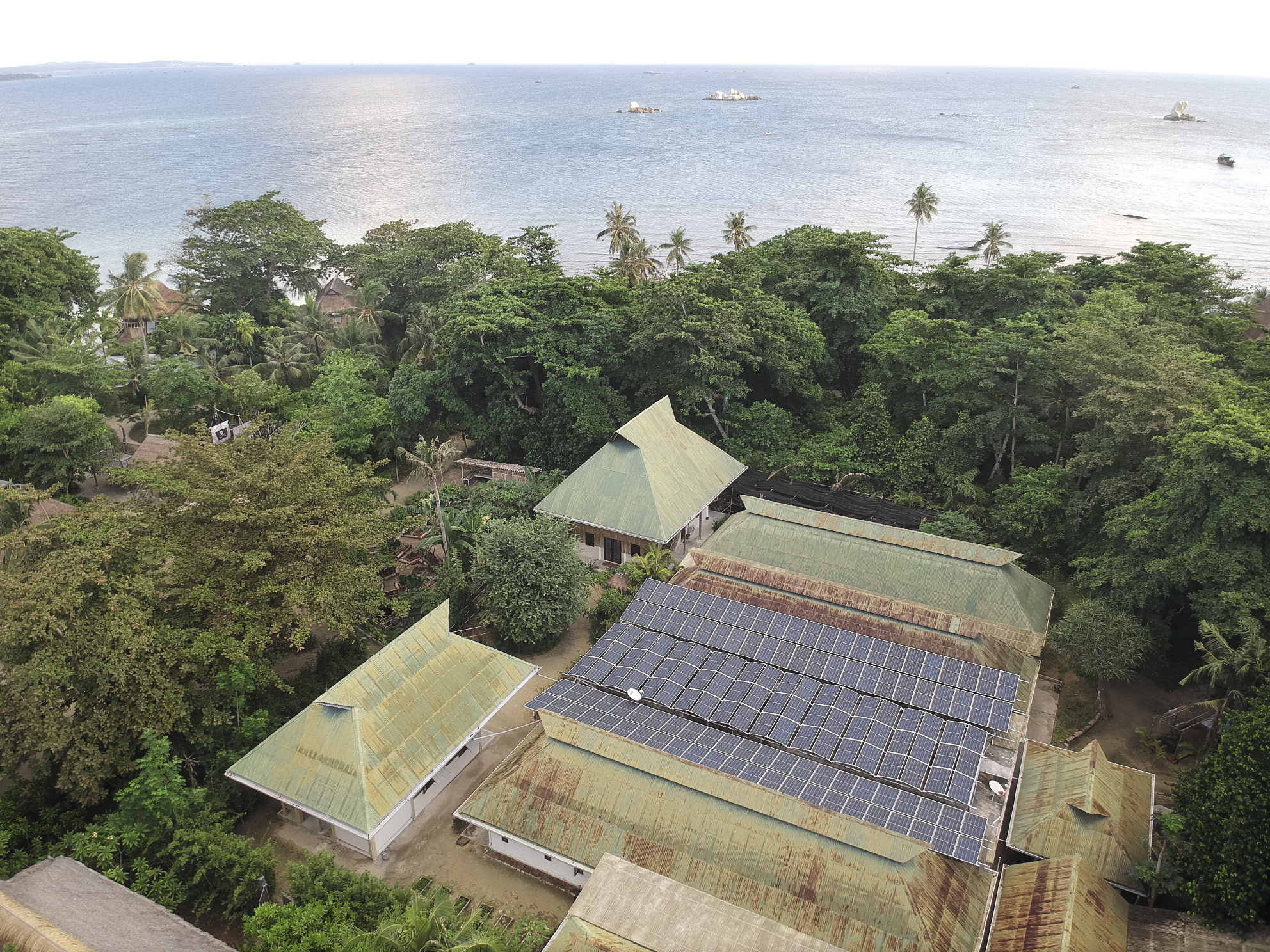
Southeast Asia’s 658 million people are clamoring for access to electricity and cooling air-conditioning in the face of global warming. New coal generation is on the horizon, but can Australian solar expertise partner with local know-how to engineer a clean-energy coup?
May 25, 2020
Stable at the top table
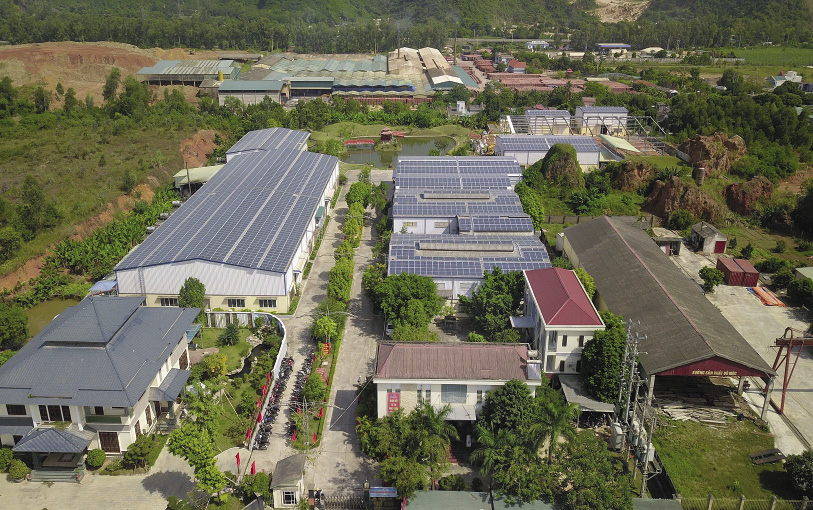
The surge of new solar installations in Vietnam last year saw the nation soar to the top ranks of PV-focused countries. But rather than shining brightly and then fading away, the Southeast Asian nation could be here to stay as a serious solar heavyweight, writes Q Cells’ Ian Clover.
May 25, 2020

Falling China forecasts could spell consolidation
Among Covid-19-related project delays, regional government restrictions and the ongoing transition toward a post-FIT regime for PV, the Chinese market looks set for further contraction in 2020. Frank Haugwitz from Asia Europe Clean Energy (Solar) Advisory (AECEA) says that this and other factors could drive consolidation in manufacturing.
May 25, 2020

2020: the first year for the PV sector to record a decline
In the wake of Covid-19, IHS Markit lowered its solar forecast from 142 GW to 104 GW. Compared to the 125 GW of solar capacity installed in 2019, the forecast would mean a turnaround from 13.6% annual growth to a 15% contraction. The IHS Markit forecast is based on Covid-19 being controlled and market restrictions being gradually lifted in the second and third quarters of the year.
May 25, 2020


N-type uptake under Covid-19
As p-type mono cell efficiencies edge closer to their limits, n-type cells are increasingly being recognized as next-generation technologies, writes PV InfoLink analyst Amy Fang. Manufacturers have focused their research and development efforts in recent years on the creation of commercially viable pathways for heterojunction (HJT) and tunnel-oxidized passivated contact (TOPCon) cells.
May 25, 2020
Asian buoyancy floats solar
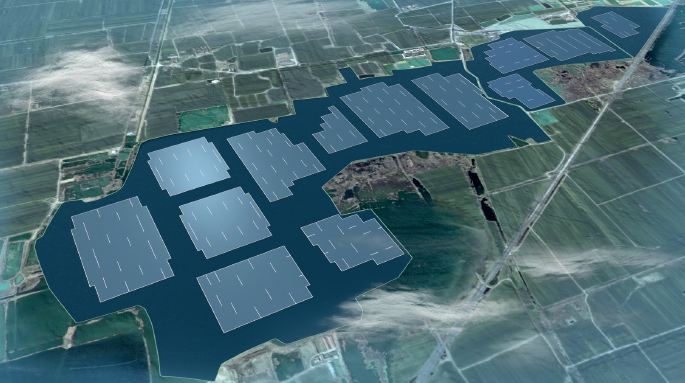
Global floating PV installations are set to jump by 143% from 2019 to hit more than 900 MW of annual capacity additions this year, according to IHS Markit’s Floating PV Report – 2020. Growth has been driven in recent years by a surge in the number of floating PV systems installed in countries such as China, South Korea, Japan, and the Netherlands, with total global installed capacity reaching about 1.5 GW at the end of 2019. IHS Markit Research Manager Cormac Gilligan and Senior Analyst Chris Beadle examine how these countries have taken the lead, with developers building large quantities of floating PV, while also installing pilots to better understand the technology and test its capabilities and cost-effectiveness.
May 25, 2020
The post-EEG age might come sooner than expected
For years, many in the renewable energy sector has been thinking about what to do with installations in Germany once they drop out of the government’s feed-in-tariff scheme after the 20-year operating period has expired. Of course, the aim is to avoid a situation in which many plants that are well maintained and still in good working order are gradually disconnected from the grid. With a view to a rapid switch to 100% renewable power and reaching the government’s self-imposed climate targets, this capacity must not be lost – and this is something the government also needs to hear.
May 25, 2020


Unprecedented development
The return to normal has begun – albeit slowly, cautiously and with limited expectations. As what we are being assured is the first wave of the Covid-19 crisis begins to recede in certain parts of the world, many are returning to the free fields, rooftops and homes that make up the workplace of the solar industry.
May 25, 2020

