Going big on batteries – 08-2020

Already a subscriber?
Login
Excerpt from the magazine


Climate data to the people
It’s a fake news story that has long circulated in the energy space: Solar and wind often have a higher overall carbon footprint than the conventional sources they are supposed to replace. But a quick look at widely available evidence is more than enough to debunk this, writes Rocky Mountain Institute’s Paolo Natali. Whichever study you turn to, the results are in the few dozen grams per kWh at most, compared to 400g/kWh to 500g/kWh for natural gas, and 1kg/kWh for coal. Information on carbon footprints that can be compared between industries is hard to come by, but it is increasingly important to investors. Universal standards could provide a first step toward the creation of truly green commodity markets.
Aug 03, 2020


Long-duration storage advances, but regulators need more time
Lithium-ion batteries can do a great job of load shifting to balance solar’s midday peak, while also providing other stability services to the grid. But when it comes to really balancing an energy system that’s led by intermittent renewables, energy storage for longer durations can give system operators a lot more to work with. pv magazine takes a look at some of the technologies promising to fill this gap.
Aug 03, 2020
Subscribe now for instant access to this issue and every published issue since 2016.
Subscribe

Coming around
Given the number of batteries (primarily lithium-ion) that are required to decarbonize the power and mobility sectors, the industry is now preparing for a mountain of battery waste. Recycling is technically feasible, but is also subject to sensitive economics. The framework in which recycling companies can achieve the best life-cycle costs for batteries needs to be carefully enabled through policy – and it will likely include a mixture of technologies and business models, in order to allow life-cycle emissions of batteries to be brought down.
Aug 03, 2020

‘The focus here is always on quality’
Germany-based Pfeiffer Vacuum, which supplies vacuum pumps and other related technologies to a range of different industries, is celebrating 130 years in business in 2020. pv magazine recently caught up with Rudolf Konwitschny of the company’s leak detection application team to discuss the role of vacuum technology in Li-ion battery production.
Aug 03, 2020

A highly promising cobalt-free battery for electric vehicles
We increasingly need safe, affordable, and powerful batteries as we move to greener technologies. Battery-powered electric cars, for example, have much higher safety standards than our phones, and for such vehicles to travel long distances, lighter batteries with higher energy density and rapid-charging capabilities would make a world of difference. Majid Rasool, a postdoctoral fellow at McGill University, discusses a potential solution.
Aug 03, 2020
The state of solid-state batteries
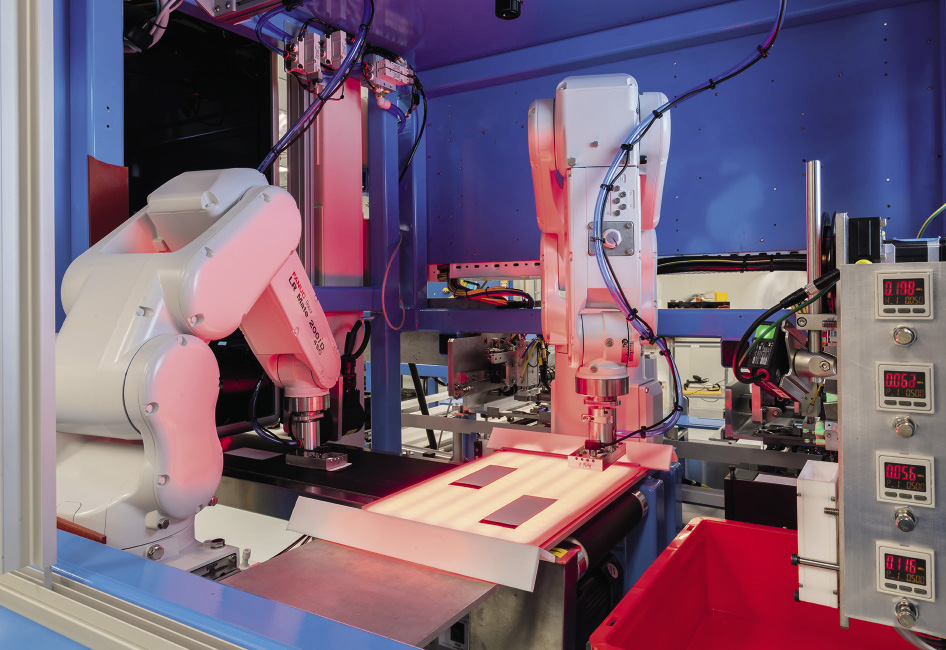
Solid-state batteries hold the potential to overcome many of the limitations of today’s lithium-ion storage technologies. Though they have been a research topic for more than 30 years, and more recently have seen billions of dollars poured into their development by leading carmakers and electronics giants, commercial development is still extremely limited. Major roadblocks remain in the way of both device performance and industrial-scale processing. pv magazine recently caught up with solid-state’s research community for a look at where the technology stands.
Aug 03, 2020
Recognizing Europe’s battery innovators in 2020
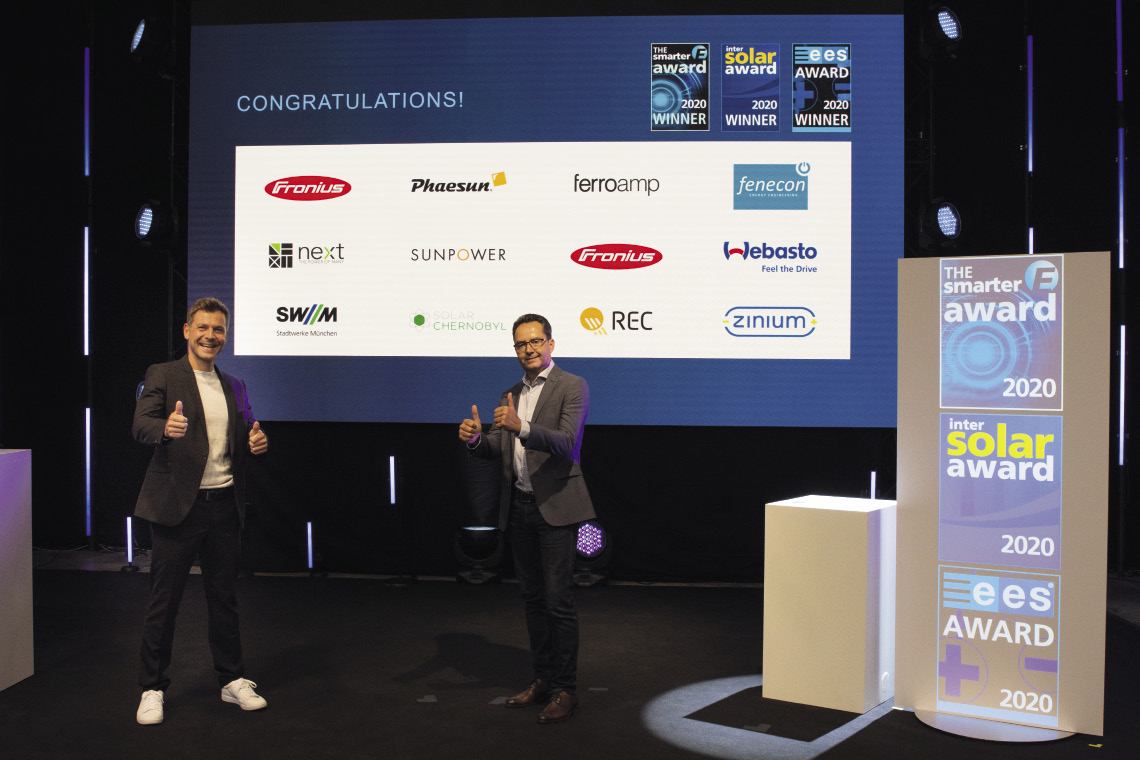
At the end of June, The smarter E recognized innovators from across the energy space in its annual awards, including the ees Award for energy storage. Held as a virtual ceremony for the first time this year, the award jury singled out a plug-and-play solution for second-life EV batteries, a cost-optimized battery for commercial vehicles, and an innovative battery that is built from abundant materials and literally runs on thin air, as worthy of a spot on the big stage. pv magazine takes a closer look at the 2020 ees Award winners.
Aug 03, 2020

Storage … ready?
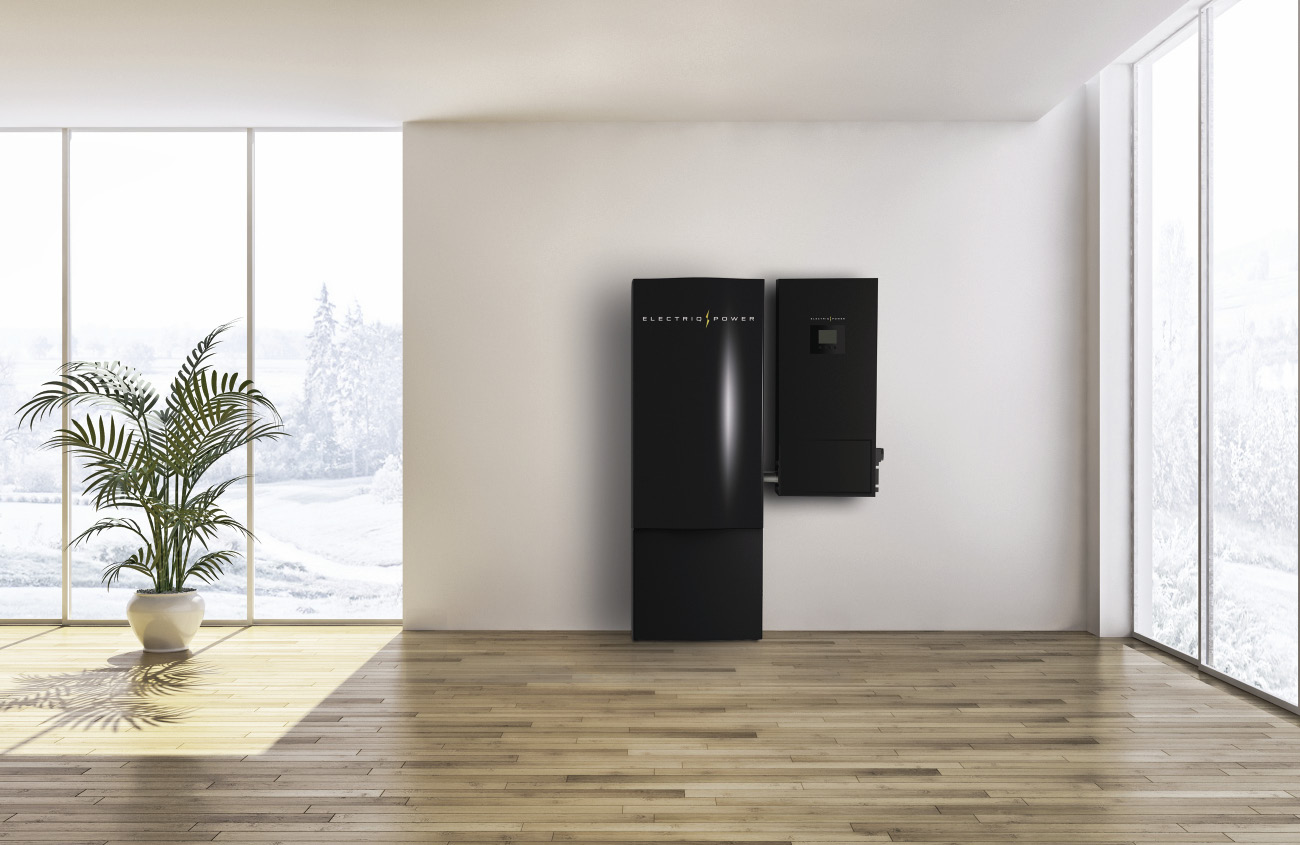
The story of residential rooftop solar is one of liberation. Confronted with high module prices, early PV adopters experienced significantly longer payback periods – it was not unheard of for homeowners to be making monthly finance payments higher than their utility bills. But consumers were motivated, seeking independence from the stranglehold that electricity providers had on them with ever-increasing utility rates.
Aug 03, 2020
Independently evaluating battery quality
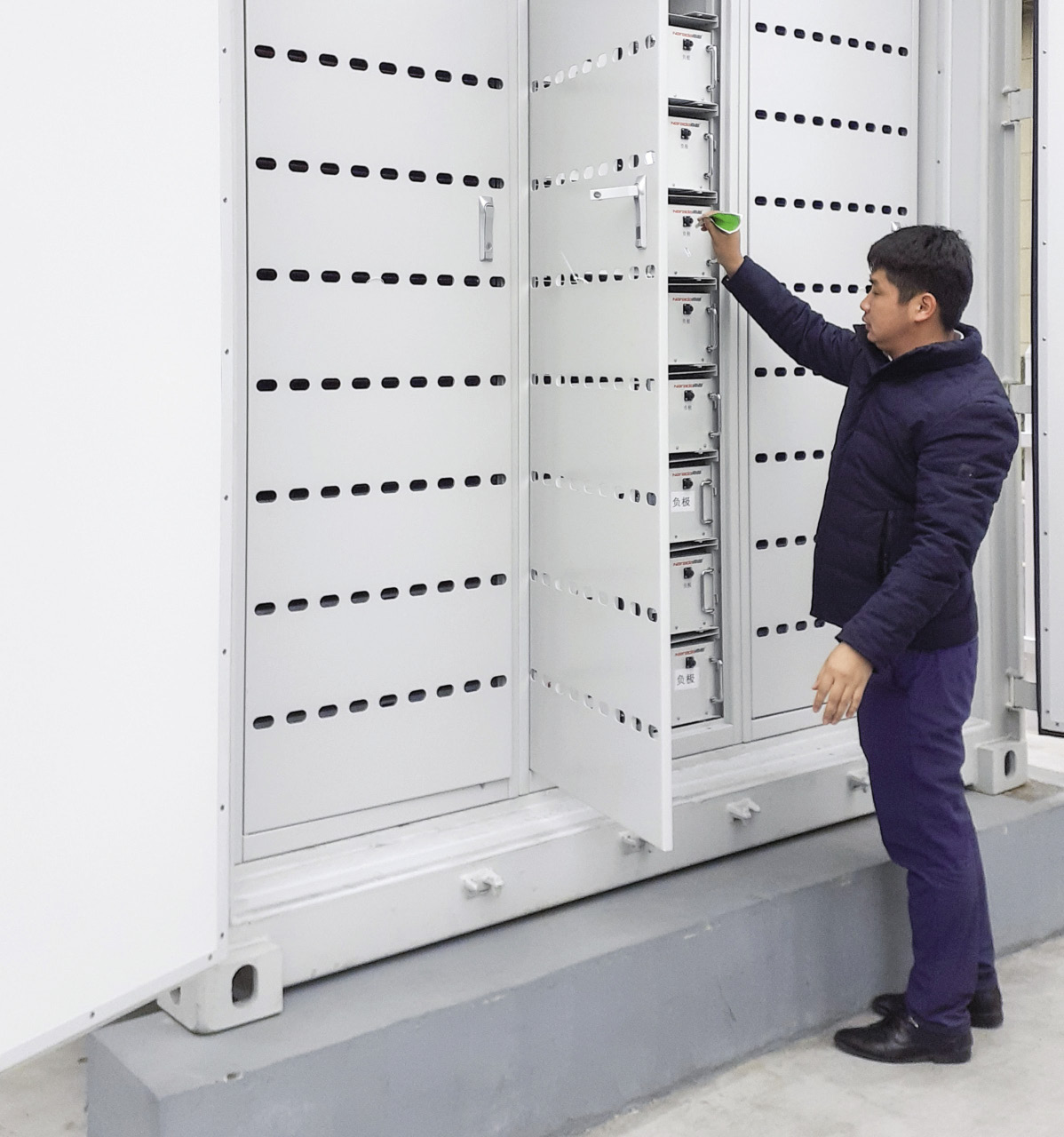
Companies investing in battery energy storage have historically relied on trust in the major brands supplying the batteries and complete systems. However, with the absence of international manufacturing quality standards, increasing price pressure on major brands, and the proliferation of low-cost manufacturers, buyers and investors are being forced to address quality risks with batteries. Ian Gregory and Benjamin Sternkopf of PI Berlin discuss the need for independent quality assessment in energy storage.
Aug 03, 2020

Advanced lead batteries for microgrids
With demand for cleaner forms of energy and a greater need for flexibility and reliability in the power supply, the role of battery energy storage is critical. Innovation in battery technology is essential to match demand growth and the shift in technical requirements. Predictions of 400,000 MWh of battery storage required by 2025 means that all battery technologies will play a role in contributing to a clean energy future.
Aug 03, 2020
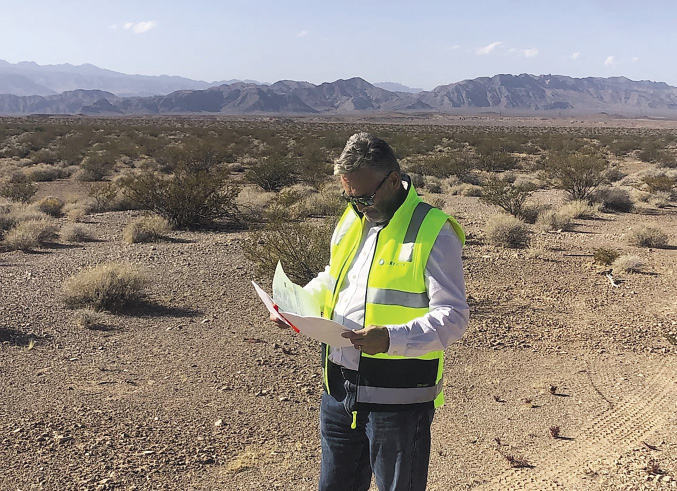
Optimizing Gemini
The Gemini solar+storage project, which will be built near Las Vegas, Nevada, demonstrates the value that dispatchable solar energy generators can deliver. The developer – Primergy, a newly launched unit of Quinbrook Infrastructure Partners – has engaged DNV GL to optimize more than a dozen parameters to maximize returns, while still adhering to offtaker limitations. Here, the Norway-headquartered energy consultants share their experience working on this mammoth project.
Aug 03, 2020

Big batteries: efficient, economic, but not easy
French project developer and independent power producer Neoen caught the attention of the wider solar community with the development of record-setting PV projects, such as the 300 MW Cestas array in France. But it’s big batteries, such as the expanded 150 MW/193.5 MWh Hornsdale project in Australia, that have truly surprised many. And this is just the beginning, says Romain Desrousseaux, Neoen‘s deputy CEO and head of international development.
Aug 03, 2020


Hydrogen and the energy transition
Researchers are now simulating how the energy transition can be as successful and cost-effective as possible. As part of the simulation, they are also calculating how much hydrogen will be needed and where it could come from. In Germany, a recent study by Fraunhofer ISE showed that the cost is so low that the nation could gift itself the energy transition as a Christmas present.
Aug 03, 2020
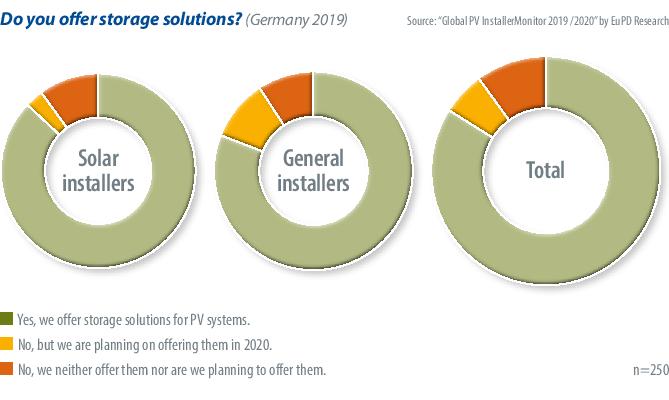
European storage – Start of a new growth phase?
In general, the tale of photovoltaics in Europe has been a success story, albeit one not completely devoid of obstacles and hurdles. The idea of producing clean energy was pushed by tailwinds when CO2 emissions skyrocketed and the catastrophic Fukushima incident once more made us recognize the hazards of nuclear energy. However, the PV industry still has a long way to go to reach its full potential.
Aug 03, 2020

Australia heading for a battery boom
With 82,000 cumulative system installations, Australia ranks among the world’s leading markets for residential energy storage. But uptake is still sluggish, thanks to long payback periods, and market developments are only now beginning to emerge. That said, forecasts are still bullish for batteries Down Under – it is only a question of when.
Aug 03, 2020
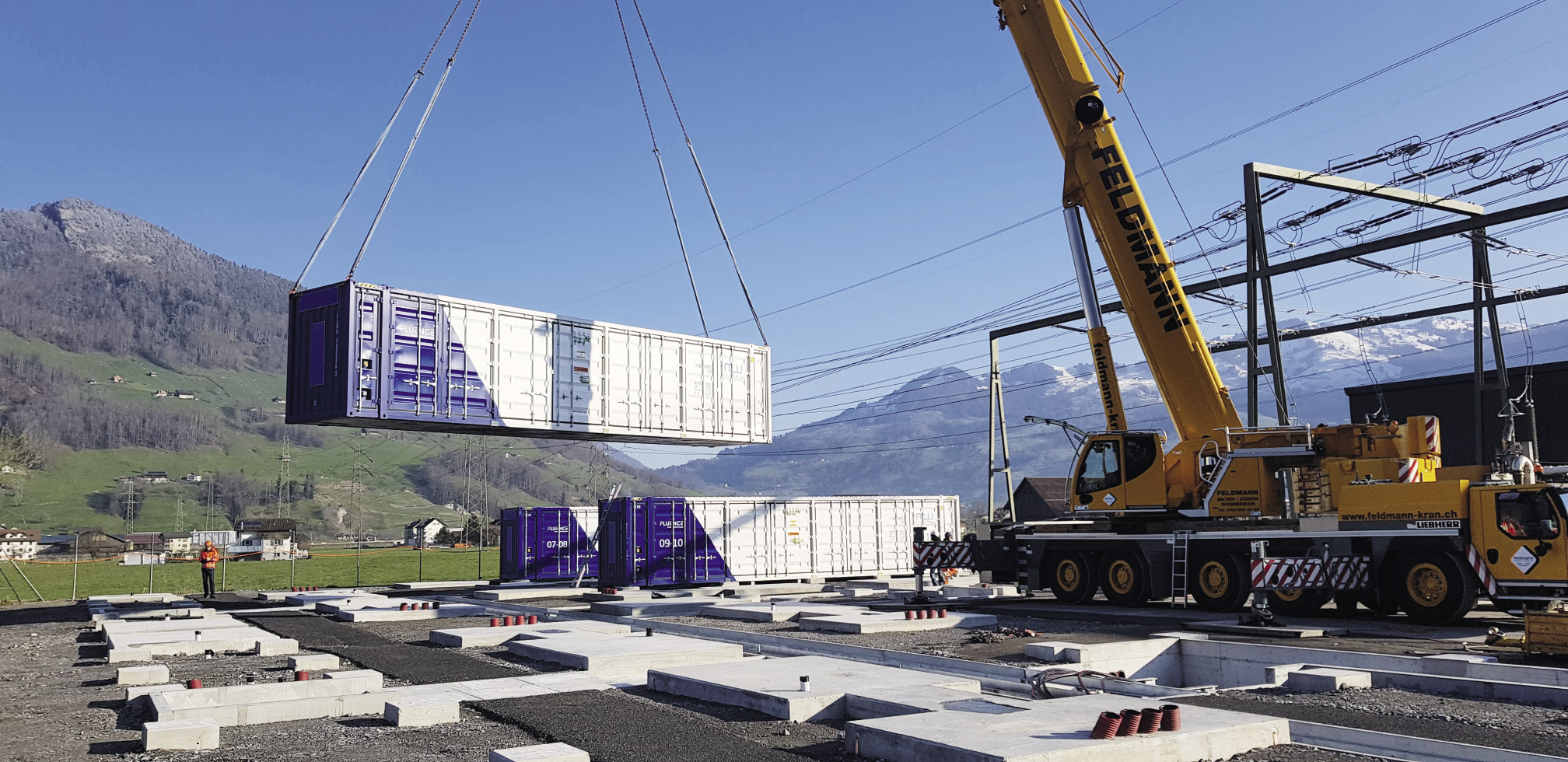
Europe ramps up policy support for storage
Policy support for battery energy storage is gaining momentum across Europe as national governments remove regulatory barriers and the EU pledges financial support for this emerging technology. In several countries, revised capacity markets now allow energy storage operators to compete for subsidy contracts on a more equal footing with power generators. Support from the European Battery Alliance and €1 billion in loans from the European Investment Bank in 2020 alone should help shore up investor confidence. Battery storage will be a key component to support the growth of solar PV – but the rollout of projects will have to accelerate faster to fulfill this potential.
Aug 03, 2020

Starting a new industry
As a business prospect, producing hydrogen via sustainable means remains in its infancy. However, analysts appear increasingly certain that we are seeing the dawn of a vital new industry. In Europe, some countries (such as Germany and Portugal) have already adopted national strategies for the production and use of the fuel. And in July, the European Union also published a comprehensive hydrogen strategy as a central part of a climate-neutral Europe.
Aug 03, 2020
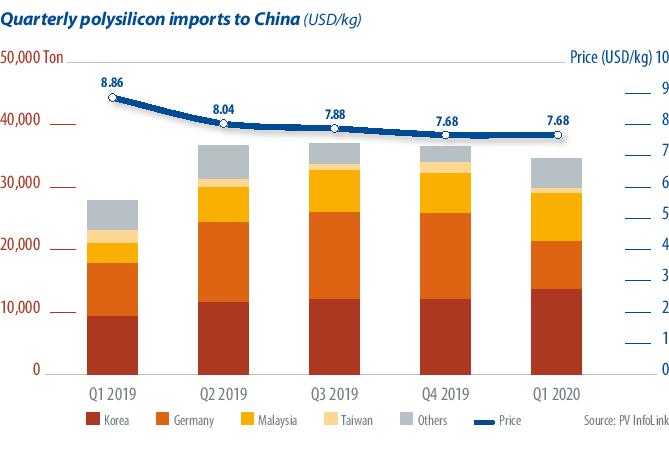
Consolidation continues for polysilicon makers
While mono-grade polysilicon prices did not decrease much in the first quarter owing to stable demand, multi-grade fell to record lows as its market share diminished. During the second quarter, writes PV InfoLink senior analyst Cooper Chen, the market saw excessive supply. Monocrystalline manufacturers have been running at full tilt and bringing new capacities online as scheduled, while the pandemic rages on overseas.
Aug 03, 2020
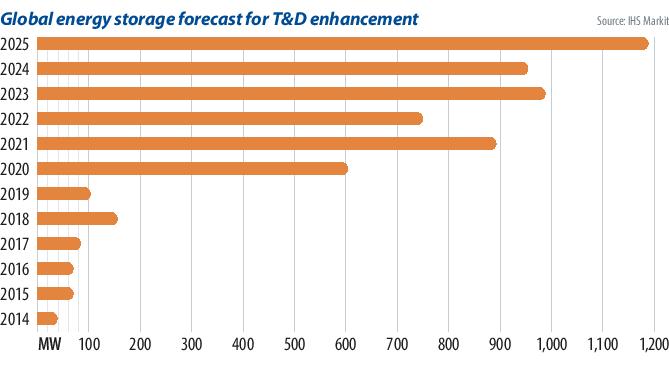
Energy storage and network reinforcement
As renewables penetration increases, transmission and distribution (T&D) infrastructure will require significant reinforcement. Battery storage is becoming a key alternative to traditional ways of reinforcing network infrastructure, because it is fast to deploy, can provide multiple services, and often comes at a lower capital cost. IHS Markit analyst Oliver Forsyth delves into the additional value streams that strengthen the case for grid-connected batteries.
Aug 03, 2020
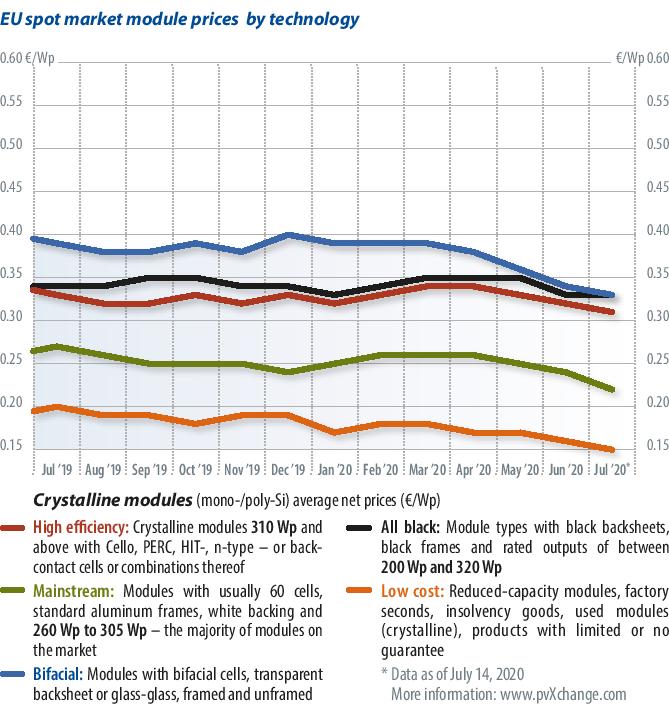
Clash of the titans reloaded
As early as March 2019, information began to emerge on the patent lawsuit that module manufacturer Hanwha Q Cells filed on three continents against its competitors Longi Solar, Jinko Solar, and REC. At the time, the purpose of the lawsuit was not clear and it was still uncertain whether it would even be admitted. Just over a year later, the first verdicts have now been handed down. In the United States, the rulings were against the plaintiff, but in Germany, they came down in its favor. The Düsseldorf Regional Court confirmed a lower court ruling that the competitors had unlawfully used Hanwha Q Cells patented technology. Judges granted Hanwha Q Cells a remedy in the form of an injunction. But what does this ruling mean for the parties concerned, and in particular for their customers?
Aug 03, 2020

Signs of a strong second half
Solar stocks enjoyed another good month in July, writes ROTH Capital Partners Jesse Pichel. A major acquisition deal is driving investor confidence in the United States, new wafer capacity is coming online, and the temporary loss of some polysilicon manufacturing capacity is pushing prices up slightly.
Aug 03, 2020