
pv magazine Subscriptions
A pv magazine Global subscription provides comprehensive coverage of the solar and energy storage sectors. Available as digital-only or print + digital, it gives readers access to in-depth articles, expert analysis, and premium content.
Published 12 times per year in English, pv magazine Global reports on global market trends, technology developments, major projects, and policy frameworks shaping the solar and storage industry worldwide. Stay informed with trusted, independent reporting.


Take a look at our premium content
By subscribing, you get access to our entire digital archive, consisting of over 4,000 articles.
All premium articles

Brazil’s plan for a battery supply chain
Battery manufacturing in Brazil is being spurred by local content requirements for country’s December 2026 energy storage auction, as well as the financing terms from Brazilian development bank BNDES that are favorable to locally made products. Domestic and foreign suppliers are already announcing investments in battery manufacturing facilities.
Aug 25, 2026

AC-Coupled vs. DC-Coupled
Growing applications for battery storage mean the optimal system design may not be the most obvious. Jakir Hossain and Mujtaba Abdelwahab of Storlytics Energy Storage present a simulation-based comparison of AC vs. DC coupling showing how realistic dispatch modeling rather than generic assumptions fundamentally changes BESS sizing, levelized cost of electricity (LCOE) outcomes and architecture selection.
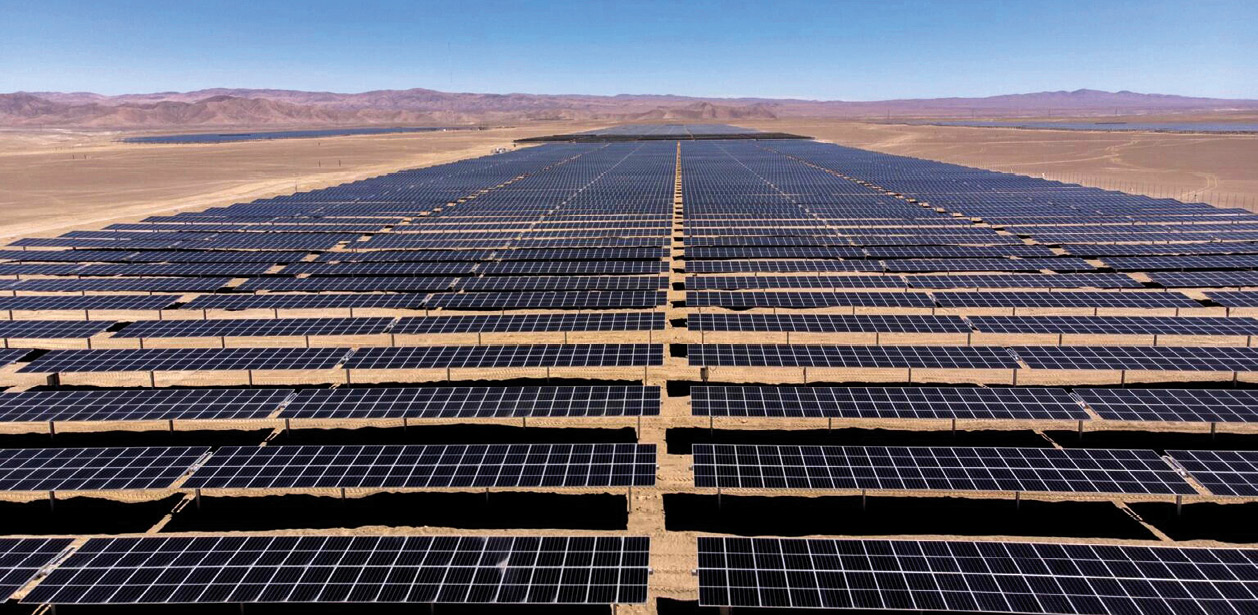
Solar powerhouse to storage leader
Chile is transforming in a bid to avoid becoming a victim of its own solar success. Developers have flooded the Atacama Desert with solar projects, turning Chile into a PV powerhouse but also drastically reducing revenues and driving some operators into bankruptcy. S&P Global Energy’s Ángel Cancino sees the country increasingly focusing on energy storage to rescue some of its overbuilt PV capacity.
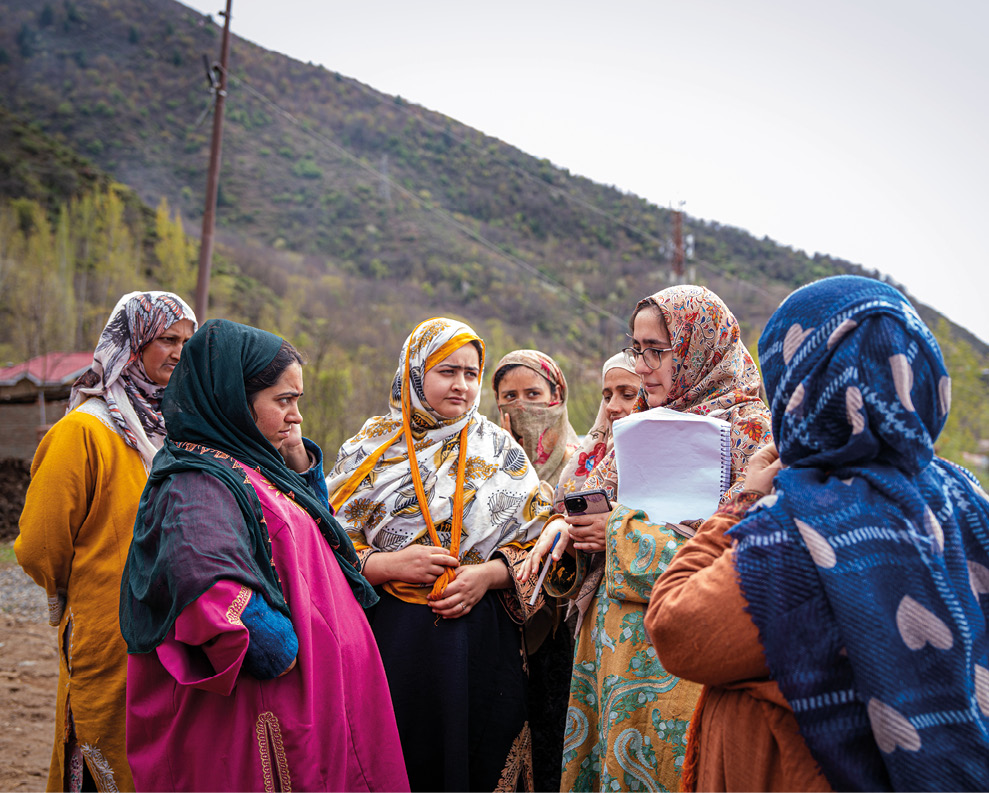
India’s model solar villages
India’s installed solar capacity has surged from 7 GW in 2016 to more than 150 GW in 2026 – a more than twentyfold increase. Driven primarily by large-scale solar projects, this progress has transformed India’s electricity mix and shown its ability to deploy solar at scale and at competitive costs. The next phase of India’s solar journey may see increased deployment of distributed generation, bringing economic benefits to rural communities, according to Shantanu Roy of the Center for Study of Science, Technology and Policy.

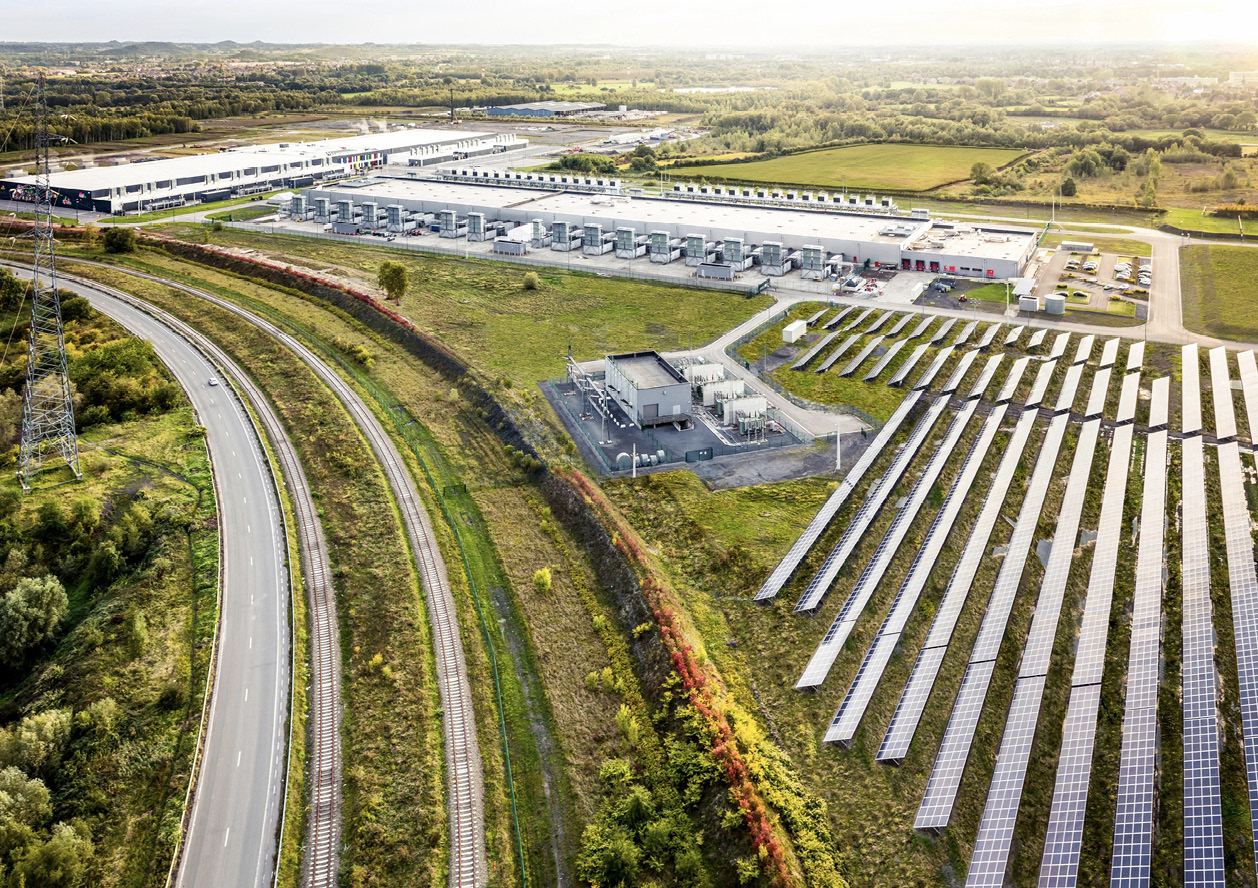
Making the data center business case
A data center can be built in 18 to 24 months, but connecting it to the grid is another matter, writes Laura Hoffmann-Ostenhof, Europe industry lead at modeling software supplier Gridcog. Across Europe’s established hubs – the FLAP-D cluster of Frankfurt, London, Amsterdam, Paris and Dublin – the wait for a grid connection now runs from seven to 10 years, as data centers compete for capacity.
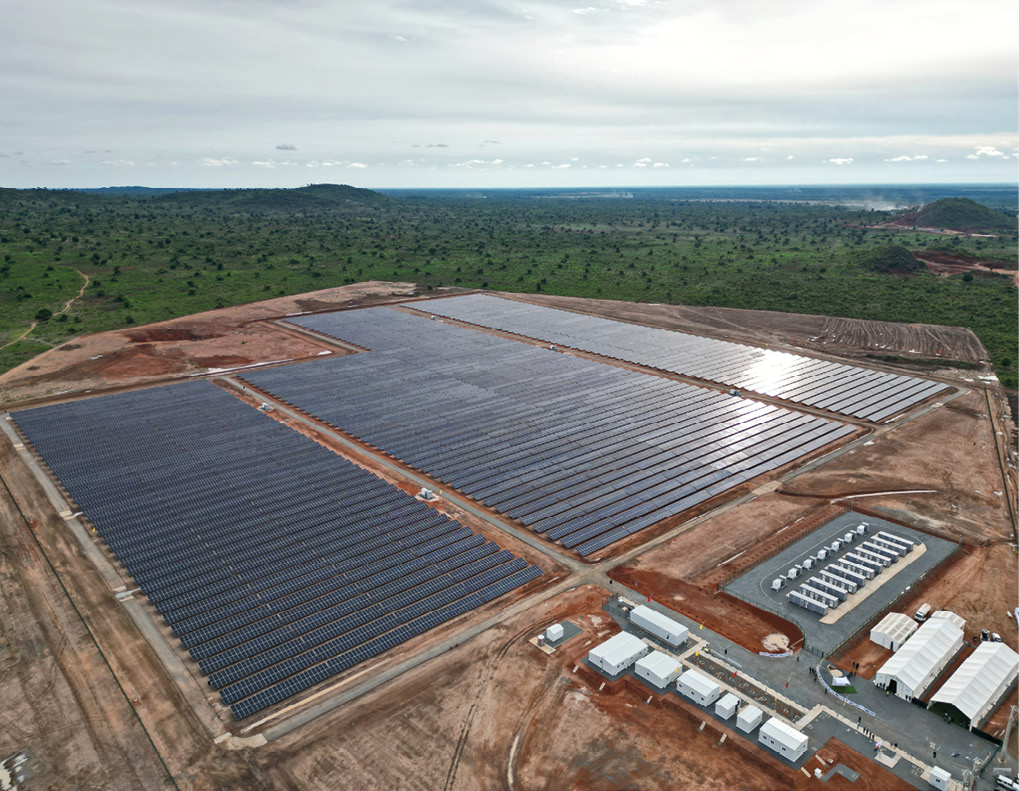
Off-grid in Angola
Portugal’s MCA group has switched on two large-scale off-grid solar-plus-storage projects in Angola since December 2025. Carlo Amado, the company’s chief operating officer of energies, spoke to pv magazine about how the projects fit into Angola’s rural electrification program, which aims to build 46 autonomous solar and storage minigrids to provide reliable electricity to 60 communities across six provinces.

Microgrids can have macro impact
Solar microgrids can bring power and prosperity to communities across the Caribbean, according to Kiesha Farnum, head of partnerships and programs at the Caribbean Centre for Renewable Energy and Energy Efficiency (CCREEE). Modeling work on proposed systems examines how microgrids can impact riverine villages, forest settlements, small islands, fishing communities, and other locations lacking grid infrastructure.
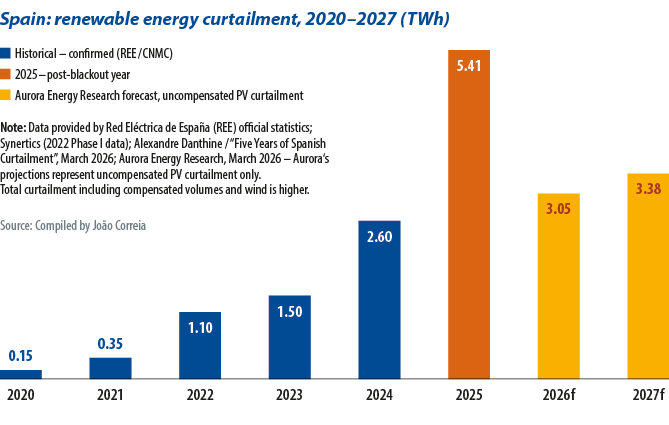
The Iberian BESS paradox
On a Monday in April 2025, 60 million people across Spain and Portugal lost power. The blackout was no minor technical accident, and it exposed the Achilles’ heel of the Iberian energy transition. The system collapsed because it lacked sufficient storage, because synchronous generators were being displaced, and because the interconnection with France remains a bottleneck.
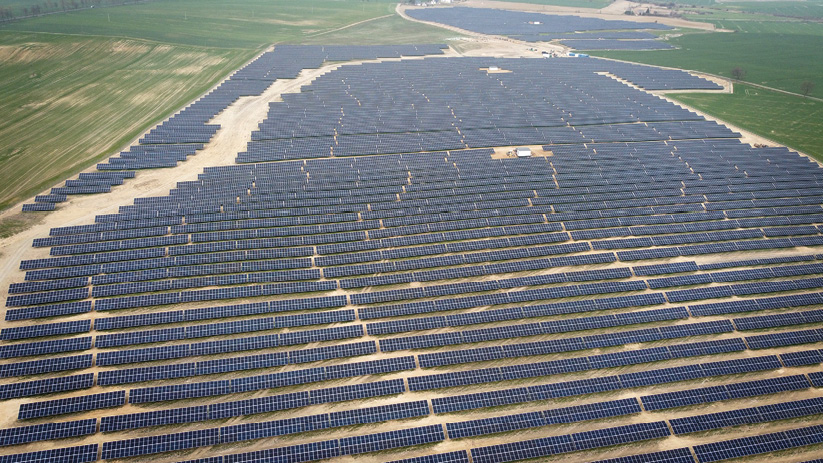
New rules for Poland’s grid
Poland’s amended Energy Act – sometimes known as the Grid Act – came into force on April 30, 2026, introducing significant changes for grid connections to generation and storage. Poland’s Ministry of Energy estimates that the new regulations could unlock the potential to connect around 150 GW of new renewables and storage capacity. New possibilities for cable pooling have been welcomed, but asset owners also face a greater financial commitment when connections are issued and implemented. Energy law expert Piotr Mrowiec outlines the new rules and provisions.
Already a subscriber?
Login