
Subscribe!
pv magazine is the leading global solar and storage media platform with regional insights. dolor sit amet, consectetur adipiscing elit. Nullam a vehicula est. Duis ornare mattis finibus. Aenean luctus mauris ultrices libero posuere, non egestas odio dictum. Cras a nisi a erat luctus pellentesque non.


Take a look at our premium content
Take a look at our premium content
All premium articles

The swiftest route to scale
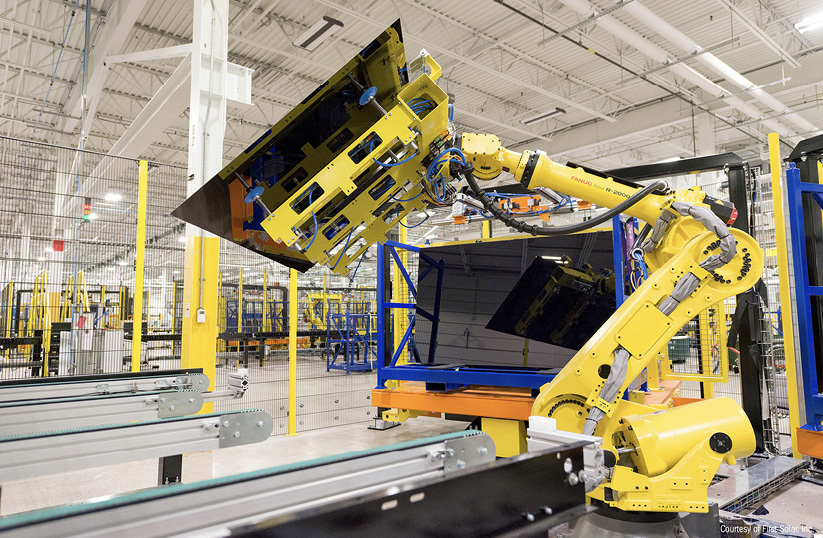
US tandem cell startup Swift Solar acquired an extensive set of intellectual property earlier this year related to heterojunction (HJT) solar cell production from now-defunct manufacturer Meyer Burger. It is also now working with some of the experts who were key to developing the technology.
pv magazine spoke with Swift Solar CEO Joel Jean and former Meyer Burger CEO Gunter Erfurt about the company’s plans to apply its newly acquired knowledge to manufacturing in the United States.
6 hours ago
Avoiding IP issues
Recent disputes involving tunnel oxide passivated contact (TOPCon) solar cell technology illustrate how patent enforcement can shape manufacturing strategy, constrain technology adoption, and create downstream ripples. Solar cell technology provides a useful lens for understanding how intellectual property (IP) risk operates across the US solar industry, as Isaku Begert, an associate at Marshall, Gerstein & Borun LLP, explains.


Strengthening solar standards
The Solar Stewardship Initiative (SSI) brings stakeholders from across the solar industry together to ensure that every component of the PV value chain is produced and sourced responsibly, from human labor to polysilicon. Rachel Owens, the first CEO of the Brussels-based organization and in the role for a little over a year, spoke to pv magazine about what comes next for the initiative.

Notes from the field
Across Europe, North America and high-latitude regions in Asia, agricultural operators face rising energy demand, volatile markets and increasing dependence on electrically driven processes. So why isn’t agricultural solar more popular? Based on her observations on an alpine dairy farm in Austria, complemented by additional insights from other farms in the region, Austrian agriculture consultant Maria Weissenböck finds there is a gap in approaches. Farms tend to approach solar as a risk management decision rather than as an energy transition measure.

Who maintains Europe’s orphaned rooftop solar?
Europe added 65.1 GW of solar capacity in 2025. It also lost 40,000 solar jobs – the first workforce contraction in nearly a decade, according to SolarPower Europe. Behind those job losses is a wave of installer insolvencies that is creating a problem the industry has been slow to acknowledge: a growing population of residential solar systems with no warranty support, no maintenance provider, and no monitoring.
US solar trade and residential market continues to tighten
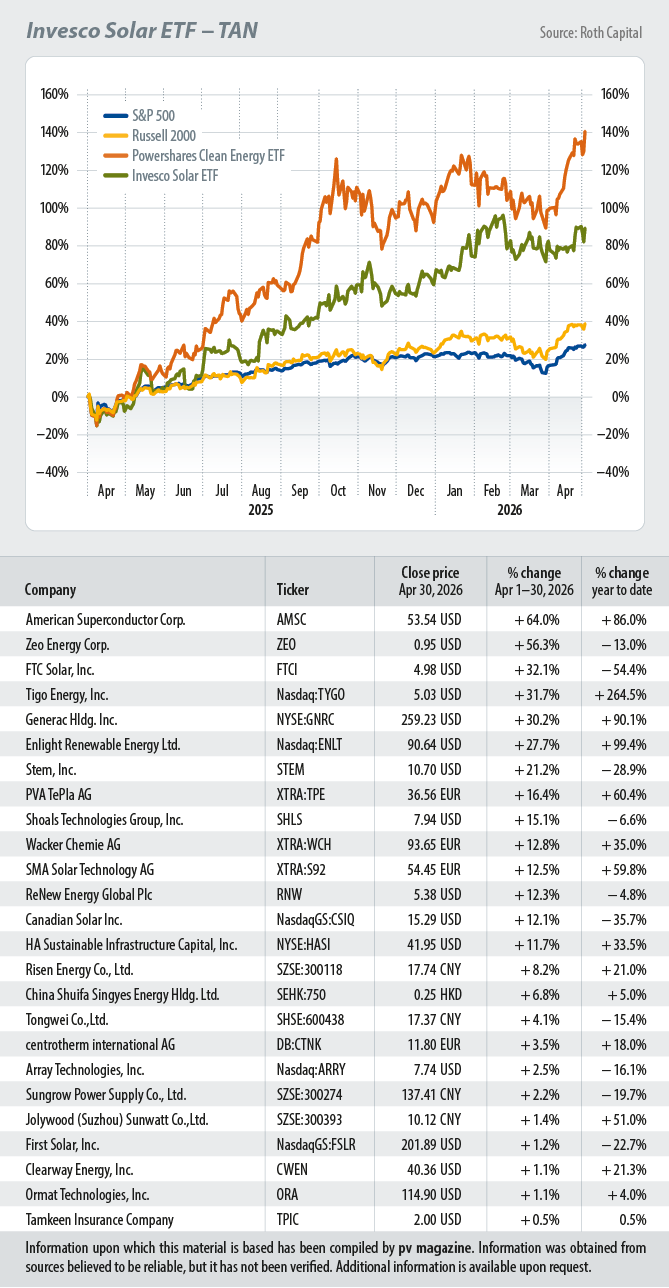
Following the recent Trump-Xi meeting, our industry checks suggest there is little indication that proposed Section 232 actions on polysilicon are at risk of being withdrawn. Most market participants continue to expect the policy framework to move forward, although potentially at a lower tariff rate than initially anticipated. Industry contacts generally do not believe solar-specific trade policy was meaningfully addressed during the summit, with broader anti-China trade positioning still expected to continue.
Documenting risk
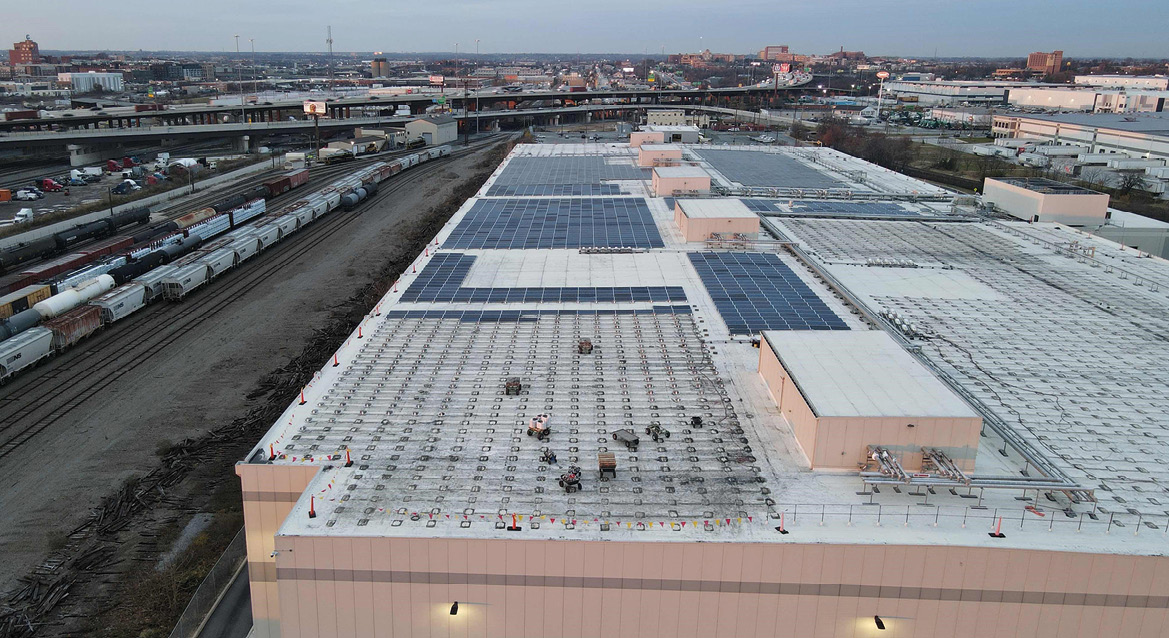
PV projects rarely fail because of vision, permitting or demand issues. They fail because of missing proof. Documentation gaps are becoming a key source of financing and execution risk. Intertek CEA Chief operating officer Jeffrey Burkett sees a clear pattern across the market: technically sound and commercially viable projects are still unable to close financing. Not due to fundamental flaws, but because critical documentation was not built up along the way.
The aggregation imperative
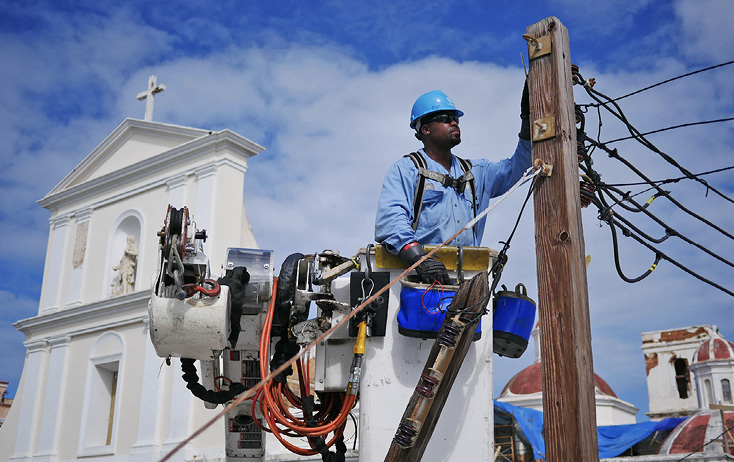
Grid operators across the United States face an unprecedented dual challenge of surging electricity demand from data centers and frequent extreme weather events. These grid strains are forcing a structural shift in the US energy market, and decentralized generation capacity aggregated under virtual power plants (VPPs) is entering the mainstream.
Already a subscriber?
Login