Author

Mark Hutchins
Mark Hutchins is Magazine Director. He joined pv magazine in September 2016 as production editor of the monthly global title. Mark also works online reporting on upstream technology and markets, as well as newly emerging solar regions.
Advertisement
Articles written by Mark Hutchins

Putting bifacial modules to the test
US scientists recently put different bifacial solar cells and modules through a series of tests at elevated temperature, humidity, voltage and mechanical stress levels. The tests revealed a range of light-induced and potential-induced degradation mechanisms that modules will likely suffer in the field.
Nov 01, 2022
Recycling key to solar sustainability
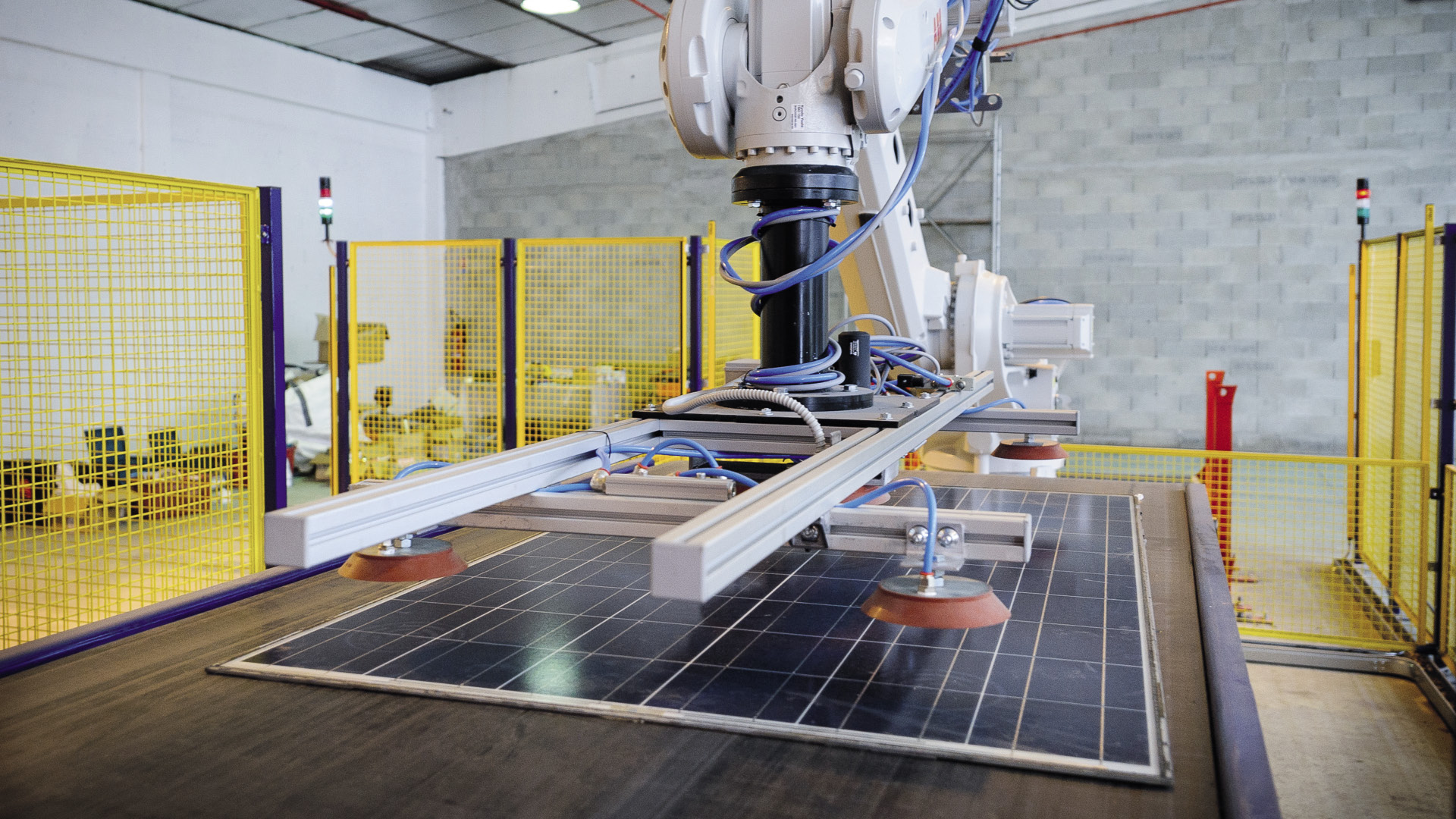
A new study of the environmental impacts of renewable energy finds significant opportunities for solar to reduce its impacts in various categories, including human health, resource depletion, and environmental damage. The study notes in particular that more work is needed to establish a comprehensive reuse and recycling network for end-of-life PV products.
Oct 31, 2022
The weekend read: Catalyst for an EU solar cell, module comeback
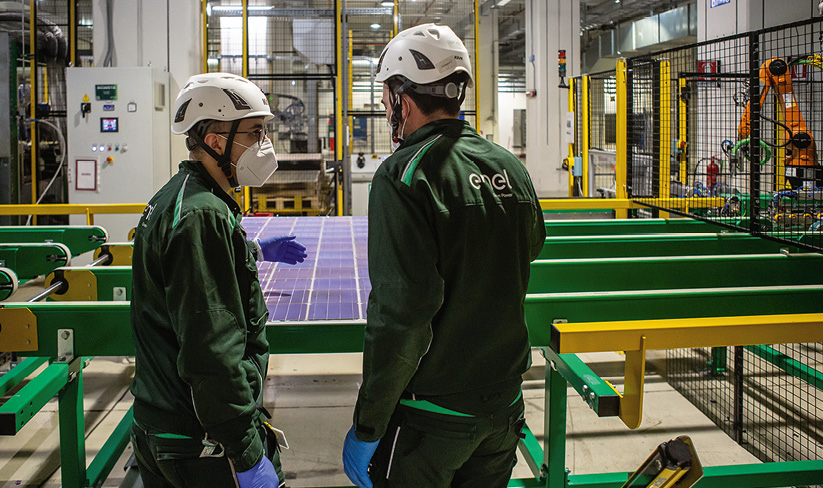
Plans for Europe’s largest-ever PV cell and module factory are taking shape, with equipment orders placed and a projected start date in mid-2024. Enel Green Power has received €118 million ($116.36 million) in funding from the EU Innovation Fund to support the project, out of a total €600 million investment. The EU is hoping it will catalyze further investment in similar projects, and start a high-tech comeback for European solar manufacturing.
Oct 08, 2022
Advertisement

Flexible, roll-to-roll printed perovskite solar cell hits 16.7% efficiency
Australian scientists have demonstrated a flexible perovskite solar cell using roll-to-roll compatible “printing” type processes, which could potentially be applied in large-scale manufacturing. Of particular note is the development of a viable roll-to-roll process to deposit the electrode layer, which has thus far been a major challenge. Cells fabricated by the group achieved a maximum efficiency of 16.7%.
Sep 12, 2022
Improving n-type TOPCon solar cells
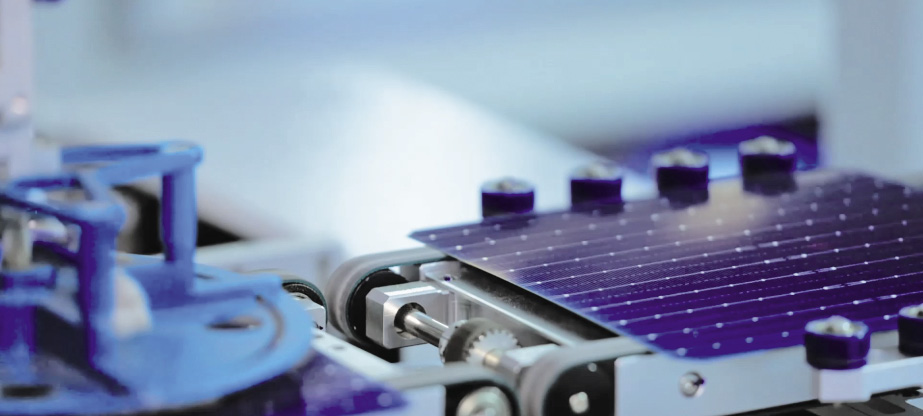
Scientists in China have studied the formation of contacts in tunnel-oxide passivated contact (TOPCon) solar cells, and the role of high-temperature annealing processes on the quality and performance of cells. Their findings could open up pathways for scientists looking to squeeze even more efficiency out this rapidly growing cell technology.
Advertisement

Solar perovskite tandems and potential-induced degradation
Scientists have found that perovskite solar cells and perovskite-silicon tandems might be vulnerable to potential-induced degradation. They exposed tandem cell devices to PID stress and found that they lost as much as 50% of their initial performance after just one day.

Advertisement
Press releases
Press Release
BSW Solar
Jan 27, 2017
Press Release
Yingli Solar
Jan 13, 2017
Press Release
Corfo
Jan 11, 2017