Author

Tristan Rayner
After studying Electrical Engineering and working in both transmission and control sectors, Tristan Rayner turned his attention to editorial roles. Prior to joining pv magazine in 2020, he was managing editor at a fast growing digital media start-up in Australia, and has contributed widely across international tech and finance publications.
Advertisement
Articles written by Tristan Rayner
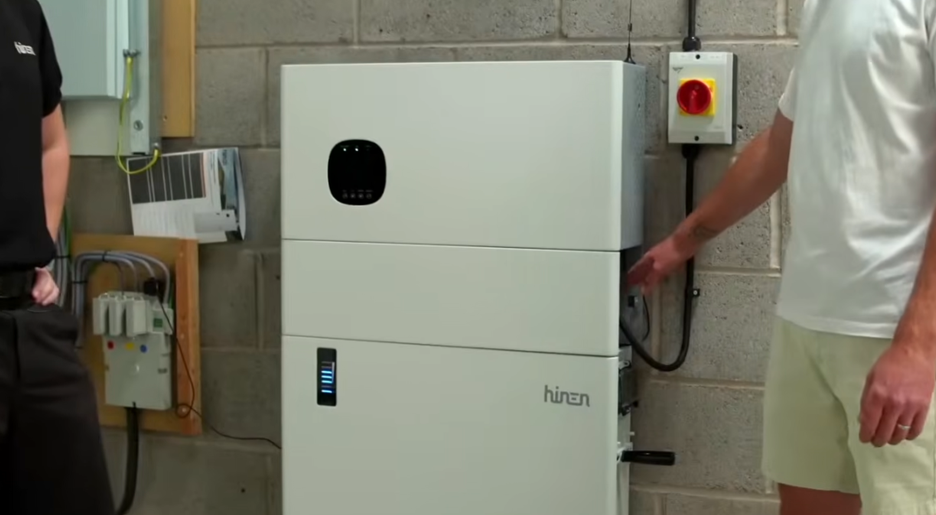
Hinen launches 13.68 kWh residential energy storage system
Hinen’s A15 residential energy storage system combines 3.6 kW to 15 kW hybrid inverters with 14.4 kWh LFP battery modules, each offering 13.68 kWh of usable capacity. Up to six batteries can be connected in parallel for 86.4 kWh nominal and 82.08 kWh usable capacity, with more than 8,000 cycles, IP65 protection and a 12-year warranty.
Aug 26, 2026
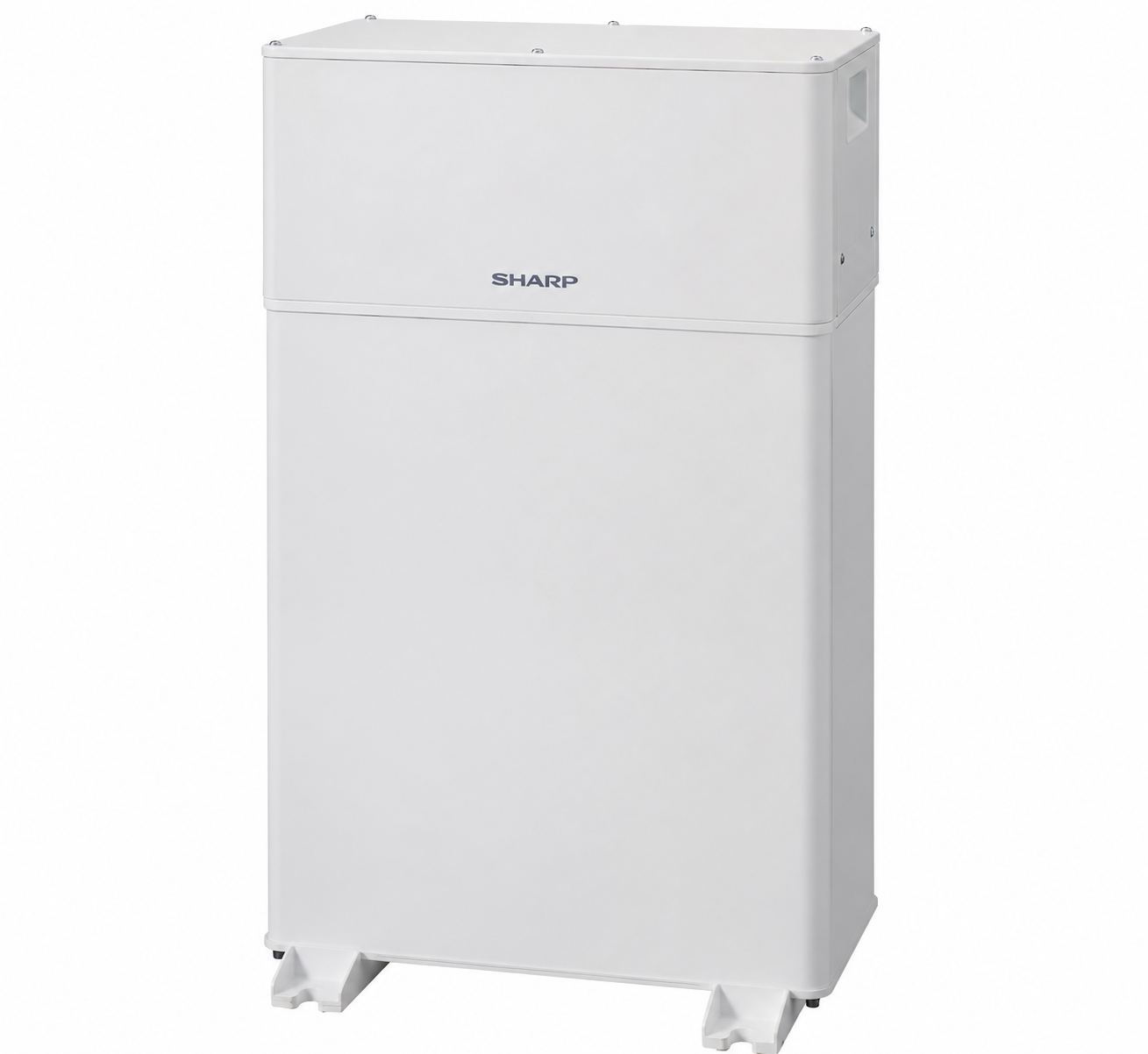
Sharp unveils 11.5 kWh battery for residential use
Sharp is launching its Japan-made 11.5 kWh Eee Storage battery, offering 21% more capacity in a 35% smaller footprint, with AI-powered energy management and enhanced whole-home backup capabilities.
Available in Japan from September 8, 2026, the system targets higher solar self-consumption and delivers up to 4.2 kVA during outages, with the battery priced at JPY 3.751 million ($23,550).
Advertisement

Saudi Arabia awards $1.16 billion for 8 GWh of battery storage
The Saudi Power Procurement Company (SPPC) has finalized four 15-year storage service agreements with two consortiums led by ACWA Power and Engie. The 2 GW/8 GWh portfolio marks the first phase of the Kingdom’s massive battery storage procurement program.

Blocked BESS in Britain: Clearstone’s appeal fails for 150 MW site at Axminster
Clearstone Energy’s proposed 150 MW Axminster Energy Hub BESS appeal was dismissed by planning inspector Helen Heward on August 13, 2026, despite the developer’s compliance with relevant fire-safety guidance and use of Wärtsilä Quantum 1 technology. The decision centred on concerns over explosion mitigation and the resulting risk of groundwater pollution, with the inspector finding insufficient robust evidence that fire and pollution controls would be effective.
Advertisement

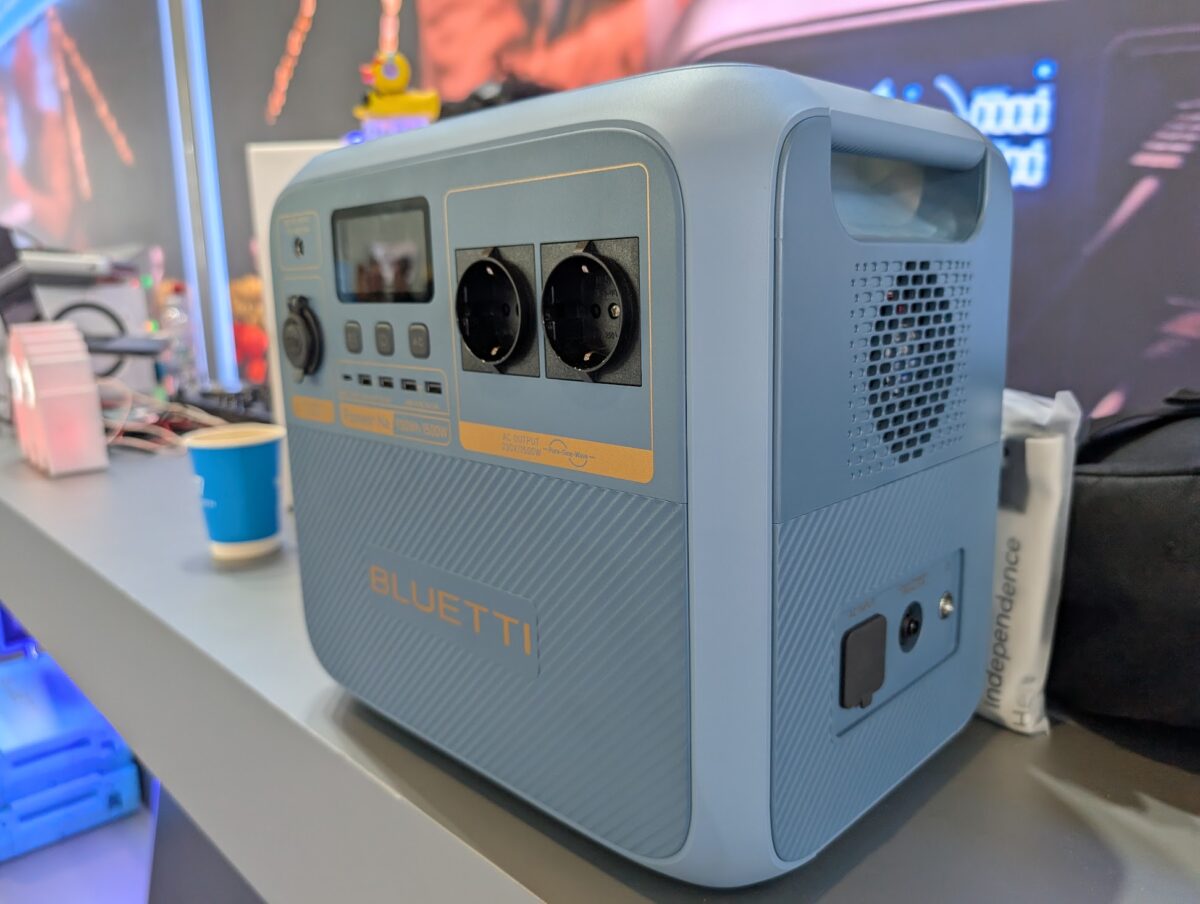
US eases transport rules for portable lithium batteries, raising limits and cutting regulation
The shift to battery-powered tools and portable power stations in the trades has been hampered by hazardous materials regulations set before the battery revolution. A new US ruling better clears the way for the portable storage industry.
Advertisement