Material concerns
Shouldn’t we all be driving in affordable electric cars with 800-plus kilometers of driving range by now? Surely yes, according to many of the announcements coming from battery scientists over the past decade. Yet for all the scientific breakthroughs, few in fact “break through” into commercial applications. Christian Kuss of the University of Manitoba makes the case for a holistic approach to battery materials development, and reminds us to look beyond the stars of the show and consider their interactions with the auxiliary materials that hold the whole thing together.
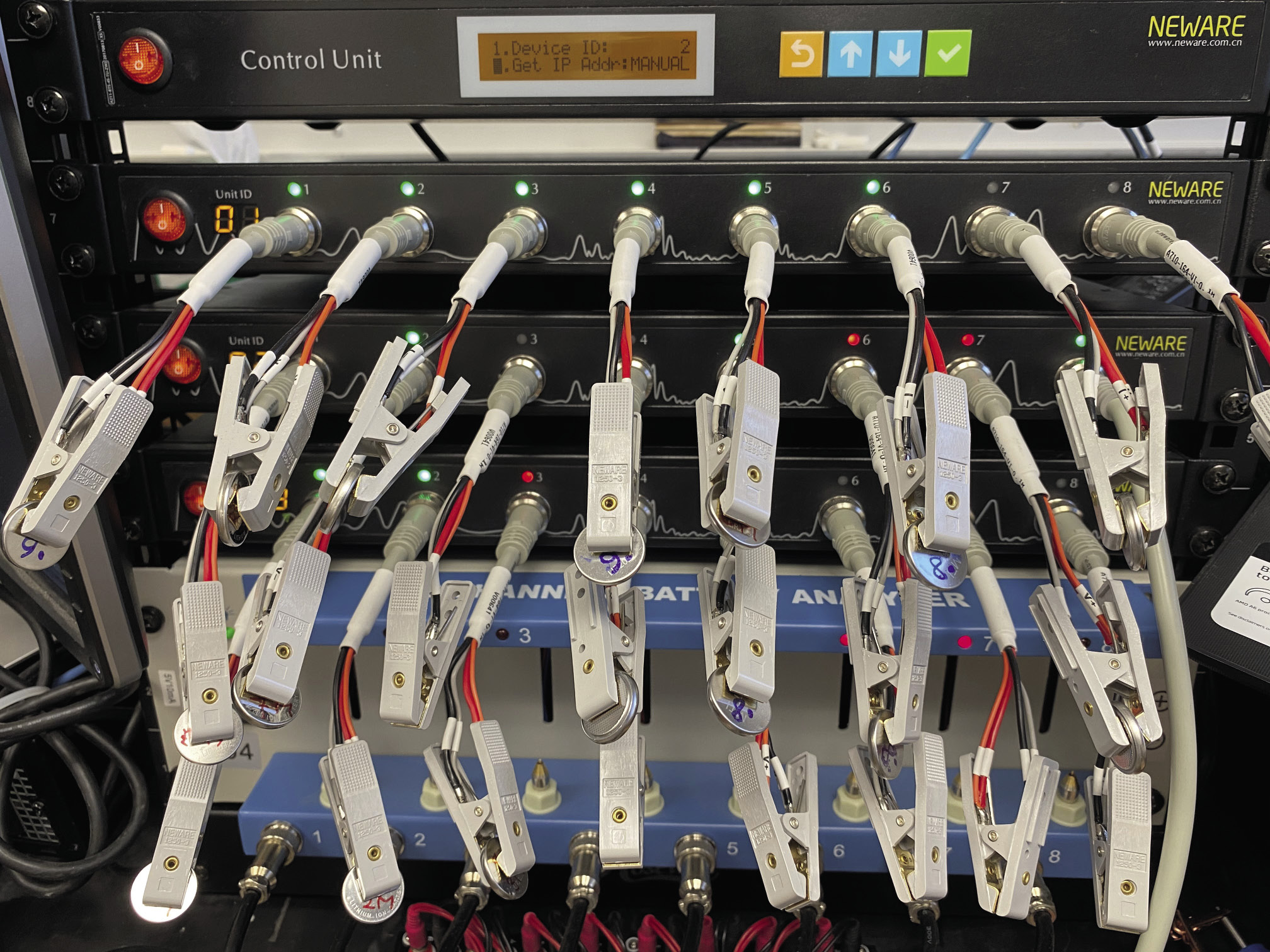
The challenge for new energy storage technologies lies not in the ability of battery materials to store electricity. We have seen reports of materials with the potential to exhibit capacities 10 times greater than those of traditional lithium-ion materials. The problem lies in the ability to do so reversibly, over thousands of cycles, safely and …
Advertisement
Advertisement
Advertisement
Advertisement