UP: Embodying change
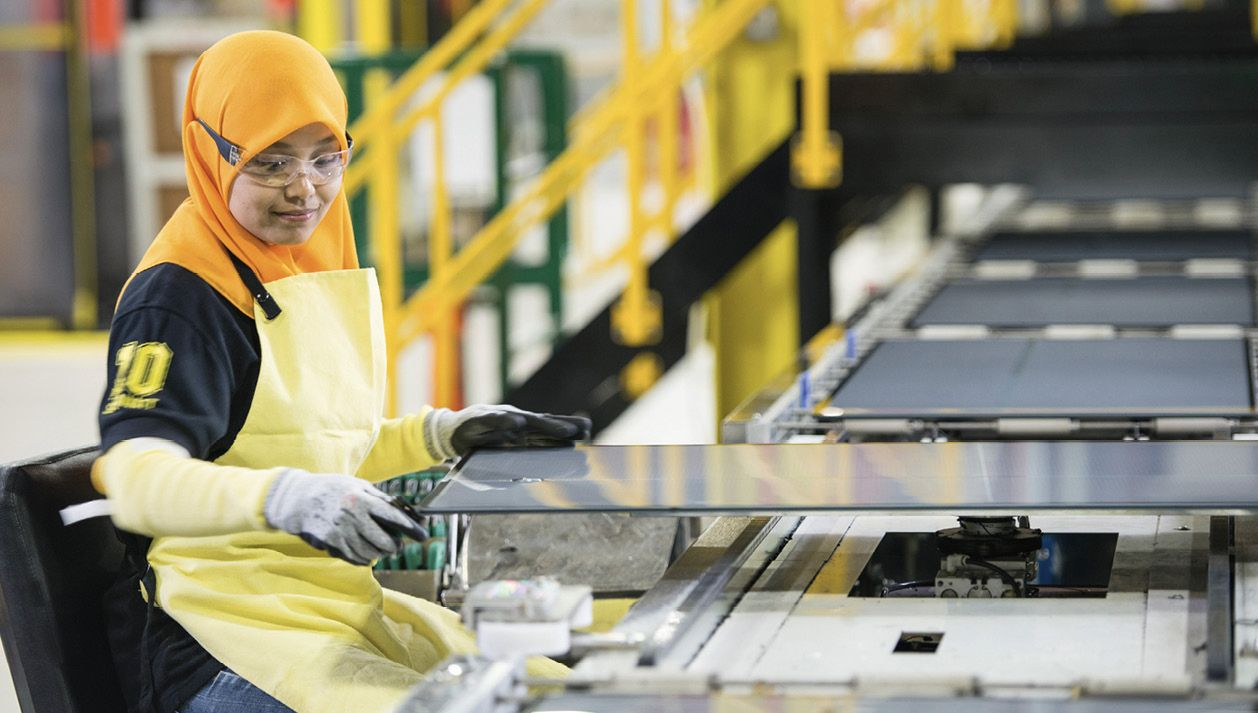
Solar technology varies and solar manufacturing occurs in various parts of the world but the predominant technology relies on silicon solar cells, with a significant portion of manufacturing taking place in China. This leads to higher embodied carbon due to the production of silicon solar cells and the location of manufacturing, which often relies on an energy mix with more coal than renewables-based generation. At the scale of PV production in mid-2023, and beyond, the industry’s carbon footprint is significant, despite the generation of green energy by panels after their production.

Behind closed doors, manufacturers acknowledge that there are readily attainable methods of reducing their carbon footprint, such as diversifying supply chains to include greener producers. But there are nuances to consider. What if a product, despite having a slightly larger carbon footprint when manufactured, boasts a longer lifespan and delivers superior efficiency? In such cases, …

Advertisement
Advertisement
Advertisement
Advertisement