Brazilian grid operator expects PV, wind curtailment to reach 40 GW

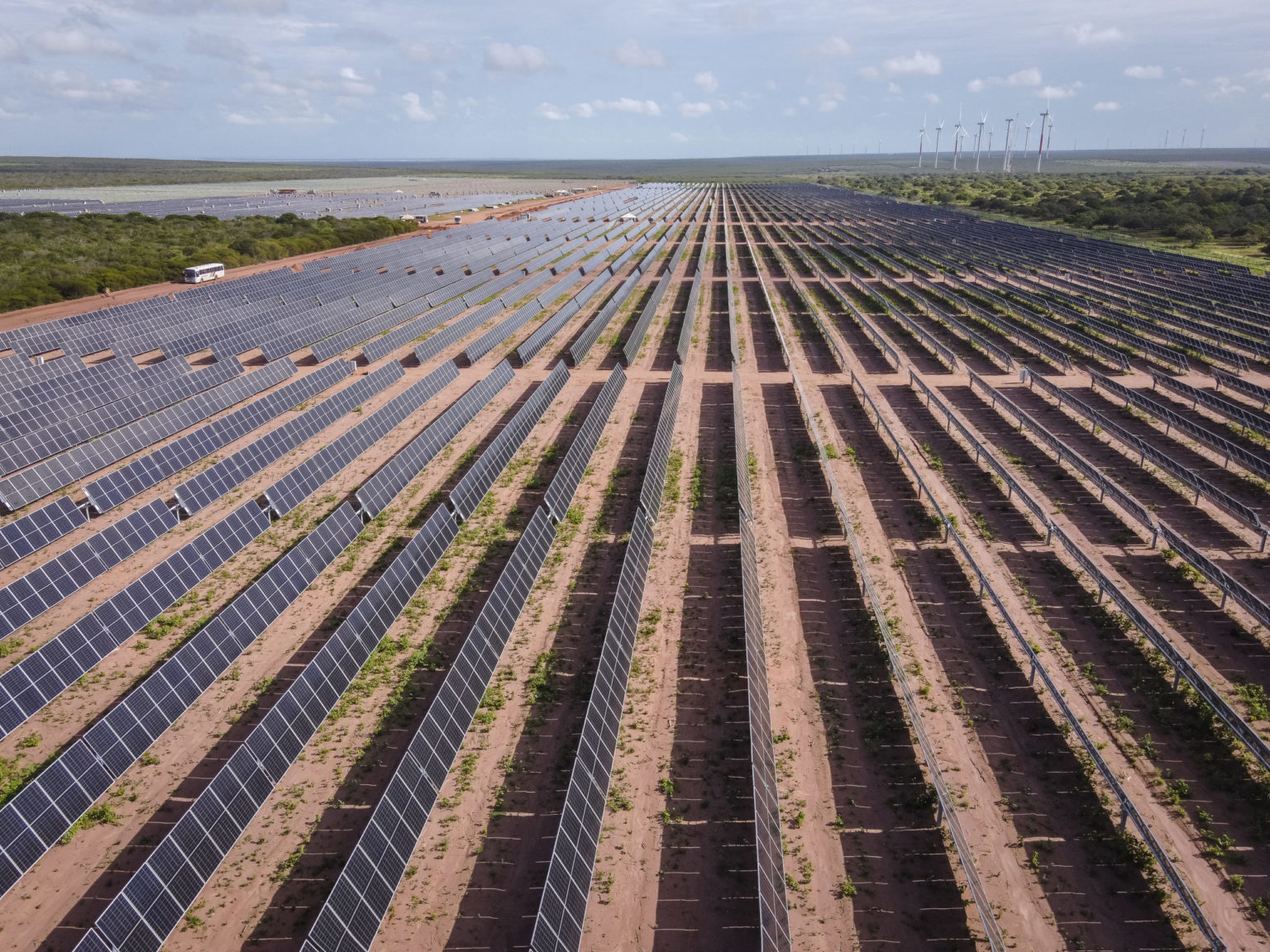
Brazil’s The National Electric System Operator (ONS) projects that curtailment of wind and solar generation could reach up to 40 GW annually between 2027 and 2030, driven by growing renewable energy surpluses during certain periods of the day and operational constraints within Brazil’s National Interconnected System (SIN). The assessment is included in the Medium-Term Electric Operation Plan (PAR/PEL) for the 2026–2030 cycle, published by the operator.
According to the document, curtailment is expected to remain concentrated during periods of peak solar generation, when high photovoltaic output coincides with lower demand and transmission bottlenecks. Under these conditions, limiting generation becomes necessary to preserve the security and reliability of electricity system operations. Curtailment levels are expected to be considerably lower during nighttime hours, highlighting the direct relationship between the challenge and the daily profile of solar generation.
The study indicates that this issue is likely to persist throughout the planning horizon, even with projected electricity demand growth. In a sensitivity analysis, the ONS assessed the impact of adding 4 GW of new load to the system and found that the measure would reduce curtailment by less than 800 MW on average, which is described as an insufficient reduction given the scale of the projected surplus.
The operator argues that addressing curtailment will require a combination of structural measures, including transmission expansion, the deployment of battery energy storage systems (BESS), demand response programs, greater operational flexibility, and the development of new consumption sources capable of absorbing surplus daytime generation.
However, the document notes that these measures alone will not fully resolve the challenge. The ONS emphasizes the need to better align the expansion of variable renewable generation with demand growth, particularly during daylight hours. If large-scale solar projects and distributed generation systems, including micro- and mini-generation (MMGD), continue expanding faster than electricity consumption, the system could face an increasingly structural surplus, leading to higher levels of required curtailment.
The operator stresses that the challenge is not limited to expanding renewable energy capacity but also ensuring that generated electricity can be effectively integrated and consumed by the system. This will require coordinated planning across generation, transmission, and demand.
Transmission expansion
The PAR/PEL plan identifies investments in grid infrastructure aimed at increasing the capacity to transport renewable generation. Over the planning period, the plan includes approximately 5,301 kilometers of new transmission lines, 24,314 MVA of additional transformer capacity, and estimated investments of BRL 28.1 billion ($5.45 billion).
Among the main projects is the expansion of transfer capacity between the North/Northeast and Southeast/Central-West regions. According to the plan, this capacity is expected to increase from 18.5 GW in January 2026 to 23 GW by 2030, enabling greater transmission of renewable energy, particularly from the Northeast, to Brazil’s main electricity consumption centers.
Increasing demand for flexibility
The ONS forecasts that peak demand in the SIN will reach approximately 129 GW by 2030, representing an increase of nearly 17% compared with the peak recorded in 2025. Over the same period, total installed capacity is expected to reach 269 GW, driven largely by continued renewable energy expansion.
Wind and centralized solar capacity is projected to approach 60 GW by the end of the planning horizon. When considering all projects with signed Transmission System Use Contracts (CUST), this figure could increase to around 77 GW, reinforcing the need for greater operational flexibility across the power system.
The growing share of variable renewable generation will require new tools to maintain SIN reliability, including resources capable of providing flexibility, operating reserves, and grid stability support.
Distributed generation
The report also highlights the impact of rooftop PV on Brazil’s changing electricity demand profile. According to the ONS, distributed generation capacity has surpassed 43 GW, reducing daytime net demand and contributing to steeper load ramps during the late afternoon, as well as causing reverse power flows in some areas of the distribution network.
Despite these operational challenges, the grid operator considers distributed energy resources a potential source of greater system flexibility when supported by smart management and appropriate operational control mechanisms.
Current initiatives include updates to the Distribution Procedures (PRODIST), the development of a Distribution Network Energy Surplus Management Plan, and improvements to the representation of distributed solar in the operational models used by the ONS.
This content is protected by copyright and may not be reused. If you want to cooperate with us and would like to reuse some of our content, please contact: [email protected].

Please login to comment