Flexible contracting framework aims to help renewables meet data center energy demand

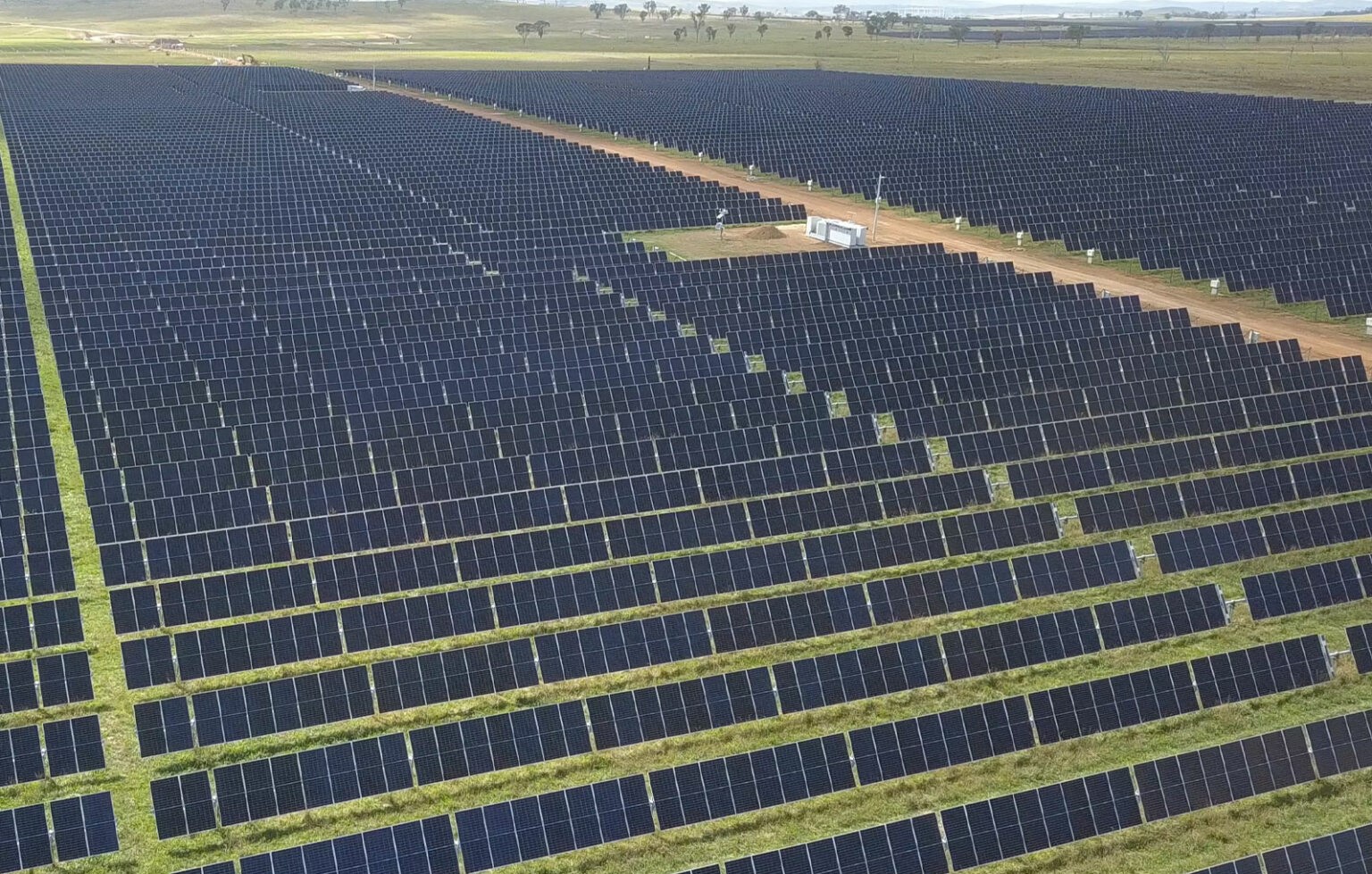
Data centres can be the backbone to utility-scale solar and battery energy developments through long-term power purchase agreements (PPAs) that underpin new project final investment decision milestones, with a new Clean Energy Council (CEC) proposal identifying hybrid systems as essential for meeting data centre energy needs.
On the back of the data centre boom, the CEC proposal outlines opportunities to escalate clean energy investment and boost economic resilience for regional communities by deploying a flexible contracting framework (FCF).
The FCF is a structured pathway for data centre operators to underwrite additional firmed renewables (AFRs) through PPAs or pursue direct asset investment to bridge operational build-time gaps.

These would be backed by renewable certificate markets, namely renewable electricity guarantee of origin certificates (REGOs), which give solar generators additional financial upside when trading green power directly to expanding tech operators, and large-scale generation certificates (LGCs).
Through extensive investment in clean energy solutions, the artificial intelligence (AI) and cloud services-driven data centres can also turn midday solar curtailment into an asset, absorbing excess solar generation during peak solar hours.

CEC Chief Executive Officer Jackie Trad said Australia doesn’t have to choose between powering homes and powering the digital economy.
“We can do both, provided every major new electricity user helps secure the next generation of wind, solar and battery projects,” Trad said.
The report also highlights the economic opportunities for regional communities.
“When data centres help to bring in new renewable energy projects, they’re also helping create tens of thousands of regional jobs, generating hundreds of millions of dollars in community benefits and local government revenue, and creating long-term opportunities for Australian businesses right across the clean energy supply chain,” Trad said.
The CEC report notes more than 250 data centres already operate in Australia, and the sector has expanded more since 2020 than in the entire fifteen years before it. Data centres currently consume around 2% of NEM grid-supplied electricity, projected to rise to approximately 6% by 2030 and 12% (10% of underlying demand) by 2050.
This content is protected by copyright and may not be reused. If you want to cooperate with us and would like to reuse some of our content, please contact: [email protected].

Please login to comment