40 GW project pipeline has Australia’s energy transition on track

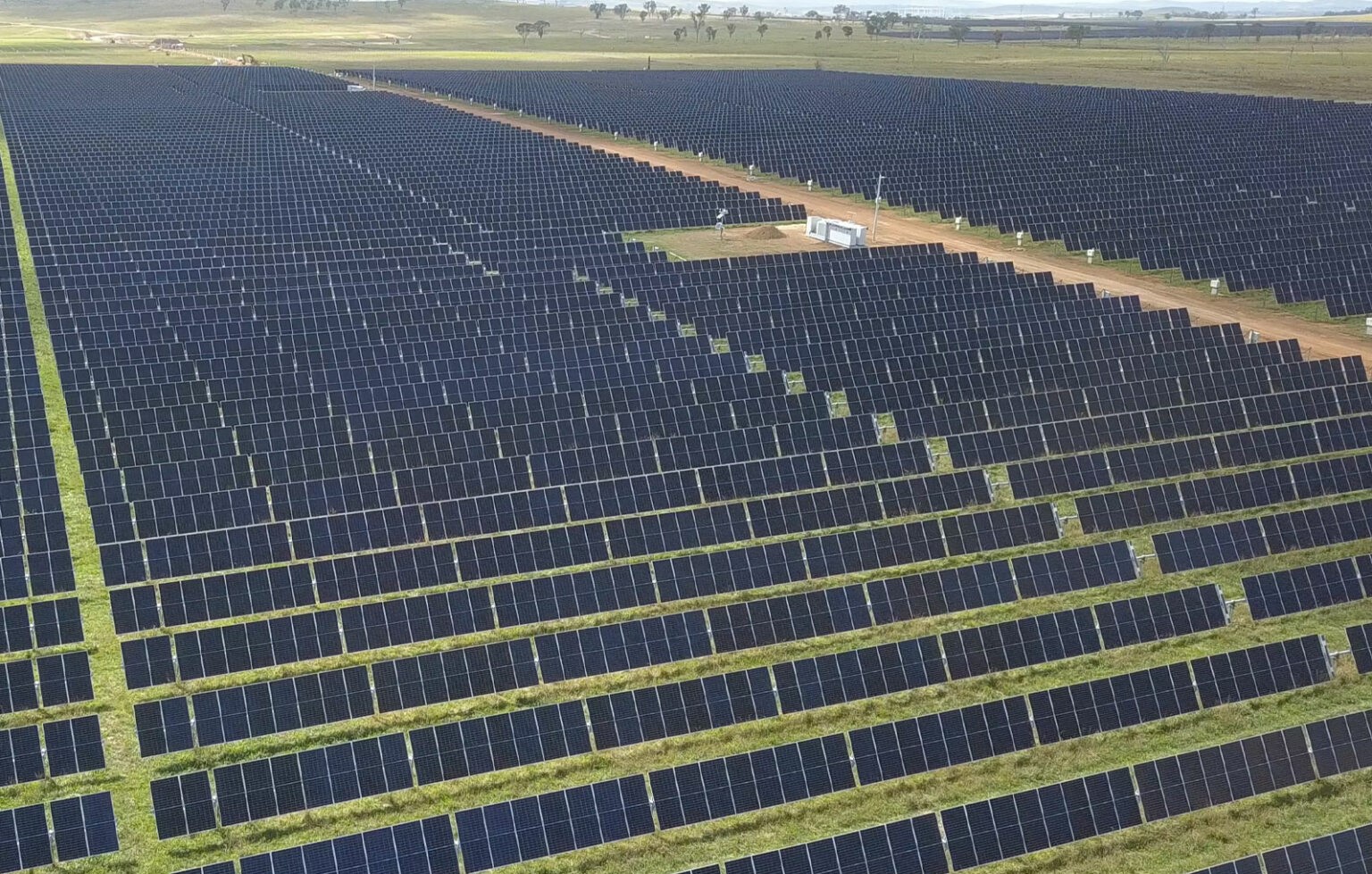
The Australian Energy Market Operator (AEMO) said a record pipeline of new generation and storage is putting Australia on a stronger path to maintain electricity reliability but stressed the timely delivery and operational availability of these developments is key to ensuring the power system’s ability to replace retiring coal-fired generation and meet growing electricity demand.
AEMO’s 2026 Electricity Statement of Opportunities (ESOO) report – the annual 10-year reliability outlook for electricity supply and demand across Australia’s eastern and southeastern states and territories – highlights that electricity consumption and peak demand is forecast to increase by more than 40% over the next decade as homes, businesses and industry electrify and data centre demand grows.
About 15 GW of coal and gas generation is scheduled to retire during that timeframe but the 2026 ESOO shows the pipeline of generation and storage needed to maintain reliability in the National Electricity Market (NEM) has “strengthened materially,” backed by a strong rollout of new renewable generation, batteries, transmission and growing investment by households in rooftop solar and battery storage.
AEMO Chief Executive Officer Daniel Westerman said relative to last year’s report, the reliability outlook has improved, with no forecast reliability gaps identified before 2030.
“The outlook is encouraging, supported by record levels of new generation and storage, and a strong pipeline of projects expected over the next decade,” he said.
“There is a clear pathway to maintain reliable electricity supply, provided new generation, storage, transmission and consumer energy resources continue to be delivered on time as electricity demand grows and older generation retires.”
About 24 GW of newly committed and anticipated generation and storage projects is now progressing through the development pipeline, increasing total committed and anticipated capacity to approximately 40 GW – more than half the current 77 GW NEM capacity. A further 33 GW of publicly announced generation and storage projects have been awarded government investment support.
Since the 2025 ESOO, approximately 9.1 GW of new capacity reached full output over the past year, a new annual record and more than double the connection rate of the year before.
These utility-scale developments are complemented by continued growth of distributed energy resources with more than 2.4 GW / 7.4 GWh of household batteries added to the grid since 1 July 2025, along with continued growth in rooftop solar. In the past year, for every 1 MW of rooftop PV installed, 2.5 MW / 7.7 MWh of storage has been installed in households across the NEM.
While the outlook is encouraging, Westerman added that the report highlights the importance of timely delivery of projects to maintain reliability as coal and gas generation retires and electricity demand grows.
“Delivering this new infrastructure, on time and in full, will be critical,” he said, adding that additional investments will be needed to continue the momentum.
“Beyond 2030, the next wave of investment will be critical to maintaining reliability,” he said
Australian Energy Minister Chris Bowen acknowledged that more work needs to be done but said the report shows Australia’s energy transformation is gathering pace.
“In many ways, this is the best ESOO we’ve had in many years,” he said. “It shows our grid is increasingly reliable. It shows that the investment needed to ensure grid reliability across the National Electricity Market is coming through.”
“This is a very strong result. It shows that we need to keep our foot on the accelerator to replace the ageing coal-fired power stations across the country, to ensure not only emissions come down, but grid reliability continues to improve.”
A major focus of the 2026 ESOO is the growing impact of data centre electricity demand with forecasts showing the number of proposed data centres seeking to connect to the NEM has more than doubled in the past year, from 97 to 225.
Data centre electricity consumption in the NEM is forecast to increase from approximately 5 TWh today to 34 TWh in 2035-36, increasing from about 3% to approximately 13% of electricity supplied through the grid.
This content is protected by copyright and may not be reused. If you want to cooperate with us and would like to reuse some of our content, please contact: [email protected].

Please login to comment