Executive order bans foreign-produced transformers, inverters, and circuit breakers for U.S. power grid

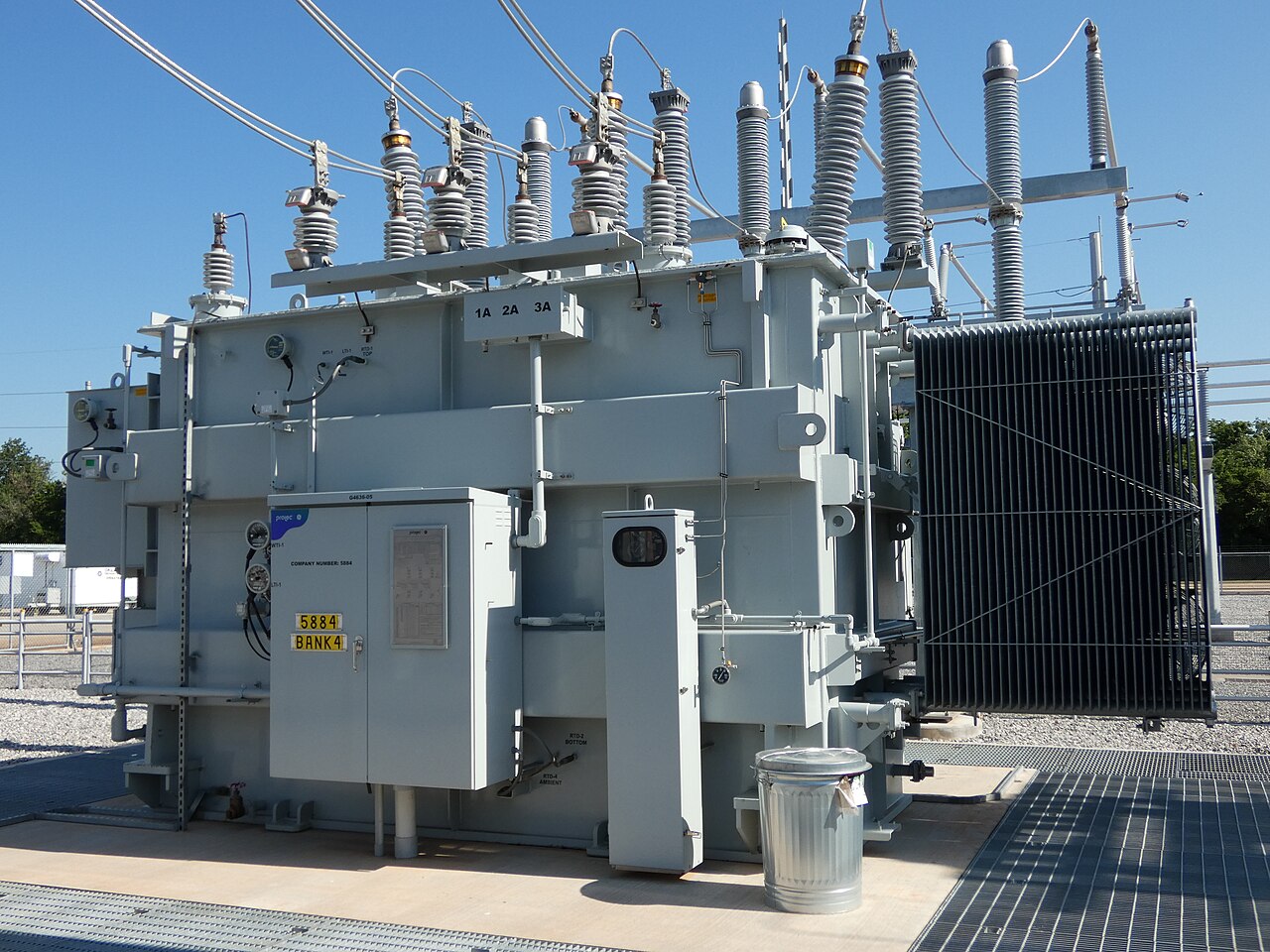
A newly issued executive order by President Donald Trump restricts foreign-made electrical infrastructure across the United States bulk-power system, taking direct aim at equipment connected to entities in 24 embargoed nations. The action targets high-voltage hardware including transformers, utility-scale inverters, circuit breakers, energy storage systems, and industrial control electronics, citing concerns over potential remote access, cyber vulnerabilities, and grid disruption.
While the executive order technically applies to transactions initiated after Aug. 26, 2026, Norton Rose Fulbright noted in its analysis that equipment is not formally barred until the U.S. Department of Energy (DOE) evaluates specific vendors and issues official risk determinations.
The DOE has 120 days (until Dec. 24, 2026) to publish formal rules implementing the policy. However, the agency is instructed to make recommendations to the National Security Council to isolate, monitor, or replace sensitive infrastructure as soon as practicable.
According to law firm Norton Rose Fulbright, the executive action applies broadly to foreign-produced equipment used in substations, power generation facilities, and control rooms tied to the bulk-power system. While transmission lines rated at 69 kV or higher are explicitly included, the order also covers generation assets necessary to maintain overall power system reliability.
The specific hardware covered spans power conversion and storage, substation and transmission equipment, and generation and control systems. This includes utility-scale and grid-connected inverters, battery energy storage systems, and uninterruptible power supply (UPS) units. It also encompasses substation transformers, high-voltage circuit breakers, voltage regulators, capacitors, instrument transformers, and automated reclosers. In addition, the scope covers industrial and distributed control systems, remote terminal units (RTUs), programmable logic controllers (PLCs), generation turbines, and their associated software and firmware.
The order excludes residential or commercial distributed energy assets that connect solely to local low-voltage distribution lines.
Restrictions apply to equipment designed, manufactured, or supplied by vendors tied to 24 designated sanction- and arms-embargoed countries under U.S. International Traffic in Arms Regulations (ITAR).
While the list includes nations such as Iran, Russia, and Syria, China represents the primary commercial supplier affected across solar, battery, and electrical component supply chains.
Norton Rose Fulbright noted that the DOE may establish a pre-qualified vendor white-list or create a licensing framework for utilities seeking to deploy sensitive components. Regulatory mechanisms could also force asset owners to isolate, monitor, or remove previously installed gear, though any mandate would likely be phased in to maintain grid stability.
According to Norton Rose Fulbright, the executive order adds another layer of regulatory complexity for clean energy developers already navigating Foreign Entity of Concern (FEOC) restrictions, domestic content rules, Section 45X manufacturing credits, and import tariffs.
This content is protected by copyright and may not be reused. If you want to cooperate with us and would like to reuse some of our content, please contact: [email protected].

Please login to comment