‘It looks like there could be an undersupply of the highest efficiency’

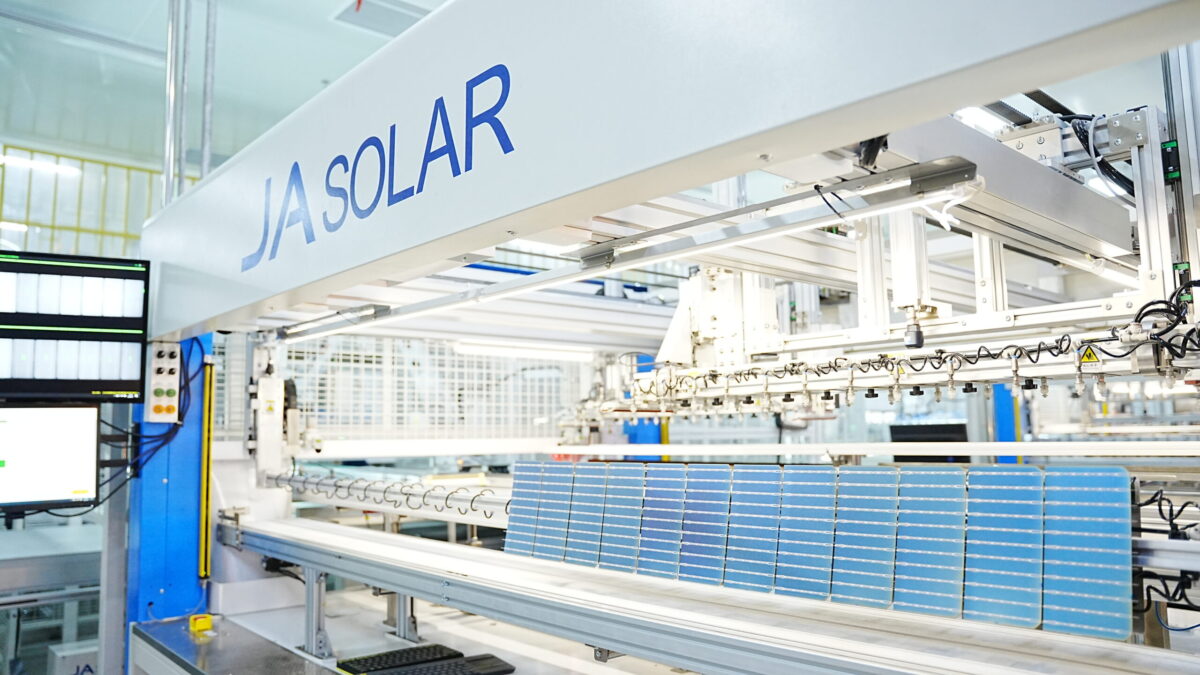
Module manufacturers can make money in Europe, according to JA’s new VP for the European market, despite ongoing manufacturing oversupply applying downward pressure on prices.
“The reality is that there are more modules on sale than the world needs,” Alastair Mounsey told pv magazine. “A lot of customers would like TOPCon 3.0 or back-contact modules, but there will not be enough of those because the machinery required to produce them represents a serious investment.”
Mounsey has worked for JA for 15 years and has been in his new post as VP for Europe since January 2026. The VP takes on the role at a time of transition for JA, which recently rebranded from JA Solar.
Change for JA has been incremental, rather than a radical departure according to Mounsey, whose own transition saw him step up from a regional sales director role responsible for the United Kingdom, Ireland, France and southeast Europe.
In addition to a new name, JA is in the middle of a manufacturing line switch from their DeepBlue 4.0 technology to their newer DeepBlue 5.0 technology. The company’s DeepBlue 4.0 modules are still in mass production, with over 40 GW capacity in June – December 2026 according to Mounsey, while JA is expected to produce over 10 GW of its DeepBlue 5.0 modules in 2026 – with the latest iteration to then account for the majority of the company’s module manufacturing in 2027.
DeepBlue 5.0 modules use the manufacturers Bycium+ 5.0 cell technology, and JA reports the latest iteration offers more power, a better temperature coefficient (-0.26%/C), and for the JAM66D50 variant, better bifaciality at 85%. The module range comprises four models, ranging from 495 W to 670 W.
Bringing a new module to market is a process that might start with R&D but the sales team plays a key role. Being comfortable with change is critical in the solar industry, where product lifecycles can be relatively short, according to Mounsey.
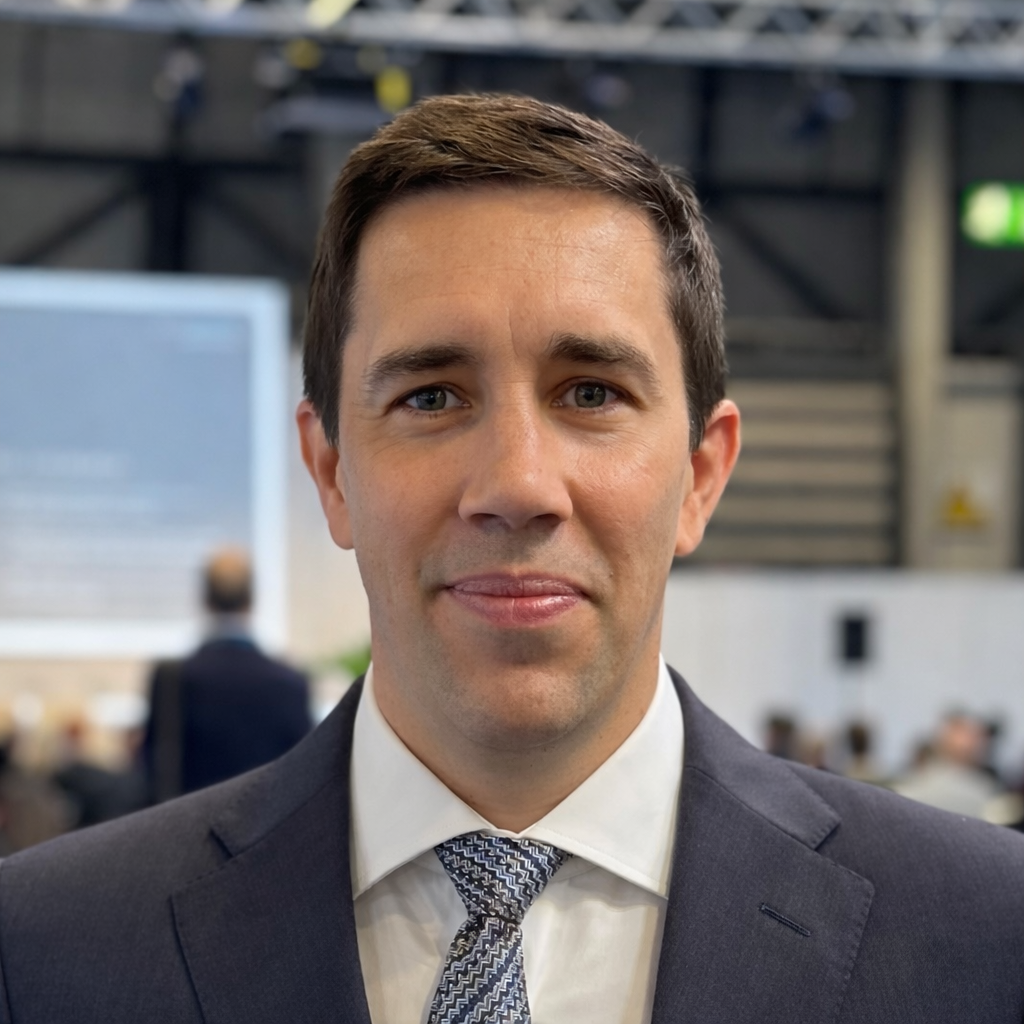
“For a PV salesperson, our job is managing change because it’s constant. It’s what we do,” he said.
That process can start early, communicating upcoming launches with distribution partners in Europe and involving regular feedback loops between the pre-sales technical team in Europe and colleagues in China. Although Mounsey acknowledged that the market only takes new product seriously once they’re fully certified to IEC standards and a PAN file exists for utility-scale simulation.
It’s necessary work, however, as next-generation, high efficiency modules are less influenced by the oversupply dynamic that is hurting the PV industry’s profits, according to Mounsey, who noted the limited number of manufacturers who have invested in lines that can produce modules offering the highest levels of efficiency.
“Let’s see what the market does, but it looks like there could be an undersupply of the highest efficiency.”
High quality is key to JA’s European strategy, Mounsey said, adding that the company has not been tempted to cut corners in to preserve margin in a low-cost environment. “We just need to get used to a low margin situation on the PV side,” he said, adding that JA’s strategy is focused on clients who demand quality. “We’re not jumping on every deal,” he said. “We provide quality products and we want quality clients.”
That requires boots on the ground, and Mounsey now heads a European team of roughly 200, covering everything but IT. The organization is split by region, not business line, and local market knowledge would seem to be key to securing volume sales in Europe.
Mounsey described Germany, Spain and the United Kingdom as core markets for JA but also highlighted Eastern and Southeastern Europe as growth markets. The Balkans and Greece may have lower volumes, but they offer potential to achieve a high market share.
Ukraine has its own distinct trajectory, Mounsey explained, with near-term PV and battery demand tied to the war and winter energy needs. However, a longer-term rebuild should come, and hopefully soon, with solar likely to play a key role.
Energy storage represents the other opportunity for the rebranded JA and here, Mounsey said the company has already made progress. JA has sought to transfer the credibility of its solar brand into the energy storage category and has already installed and commissioned projects across European countries such as the Netherlands, Italy, Germany, Ukraine and Hungary, with a pipeline in Croatia and the United Kingdom.
Roughly half of those JA energy storage sites are co-located with PV, and the rest are standalone. The co-located segment would appear to be a significant opportunity for brands offering solar and energy storage, however, as Mounsey noted that there is a clear buyer trend toward dealing with one counterparty supplier.
For the utility scale segment, JA is currently offering its JAGalaxy BESS product range which includes 5 MWh and 6.26 MWh containers, with a new generation in development. The C&I segment is served by the 261 kWh JAPlanet battery cabinet, and Mounsey reported sales volumes of the product launched in May have been strong.
“We’re selling hundreds of units of the JAPlanet,” he said.
The future for JA will to some extent involve more of the same. The manufacturer is of course keen to grow its energy business and for solar, Mounsey sees more innovation and continued incremental progress.
On the solar technology front, JA has innovated outside of its usual TOPCon patch and Mounsey highlighted the manufacturer’s HyperGen back-contact module – which set a 28.2% module efficiency record in June – as an example of innovation for the rooftop segment. But the Europe VP added he views TOPCon as the superior utility-scale technology.
“We are a TOPCon company and any back-contact type technology will only be part of the market share for us,” he said.
This content is protected by copyright and may not be reused. If you want to cooperate with us and would like to reuse some of our content, please contact: [email protected].

Please login to comment