California enacts plug-in solar bill, creating largest US balcony solar market

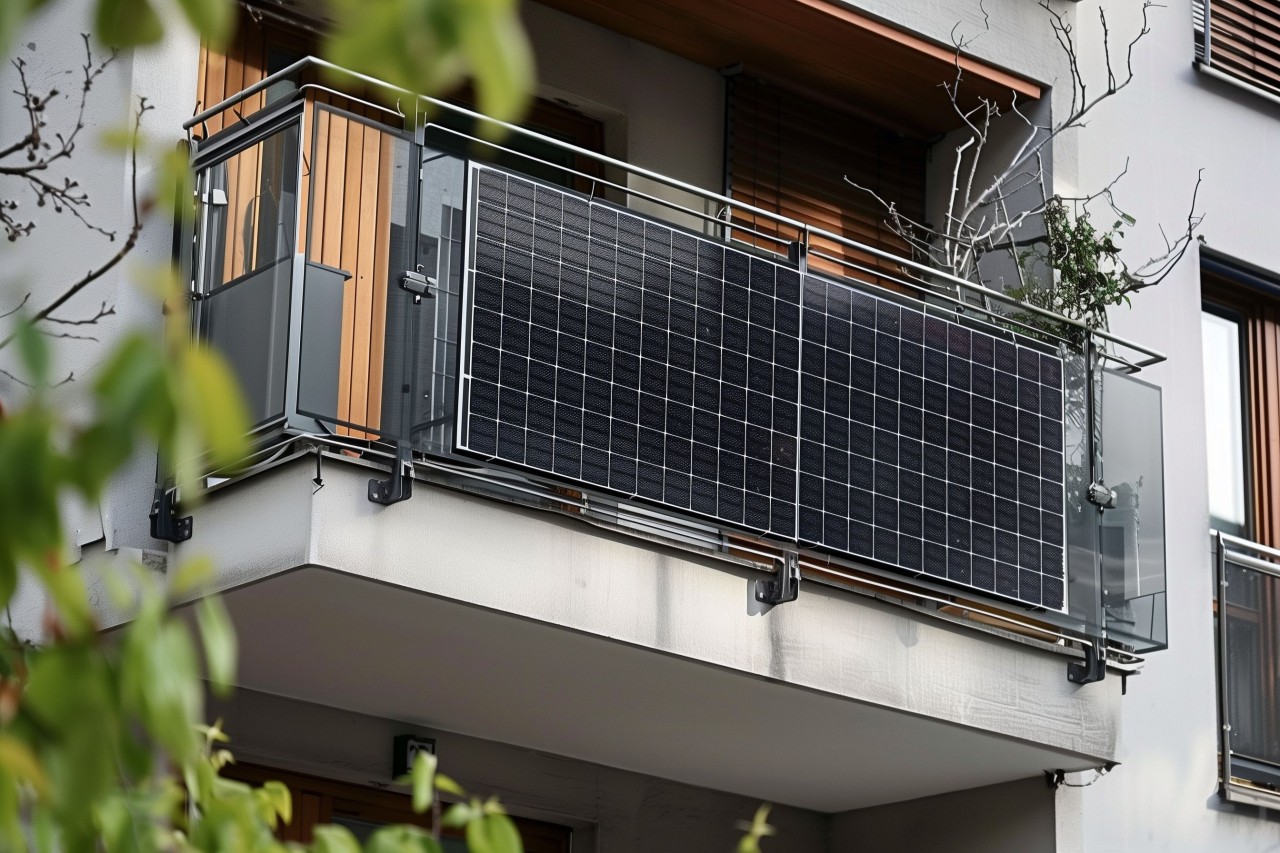
California is used to setting the pace for the rest of the nation when it comes to solar policy. But on the last day for the governor to act on bills passed during the 2026 legislative session, the state found itself very near the end of the first wave of plug-in solar laws in the United States.
Senate Bill 868, informally known as the “Plug Into the Sun Act,” was first introduced in the state legislature in January by Senator Scott Wiener, who represents California’s 11th state district, covering all of San Francisco and parts of northern San Mateo County.
The law, which takes effect on Jan. 1, 2027, defines “portable solar generation devices” as photovoltaic devices designed to be connected to a building’s wiring through a receptacle and offset onsite electricity consumption. The law says a single dwelling can have devices with total AC output of no more than 1,200 watts, which must be certified by UL or an equivalent testing laboratory.
The law will exempt these devices from utility interconnection requirements, and bar utilities from charging any fees or requiring their customers to obtain permission to use the devices.
“Electricity costs have reached ridiculous levels here in California, and now that the Plug and Play Solar Act is law, Californians have a much-needed tool to provide relief,” said Wiener in a statement celebrating the bill’s passage. “These small, easy-to-use solar panels will give everyone, including renters, the relief they desperately need on our outrageous energy bills. It’s time to put money back in the pockets of Californians,” he added.
Learn more about plug-in solar from expert panelists at our upcoming pv magazine USA Week live webinar event on October 21.
Riding the plug-in wave
SB 868 was one in a number of bills introduced in state houses across the country that sought to enable the use of plug-in devices (often called “balcony solar” because of their frequency use by apartment dwellers with limited outdoor space).
In total, 35 states considered plug-in solar laws in 2026, following the successful passage of the nation’s first solar law — Utah’s HB 340 — in 2025.
In addition to the Utah law, bills in eight other states were passed and signed into law prior to Governor Newsom’s approval of the California bill on Sept. 30. The SUNNY Act, a plug-in solar bill approved by the New York state legislature in June, still awaits the signature of Governor Kathy Hochul.
Among the organizations pushing for the passage of SB 868 were the Environmental Working Group (EWG), California Solar and Storage Association (CALSSA), the Sierra Club, and Bright Saver, a nonprofit based in the Bay Area, which has advocated for plug-in solar rules nationwide.
“This new law will deliver cleaner power, greater energy independence and real savings for consumers,” said Bernadette Del Chiaro, EWG’s senior vice president for California. “We applaud Sen. Wiener, Gov. Newsom and the many elected leaders who helped make this commonsense clean energy solution a reality.”
Brad Heavner, executive director of CALSSA said “We applaud Gov. Newsom for approving the use of Virtual Power Plants to reduce the need for utility expenditures. These new tools will make energy more affordable for everybody by getting more usage out of the infrastructure that Californians have already paid for.”
Opening the California plug-in solar market
While California may not have been first past the post with its plug-in solar law, SB 868 still represents a huge win for plug-in solar advocates. California is the nation’s most populous state, with millions of renters and condo dwellers, and it receives ample solar radiation across its most densely-populated areas.
Put another way, the Golden state represents a golden opportunity for companies that make and sell small solar generation devices designed to be installed without a permit or utility interconnection agreement.

One company offering plug-in solar solutions is EcoFlow, whose STREAM series plug-in solar solution has been very popular in Utah.
“This is a huge win for California renters, condo owners and anyone who wants an affordable, simple path to more energy independence,” EcoFlow head of communications Ryan Oliver told pv magazine USA. “By creating a clear, streamlined framework for plug-in solar systems, California is proving that renewable power can be as simple as plugging into an outlet. We look forward to helping millions of households across the state take control of their power, lower their monthly electric bills and build a more resilient grid.”
Bright Saver has actually been selling plug-in solar devices to Californians for more than a year — most recently announcing the sale of plug-in solar kits at what it costs them to obtain and ship them — operating in something of a legal grey area to prove the technology’s safety and usefulness as it pushed for rules to be established. But Bright Saver’s founders are happy to go legit.
As Kevin Chou, one of the nonprofit’s co-founders told pv magazine USA: “When we started Bright Saver 21 months ago, one of the most experienced clean energy policy experts in Sacramento told me a California plug-in solar law would take three to five years, optimistically. Plug-in solar is so easy to understand that it only took one legislative session.”
However, Chou also pointed to a bit of a shadow that overhangs SB 868, noting “the utilities got a 2030 sunset into the bill.”
The sunset provision would repeal the rules exempting plug-in solar devices from interconnection requirements and barring utilities from requiring citizens to obtain permission to install and use the devices. This provision was a last-minute addition slotted into the bill in August by the Assembly Appropriations committee, before the bill headed to the floor for a final vote.
Chou is confident the demand for plug-in solar will make it difficult for legislators to allow the repeal to stand. “The way we beat it is to put plug-in solar on so many California balconies by then that no legislator will vote to take it away,” he said.
This content is protected by copyright and may not be reused. If you want to cooperate with us and would like to reuse some of our content, please contact: [email protected].

Please login to comment
This is great for allowing renters access to solar panels, but sadly, the implementation of getting solar to work for them is all screwed up!!! First there is no net metering so you’re basically not allowed to export the solar from your house because you will get zero credit!!! How’s that supposed to help a renter or anyone else??? Second issue they never actually thought about… The plug and solar is going to one outlet, one half of a split phase system… The other half of the house not on that circuit is not going to benefit from the solar production!!! The third problem because of the smart meter on all people’s homes… If you do attempt even by accident to export solar the meter is going to read it as consumption and charge the customer for the production of power, and their bill will unexpectedly go up!!!
Sadly the politicians have put this through didn’t really think it through!!!