Grid expansion, storage, flexibility lag behind Europe’s renewables growth

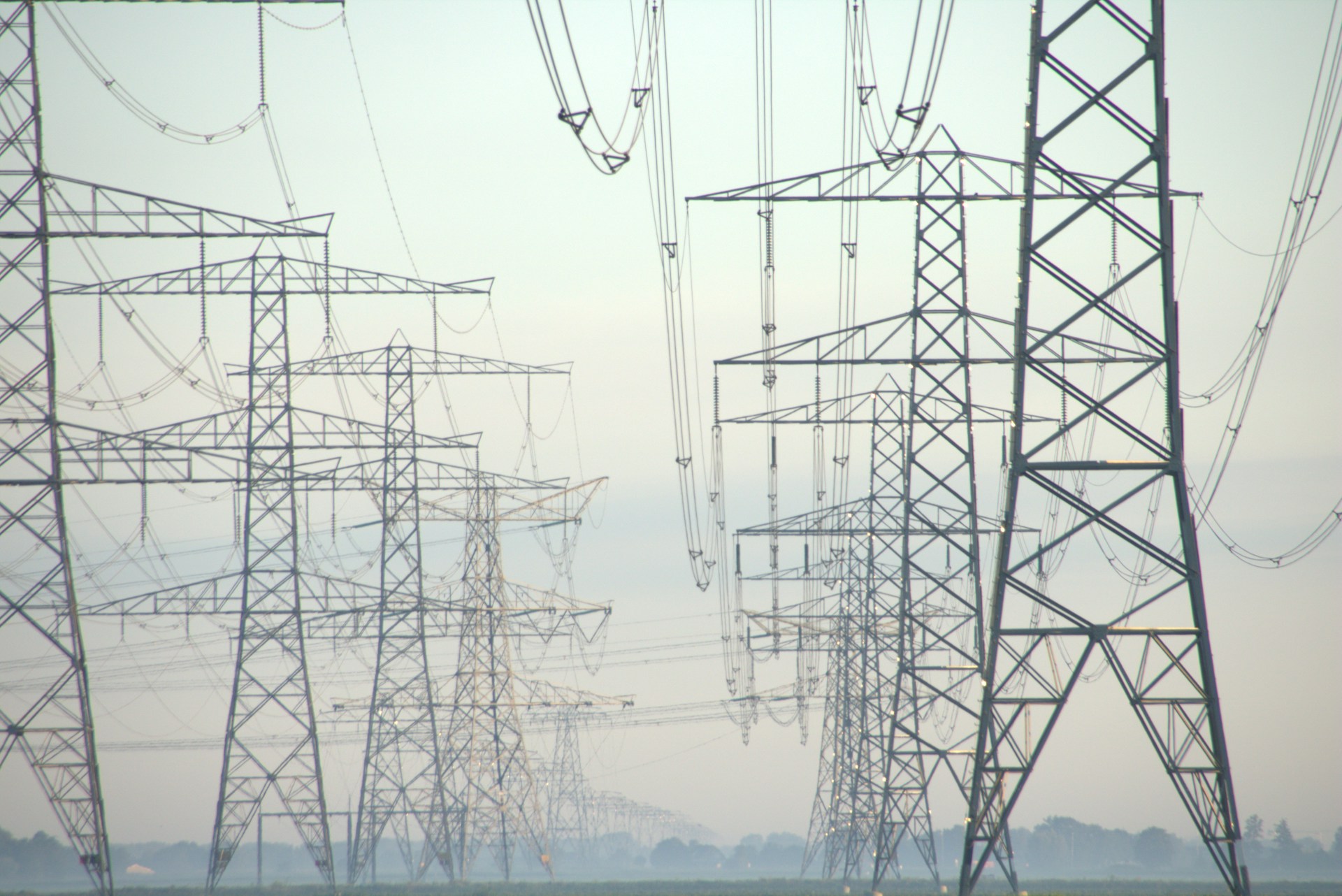
Grids, storage, flexibility and demand-side electrification are not keeping pace with Europe’s growing renewables fleet, according to a new report by the European Climate Neutrality Observatory (ECNO).
The thinktank’s 2026 flagship report assesses Europe’s progress toward climate neutrality across key sectors. It found that variable renewables, consisting of solar and wind energy, reached 30% of EU electricity generation in 2025 but says their share rose “far too slowly” between 2020 and 2025 to remain on track towards a targeted 58% share by 2030, a benchmark identified in the European Commission’s impact assessment as the level consistent with its proposed 2040 climate target.
Curtailment and flexibility limitations are highlighted as key reasons as to why the share of variable renewable electricity is rising slower than installed capacity figures would suggest.
“Our analysis points to the need for faster and better coordinated grid expansion, including shorter grid connection times, so that renewable electricity and electrification projects are not delayed by infrastructure bottlenecks,” Eike Velten, Director of the Climate Programme at Ecologic Institute and lead author of the report, told pv magazine. “This should cover distribution grids explicitly, not only transmission grids.”
Findings in the report add that while grid investments have increased since 2020, they are not growing fast enough. It says that in the distribution grid alone, annual investment growth of between 12% to 25% is needed.
ECNO’s report explains that the framework for grids remains fragmented across the EU, national regulatory and member state competences, with financing and planning decisions largely in the hands of member states.
It adds that EU recent guidance and legislative proposals covering faster procedures for grids and storage, alongside tariff design that incentivises end-use flexibility, are “important but not yet enough”.
“The planned 2026 White Paper on electricity market integration will be important for advancing EU market integration, improving the integration of renewables and flexibility, and reducing system costs,” the report continues. “At the same time…member states need to urgently align grid planning with renewable deployment, accelerate permitting and invest in transmission and distribution.”
Smart meter roll-out across Europe is also lagging, the report adds, blocking end users from demand-side flexibility. The report urges member states to complete smart meter deployment alongside introducing dynamic tariffs and removing barriers for small actors and aggregators. “Only the combination unlocks meaningful demand-side flexibility,” it says.
Velten told pv magazine EU member states need to ensure timely and effective implementation of smart meters so consumers and businesses can shift electricity use to times when renewable power is available and electricity prices are low.
“This should be linked to dynamic tariffs which should be made available by now by member states but cannot be used if they have no smart meters installed,” he added.
While battery storage capacity across Europe is increasing, the report says the growth remains below what the European Commission expects to be required by 2030. According to capacity-market data from 2020-2024, fossil capacity, and in particular gas, increased much faster than demand response and battery storage.
“A more positive development is visible since 2023, with renewable and battery capacities growing more strongly than fossil capacities,” the report continues. “Still, many capacity mechanisms still favour gas plants which are better placed to meet adequacy requirements, while batteries are not yet rewarded at the scale needed to shift flexibility provision decisively away from fossil fuels.”
Velten said that strengthened support schemes for non-fossil flexibility are needed, including battery storage, to better integrate renewables into the power system. “Capacity mechanisms should allow and promote storage and demand response,” he told pv magazine.
Earlier this year, a report from Ember found major grid bottlenecks in transmission and distribution networks across Europe, with a shortfall of around 120 GW between planned renewables expansion and available grid capacity across the majority of EU member states.

Please login to comment