Longi starts 21 GW production of copper-metallized back-contact solar cells

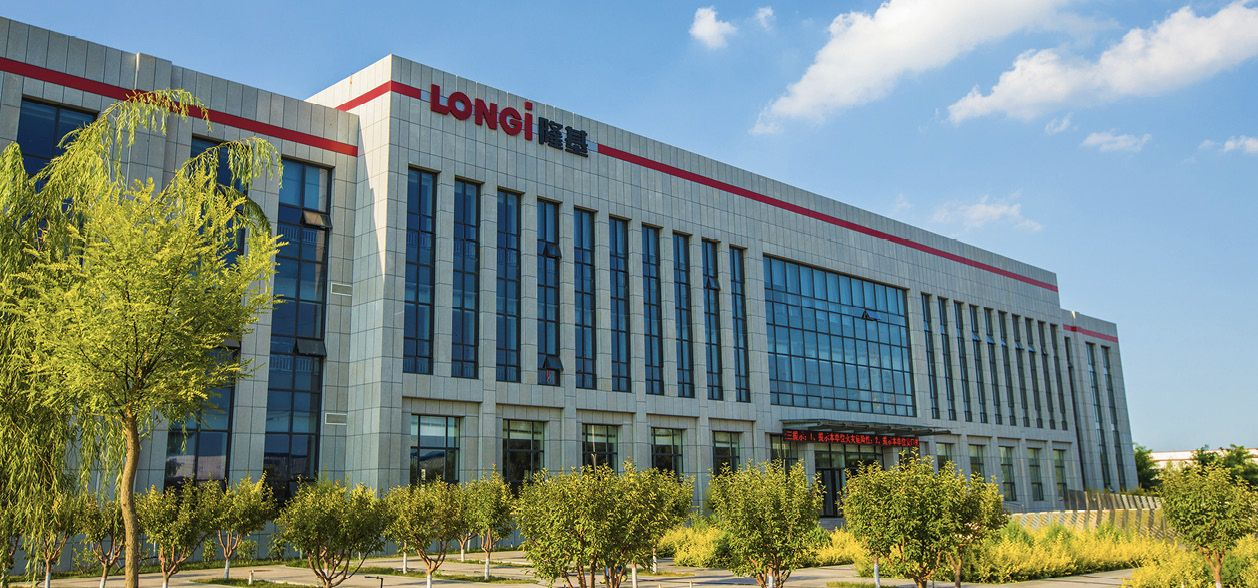
Chinese PV manufacturer Longi has started production at a 21 GW back-contact (BC) cell manufacturing line at its Xixian production base in Shaanxi province, China. The project represents the first gigawatt-scale production deployment of Longi’s Alloy Contact Matrix (ACM) metallization technology.
The company describes the ACM metallization approach as a way to replace conventional silver paste with a copper-based alloy contact system. The company says the technology can enable the complete removal of silver from BC cells through the use of a nanoscale barrier layer, a copper-based alloy material and a matrix-style point-contact structure.
The barrier layer is designed to prevent copper diffusion into the silicon wafer, addressing a key reliability challenge associated with copper metallization. The alloy formulation is intended to improve oxidation resistance and enable integration into standard screen-printing and firing processes, avoiding the need for separate copper electroplating equipment, the manufacturer said.
Longi also explained that the matrix contact structure reduces the metal-silicon contact area, which is intended to lower recombination losses while reducing metal consumption. The technology is claimed to be particularly suited to BC cell architectures, where all electrical contacts are located on the rear side of the cell. This design provides greater flexibility for alternative metallization approaches compared with conventional front-contact cells, where narrow front gridlines require high conductivity and minimal optical shading, the company stated.
According to Longi, ACM cells have achieved a conversion efficiency of 27.6%, as certified by Germany’s Institute for Solar Energy Research Hamelin. Modules based on the technology have reached a power output of 672 W in certification tests conducted by TÜV Rheinland.
Longi said the introduction of ACM into mass production has increased cell conversion efficiency by 0.2 to 0.3 percentage points compared with its previous-generation process, while increasing module output by 3 W to 5 W.
The main commercial driver for ACM is expected to be cost reduction rather than efficiency gains, as silver paste remains one of the largest non-silicon cost components in high-efficiency BC cells. By replacing silver with a copper-based alloy, Longi aims to reduce exposure to silver price fluctuations and improve the competitiveness of BC modules against mainstream n-type products used in utility-scale applications.
The manufacturing process is also designed for industrial compatibility, according to the company. Unlike copper electroplating, ACM relies on printing and firing processes, which could lower equipment adaptation costs for existing BC production lines.
Longi has not disclosed production yield data, detailed reliability results or long-term outdoor performance results for the new 21 GW facility. It said, however, that these factors will be closely monitored as copper-based metallization technologies move toward large-scale commercial deployment, particularly regarding long-term resistance to oxidation, diffusion and electromigration over a typical 25- to 30-year module lifetime.
The company announced plans to shift to copper-metallized solar cells in January.

Please login to comment