Research & Development

Solar R&D is focused on improving efficiency, reducing production costs, and extending system longevity. Key areas include tandem and perovskite cell development, advanced materials for encapsulation and contacts, and new concepts in system integration.
Simulation tools, AI-driven design, and accelerated testing methods are expanding research capabilities. Sustainability and circularity targets are increasingly embedded in innovation strategies.
Advertisement
Latest News
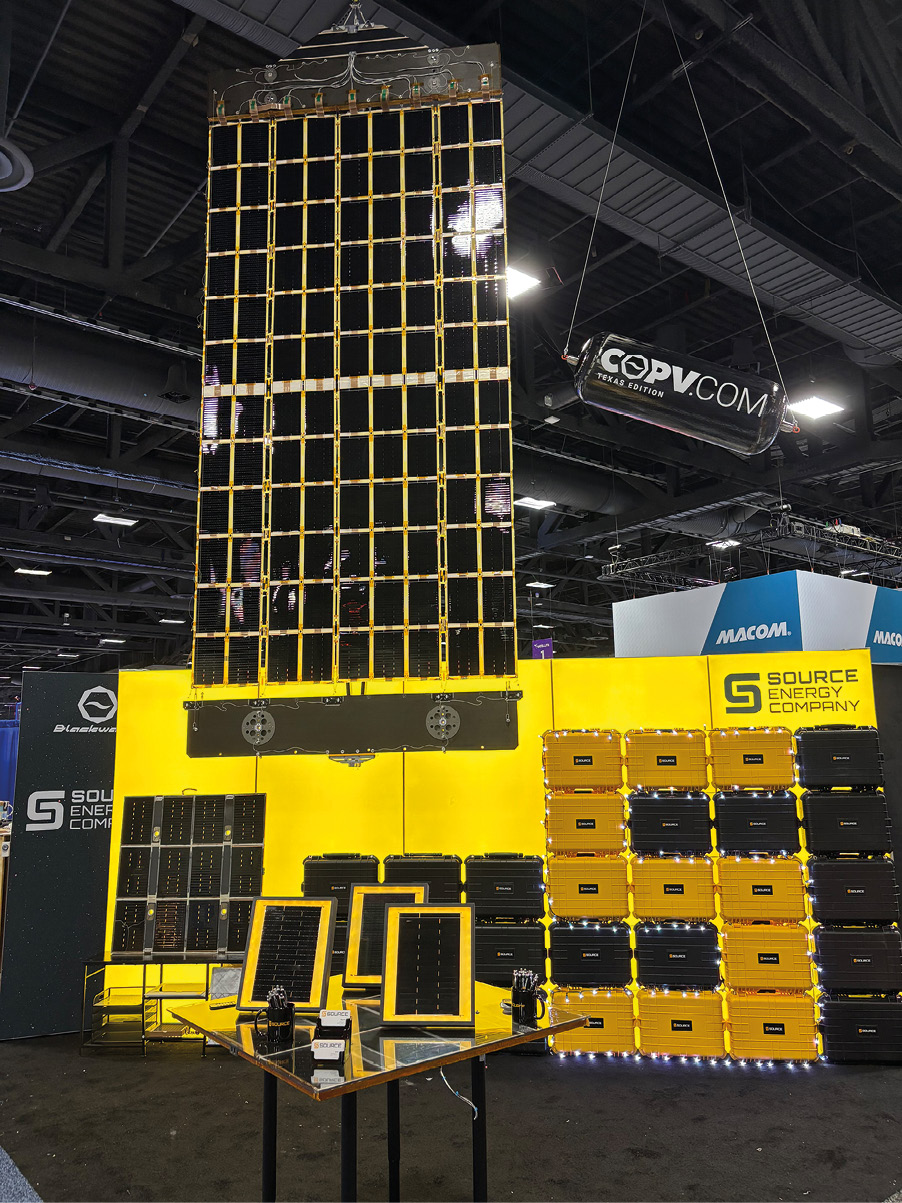
Spacebound silicon
Solar has a long history in powering satellites and space exploration, and high-powered devices based on multijunction PV cells made from “III-V” materials such as gallium arsenide or indium gallium phosphide have supplied this niche market as far back as the 1960s. But those devices are made with rare materials and complex processing, limited to small batches produced at high cost.
Oct 06, 2026
Advertisement
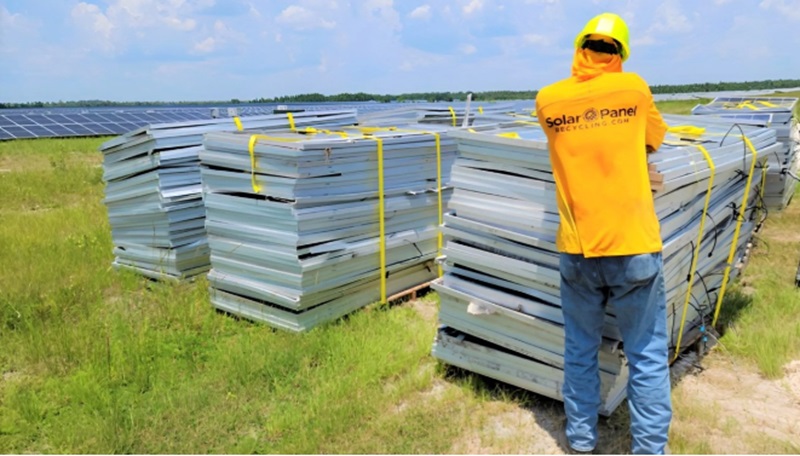
New framework identifies key costs in PV panel recycling
Researchers have proposed a decision-support framework for assessing the costs of recycling end-of-life solar panels. An expert panel assigned the highest relative importance to operations and production, followed closely by infrastructure and facilities.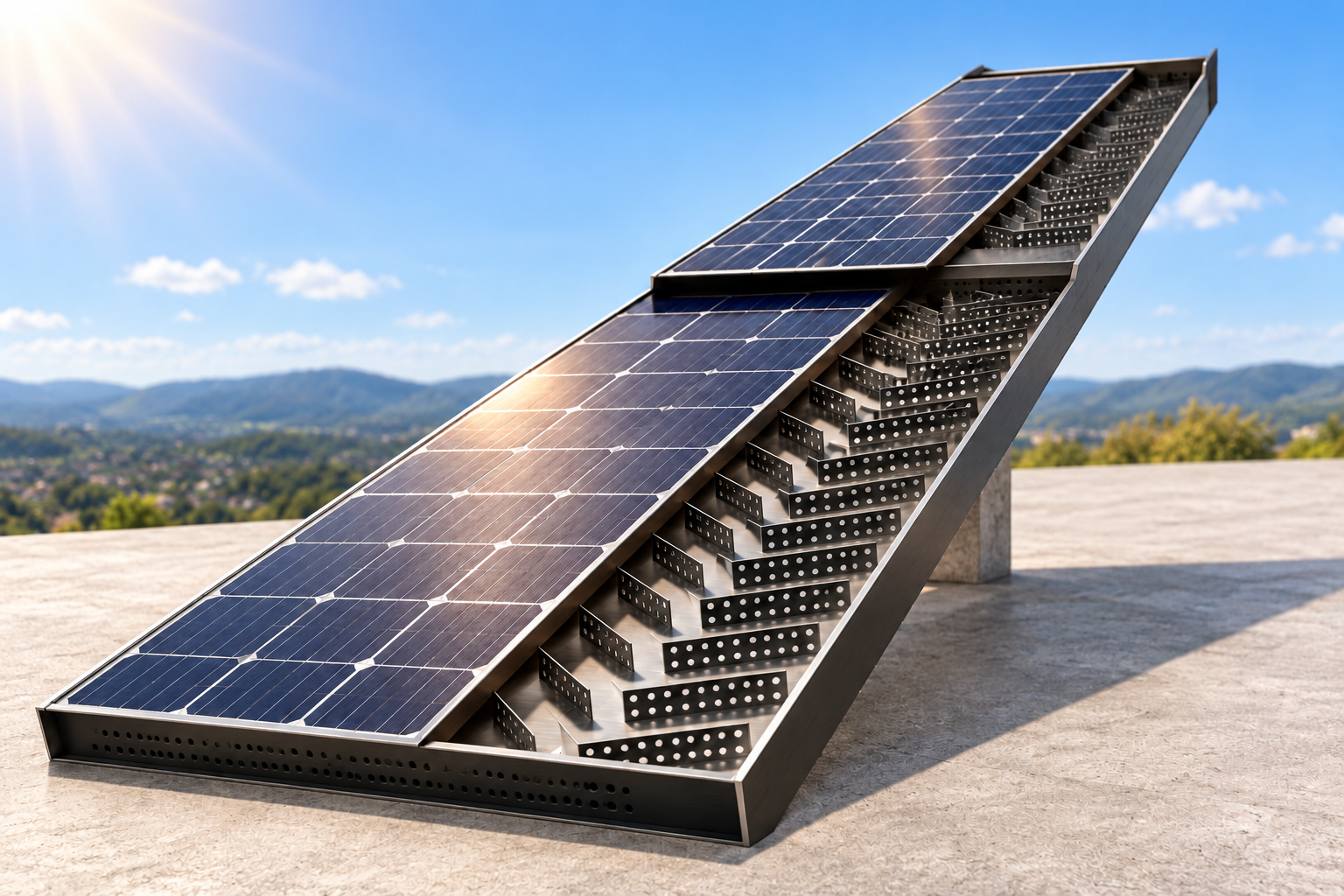
Stepped air channel, perforated fins improve passive cooling in PVT
Researchers have proposed a PV-thermal air collector that combines a stepped channel with perforated V-shaped fins to improve heat dissipation. Simulations showed that the design reduced PV surface temperature by 9 C and reached a maximum thermal efficiency of 31%.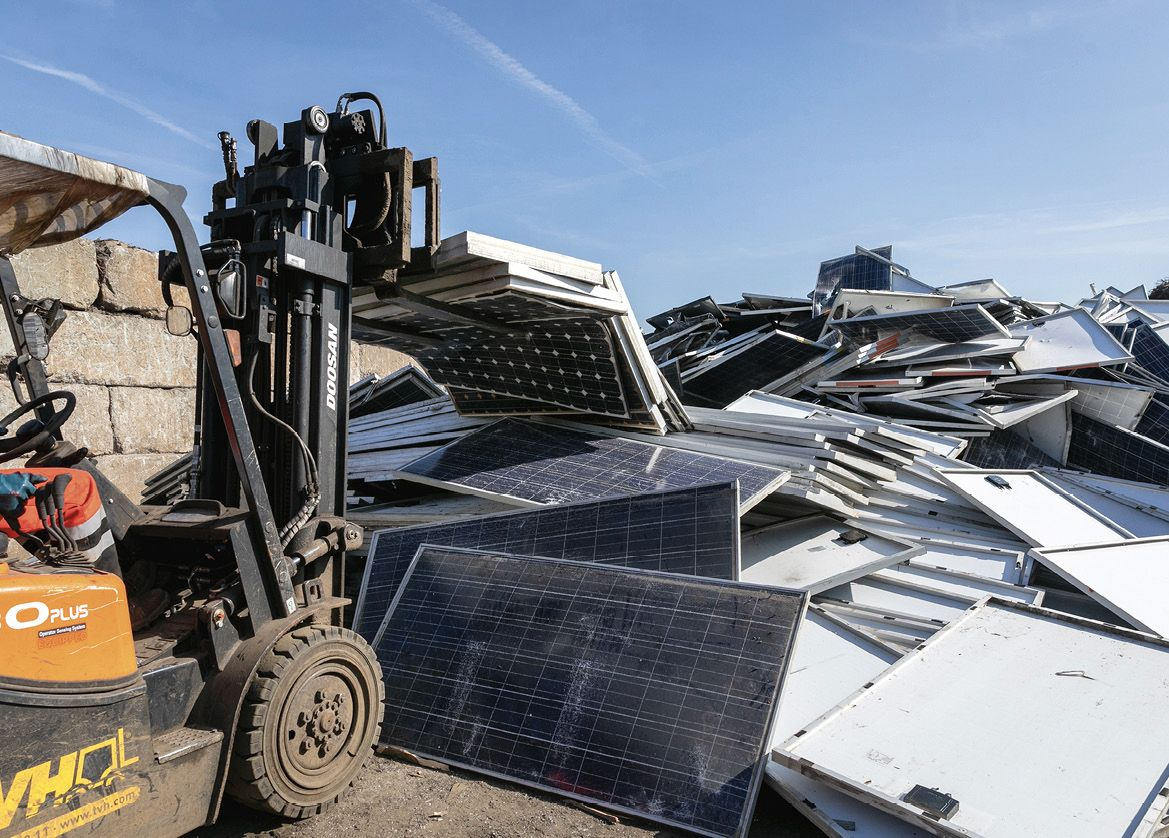
Targeted recycling of glass-glass modules trades value for lower impact
Targeted recycling of frameless, polyolefin elastomer-encapsulated glass-glass modules lowers energy use and global warming impact compared with treating the whole module, but reduces recovered material value, according to a new study, with silver dominating revenue.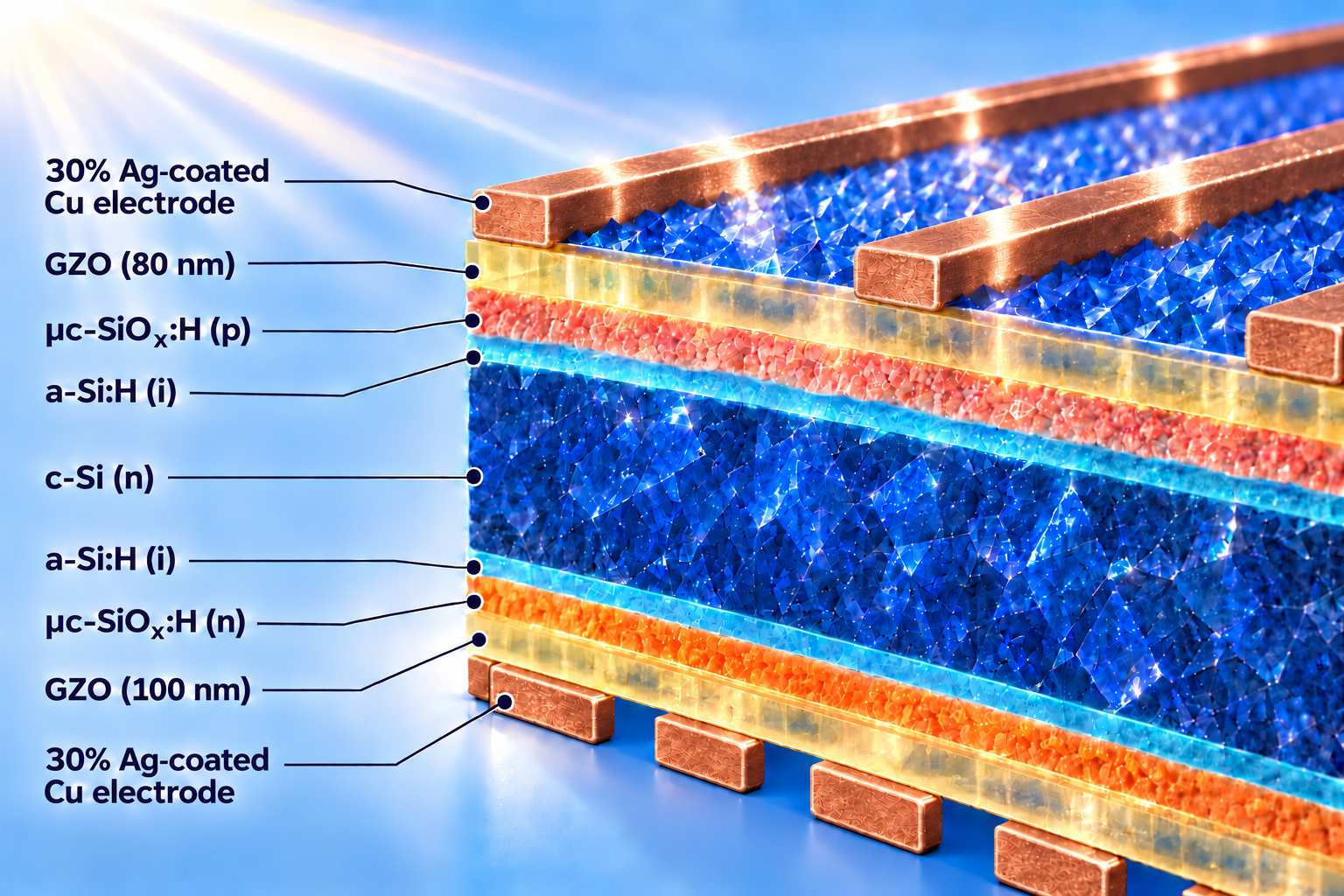
Gallium-doped zinc oxide enables 24.92%-efficient HJT solar cell
Researchers have used room-temperature reactive plasma deposition to produce indium-free transparent electrodes for silicon heterojunction solar cells. Optimizing the oxygen content during deposition enabled a conversion efficiency of 24.92%, with silver-coated copper contacts.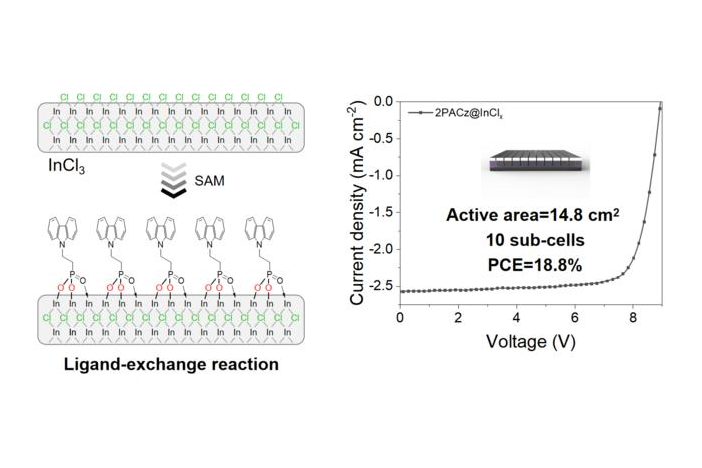
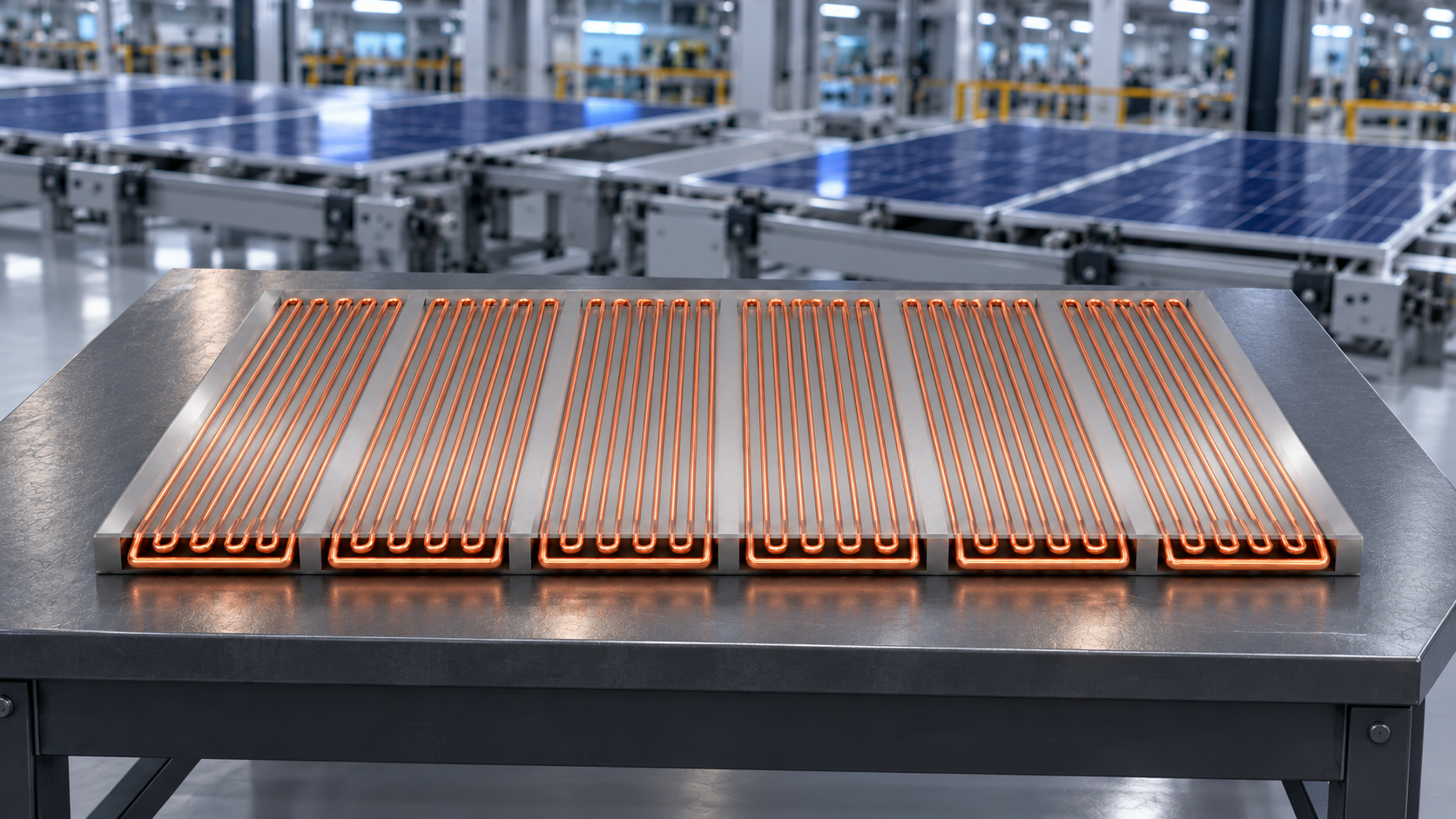
Researchers improve heating uniformity in PV module laminators
Scientists combined aluminum magnetic shielding with zone-specific current control to reduce uneven heating in an induction-powered PV laminator. A full-scale prototype achieved a temperature spread of approximately 3.1 C across 13 monitored locations.
Advertisement
Advertisement
All Research & Development news

Singapore awards part of SGD$13 million research grant to improving cell efficiency
The Clean Energy Programme Office (CEPO) has awarded research grants totaling around SGD$13 million (USD$9.4 million; 7.5 million) to five research teams under the third grant call of the Clean Energy Research Programme (CERP).
Advertisement
Drive to increase solar cell efficiency underway; results impressive
A team of University of Minnesota-led researchers has said it has cleared a major hurdle in the drive to build solar cells with potential efficiencies up to twice as high as current levels, which rarely exceed 30 percent. New solar cell designs are needed however.
Advertisement
Advertisement
Advertisement