Research & Development

Solar R&D is focused on improving efficiency, reducing production costs, and extending system longevity. Key areas include tandem and perovskite cell development, advanced materials for encapsulation and contacts, and new concepts in system integration.
Simulation tools, AI-driven design, and accelerated testing methods are expanding research capabilities. Sustainability and circularity targets are increasingly embedded in innovation strategies.
Advertisement
Latest News
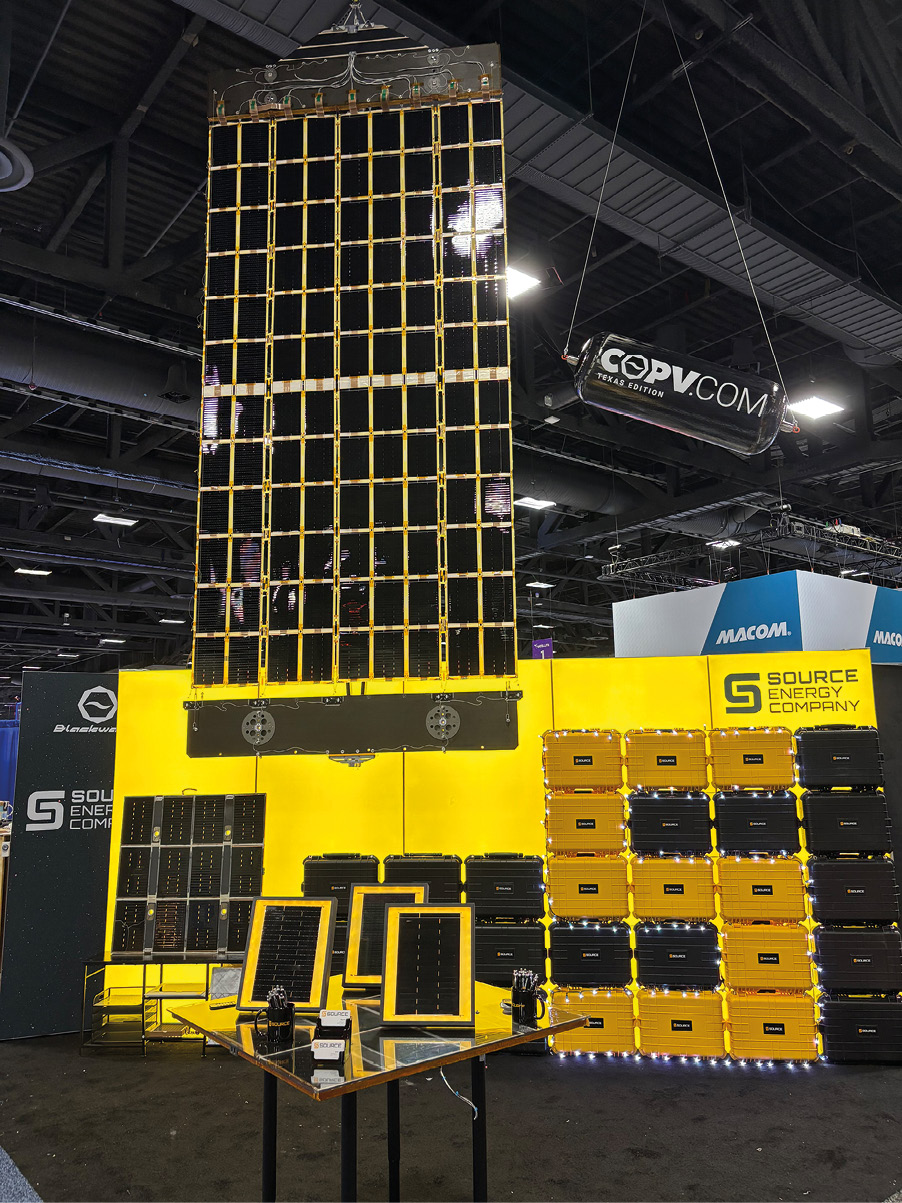
Spacebound silicon
Solar has a long history in powering satellites and space exploration, and high-powered devices based on multijunction PV cells made from “III-V” materials such as gallium arsenide or indium gallium phosphide have supplied this niche market as far back as the 1960s. But those devices are made with rare materials and complex processing, limited to small batches produced at high cost.
Oct 06, 2026
Advertisement
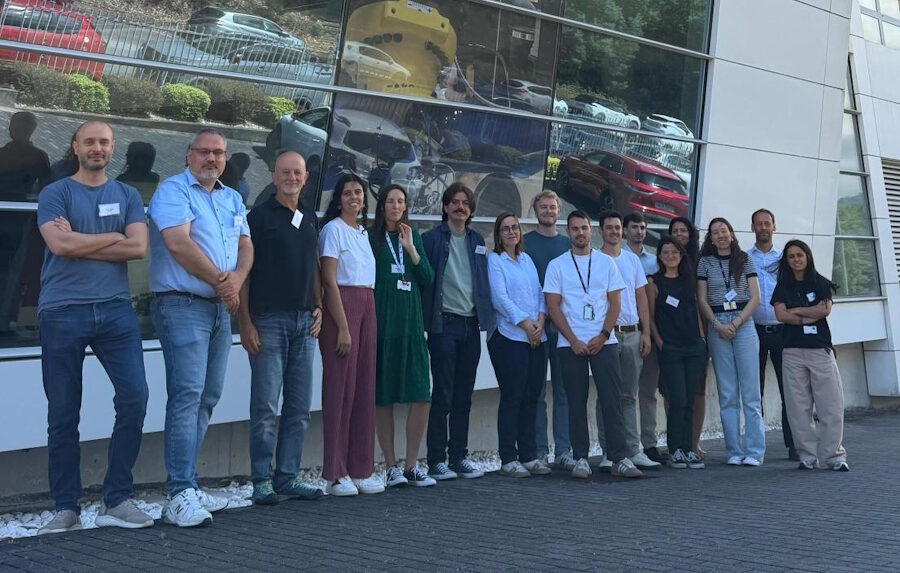
Glass-free European photovoltaic modules for vehicles, noise barriers and boats
A European research consortium is developing glass-free photovoltaic modules using fiber-reinforced polymer composites. The technology could enable lighter solar modules for curved and complex surfaces, including vehicles, ships and infrastructure. The project aims to demonstrate industrial feasibility by May 2029.
Hemispherical perovskite solar cell design reduces sensitivity to sunlight angle
Chinese researchers have designed a hemispherical perovskite solar cell with a textured surface to improve light absorption and reduce sensitivity to sunlight incidence angles. Simulations showed absorption exceeding 95% and an average maximum power output of 28.25 mW/cm² across incidence angles of 0° to 50°.
Panasonic begins sales of glass-based perovskite solar panels
Panasonic began commercial sales of its glass-based perovskite solar panels in September 2026, ahead of the planned launch of full-scale mass production in April 2029. The initial products are manufactured at the company’s development facility in Moriguchi, Osaka Prefecture.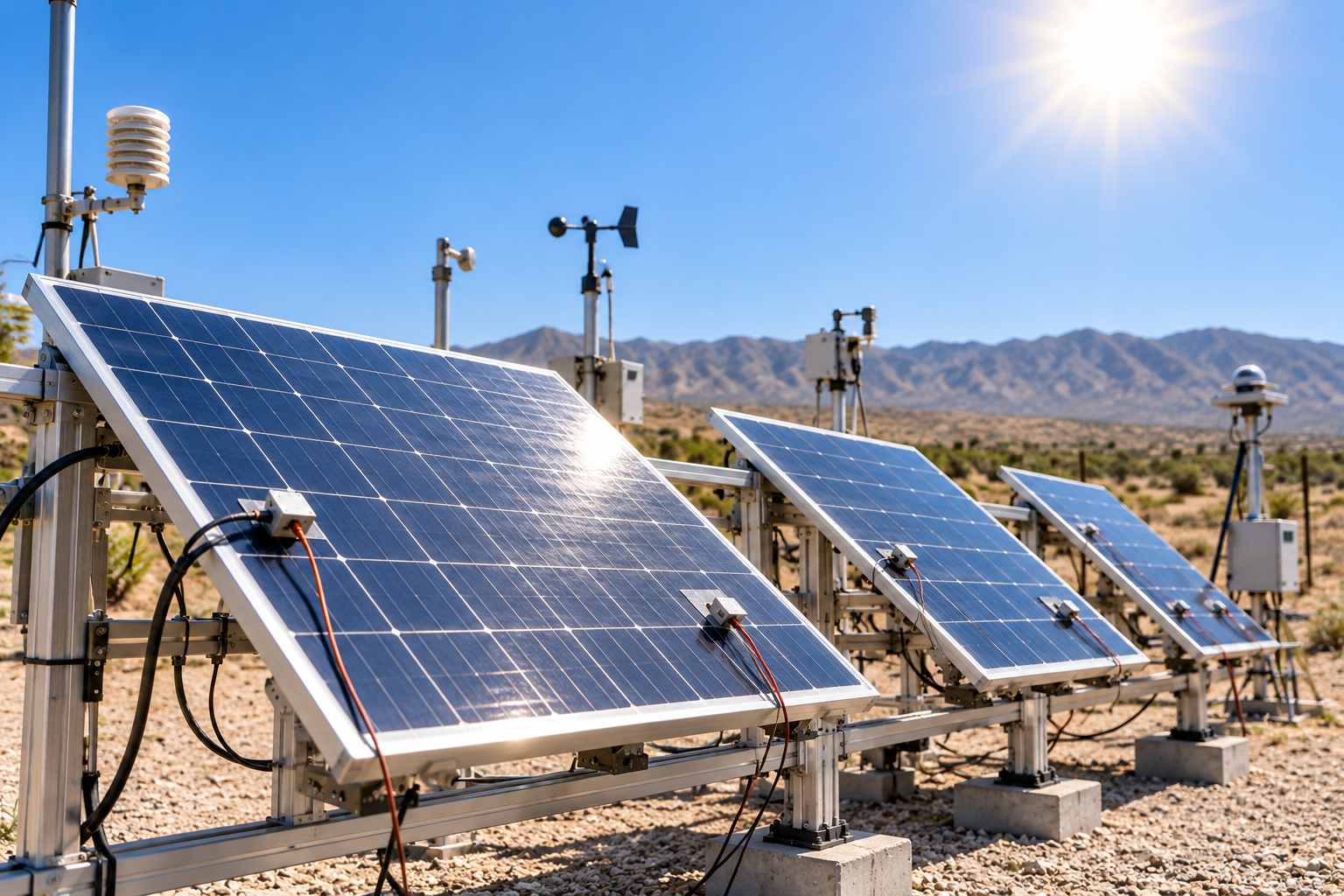
Tin-modified nanotube gel reduces solar cell temperature by 9.5 C
Researchers in India have developed a reusable tin-modified carbon nanotube gel that reduces solar cell operating temperatures by 9.5 C and improves power conversion efficiency. The gel maintained its cooling performance after 40 days of testing and could be reused following a simple water-soaking process.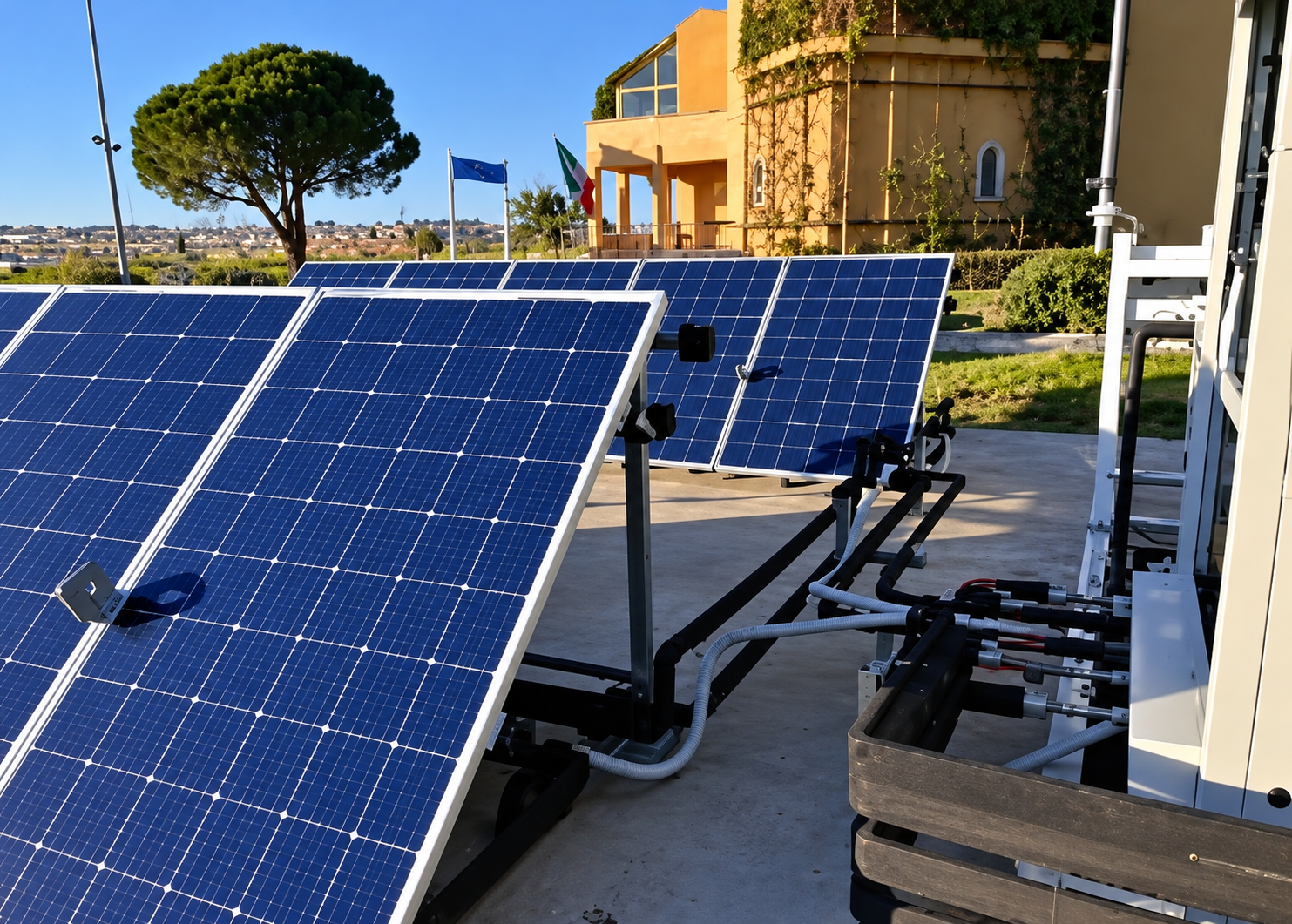
Solar-assisted CO₂ heat pump achieves 18.7% COP increase as irradiance rises
Researchers in Italy have tested a 10 kW dual-source heat pump using CO₂ as a refrigerant and air or photovoltaic-thermal collectors as heat sources. The results show that solar operation can improve heating performance under favorable irradiance conditions, while an optimized source-switching strategy delivers modest annual electricity savings.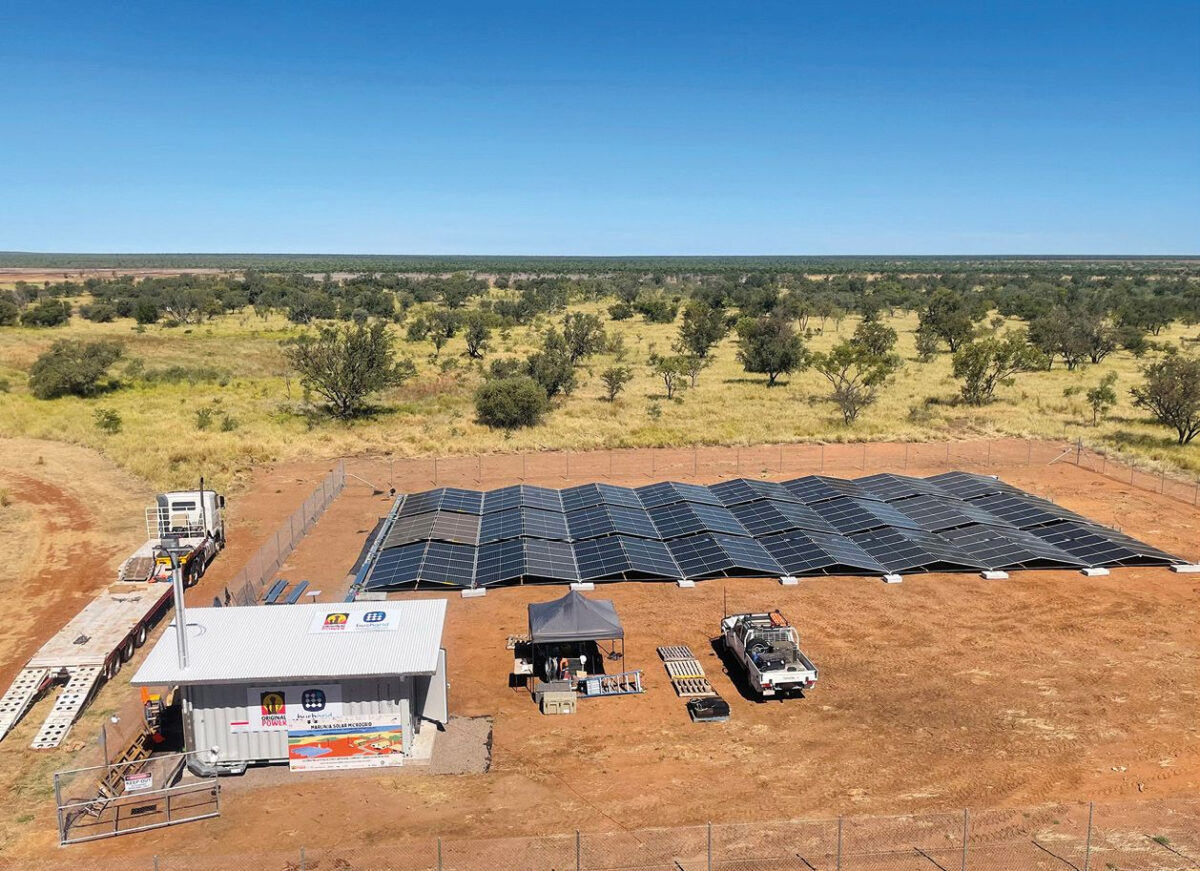
UNSW researchers find east-west ground-mounted PV shows less degradation than single-axis tracking counterparts
Researchers at the University of New South Wales found that east-west ground-mounted PV systems can experience up to 40% lower rates of certain degradation mechanisms than single-axis trackers. Their simulations showed that lower operating temperatures and reduced UV exposure could improve module reliability, particularly in remote installations.
Advertisement
Advertisement
All Research & Development news

Advertisement
PV Legal launches new database highlighting "bureaucratic barriers" to PV development
The PV Legal consortium has launched an online database containing quantitative and qualitative data on project development processes and bureaucratic barriers that, they say, are hampering the set-up of photovoltaic (PV) systems.
Stanford team wins MIT Clean Energy Prize with new solar material
C3Nano, Inc., a company founded by Stanford University students, has won the 2010 MIT Clean Energy Prize for the development of a new transparent electrode material, which, it is claimed, will make photovoltaic solar panels both cheaper and more efficient.
NREL, 3M launch technology partnership
The U.S. Department of Energy’s National Renewable Energy Laboratory (NREL) and 3M, the St. Paul, Minn.-based technology company, have embarked on research and development partnerships in three key areas of clean energy innovation: thin-film photovoltaics, concentrating solar power and biofuels.
Advertisement
Advertisement