Floodplains and fault lines
With the early expiration of key US solar tax credits in 2026 and 2027, solar developers from the United States and Europe are looking to diversify, and the Asia-Pacific (APAC) region represents attractive prospects for many. But unpredictable site conditions can defy even the most experienced developers’ assumptions, causing delays and cost hikes. Upfront due diligence is vital, argue Clean Energy Associates engineers Nicholas Hudson and Evan Woolard.

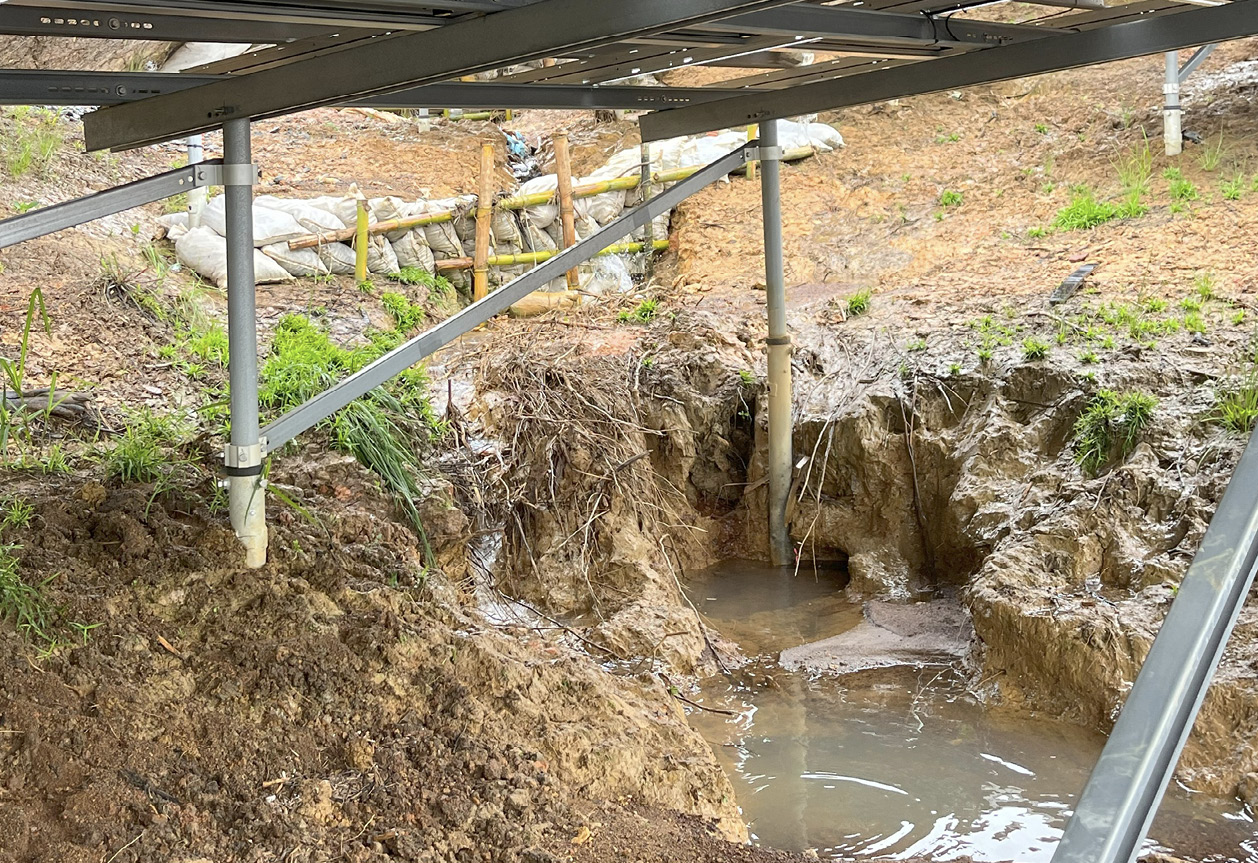
The US solar industry has thrived on an abundance of flat, dry land, where minimal civil work was needed. But in Southeast Asia, land is limited and often uneven. Developers are routinely forced to choose between expensive grading or proceeding as things are and accepting lower energy production per hectare.Without a deep understanding of these …
Advertisement
Advertisement
Advertisement
Advertisement