Solving California’s grid financing dilemma
California’s residential electricity rates remain persistently high, putting real pressure on households. Fixed grid costs account for a large and growing share of consumer bills, with charges covering necessary work such as wildfire risk mitigation, grid hardening, and resiliency upgrades. As much as 55% of a typical residential bill now goes to these fixed costs, and that share has been rising quickly. Yujia Han from the Clean Energy Leadership Institute calls for a different approach.
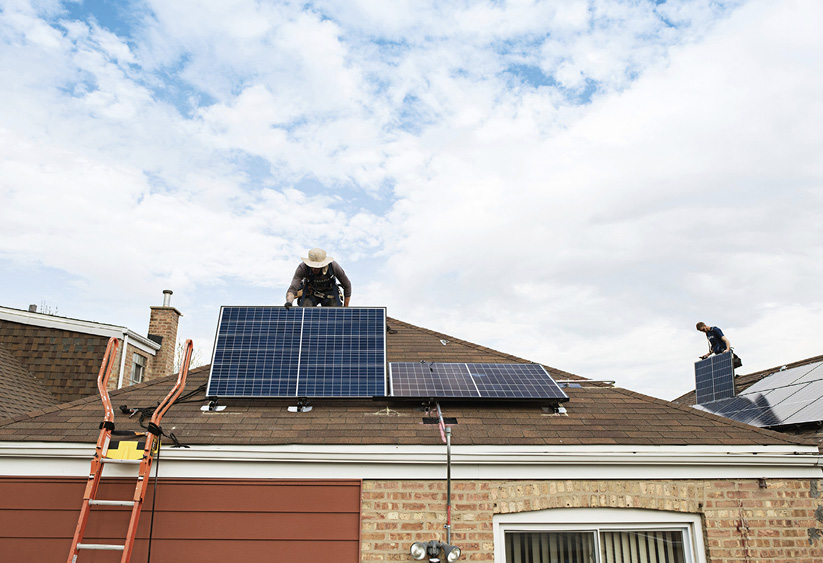
Fixed costs have pushed electricity bills higher in California, sparking debate over who pays their fair share. The state’s investor-owned utility (IOU) model translates fixed costs such as investments in grid resilience into higher rates paid by households. Most fixed costs are recovered through volumetric, per-kilowatt hour charges. When fixed costs rise but are collected …

Advertisement
Advertisement
Advertisement
Advertisement