Gas busters – 09-2020

Already a subscriber?
Login
Excerpt from the magazine


One million solar charged batteries
What catapulted solar to massive growth 14 years ago was a move beyond the “techie” and “greenie” niche markets of the 1980s and 1990s and into the mainstream, driven by consumer demand for energy bill savings and reliability (think the Enron debacle in the United States). Storage now needs its own transformational program if it hopes to move beyond the “prepper” and “shaver” niche markets it occupies today.
Sep 08, 2020

Poland’s wind of change
It may have one of the oldest energy mixes in Europe right now, but Poland nonetheless has ambitions to address this by bringing more renewables online. Łukasz Zaziąbł, regional sales manager for global energy developer BayWa r.e., talks about the Polish market and the opportunity for cleaner energy.
Sep 08, 2020
System operators are getting more flexible
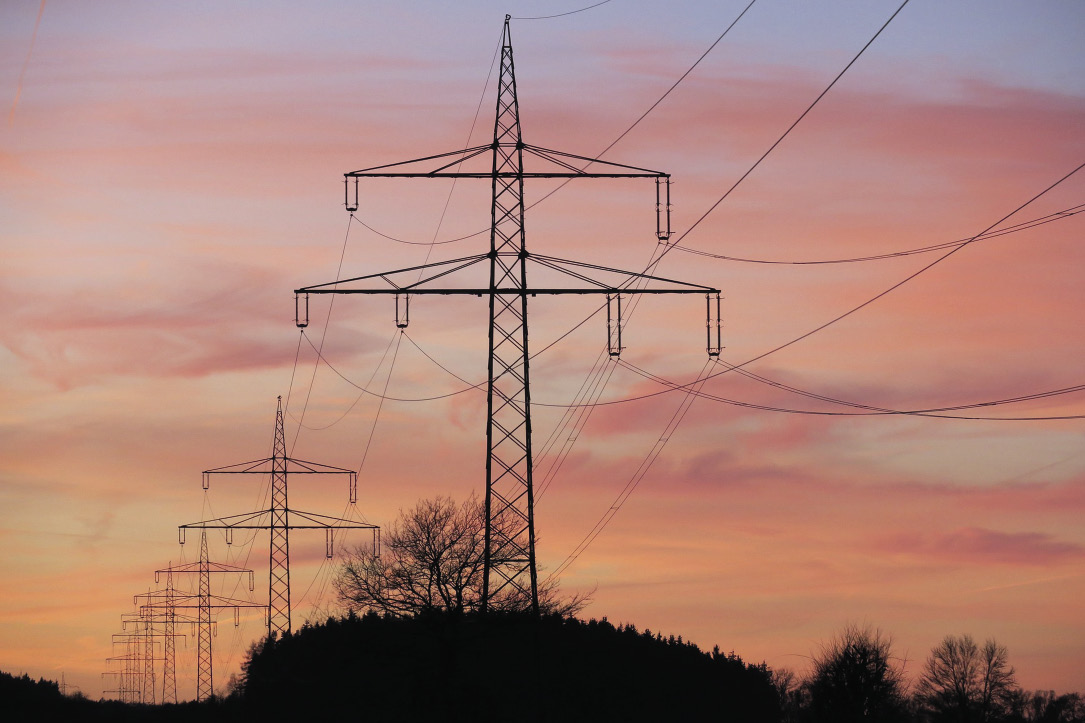
Distribution system operators have their work cut out for them, as they are tasked with the ever-increasing challenge of managing their networks at times of increasing EV penetration, the electrification of heat, and distributed behind-the-meter generation and storage. As transmission system operator markets have opened to demand-side flexibility across Europe and beyond, we now see a trend of DSOs at the very early stages of a similar transition, writes Philippa Hardy, principal analyst at Delta-EE. DSOs are now starting to call on behind-the-meter assets to support local network management and balancing. This provides cost savings for DSOs, while offering opportunities for DSF providers and asset owners.
Sep 08, 2020
Subscribe now for instant access to this issue and every published issue since 2016.
Subscribe
Ever cheaper PV brings pitfalls, new prospects
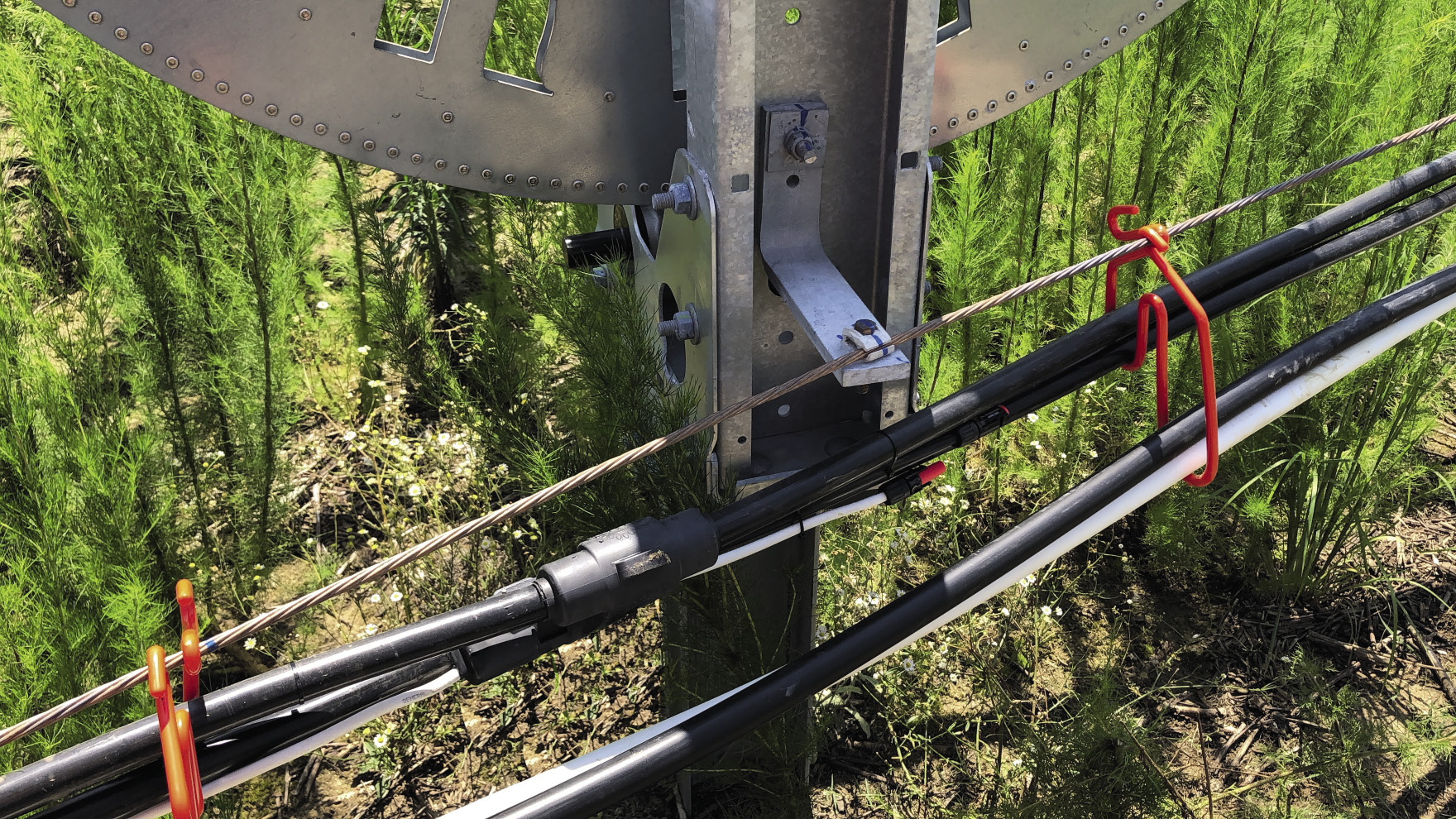
Large-scale solar has proven resilient in the face of the global Covid-19 pandemic and the associated economic downturn, with the U.S. marketplace exhibiting an acceleration in deployment, reports Shoals Technologies Group. And while solar’s competitiveness is driving market growth, there remain risks to “going cheap,” according to Shoals Technologies CEO Dean Solon and President Jason Whitaker.
Sep 08, 2020
The visible hand heralds a new dawn
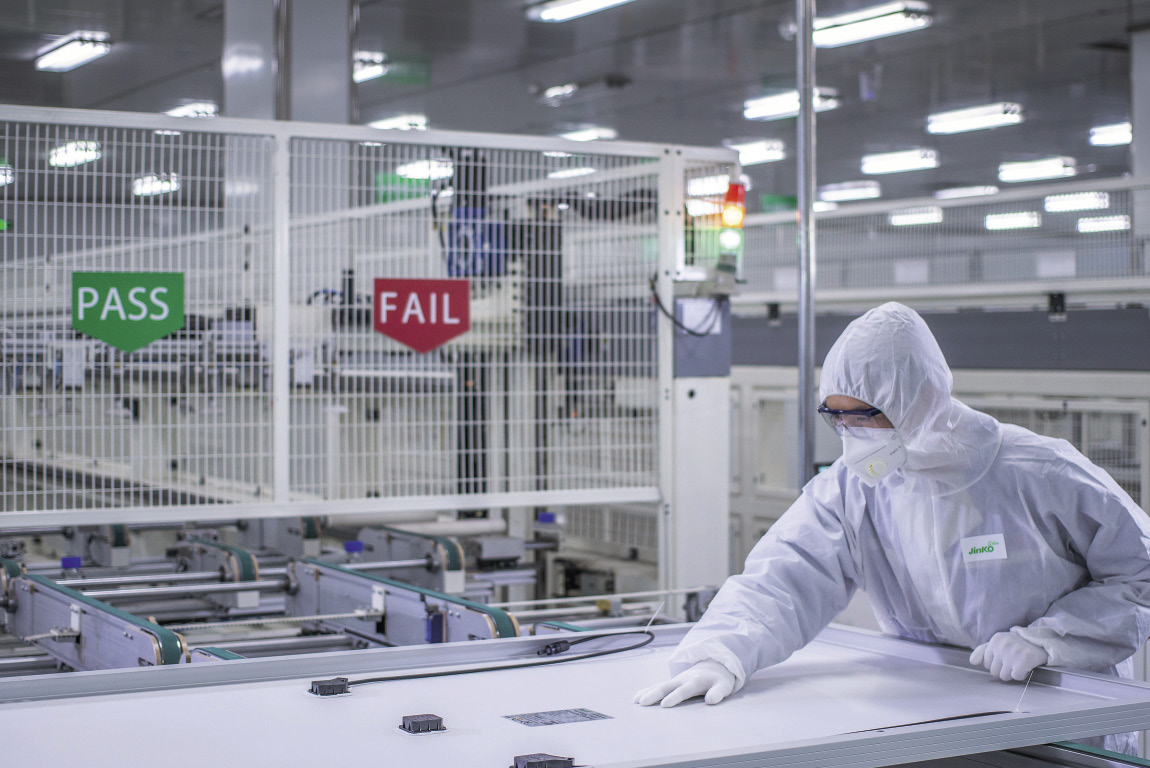
The “invisible hand” is a widely understood metaphor for free-market economics. In China’s economy a “visible hand” is more evident, as government interventions are relatively commonplace. And in PV the visible hand is moving again, raising efficiency baselines and potentially changing the solar production game.
Sep 08, 2020
Reducing solar’s environmental impact through ecolabels
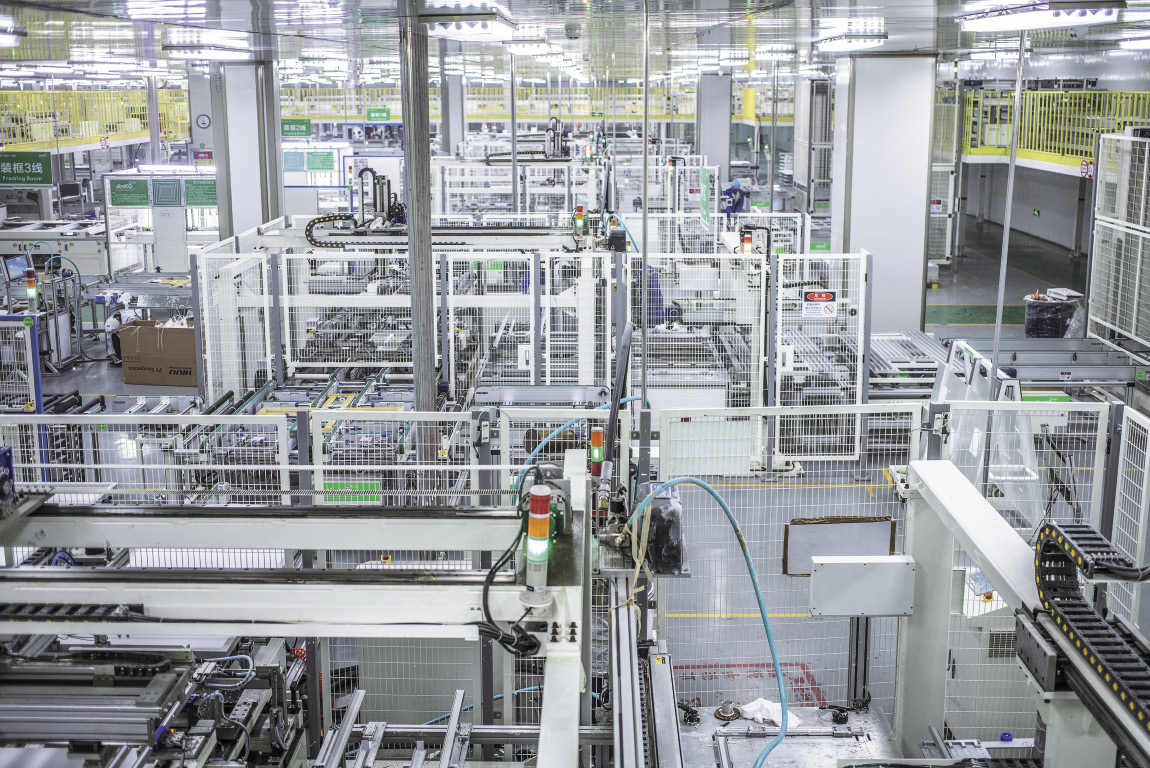
It is undeniable that easy access to energy has provided tremendous benefits to humankind over the last several decades. But that access has come at a price – one that society only discovered after the fact. From the thousand-year half-lives of spent nuclear fuel to the climate change impact of fossil fuels, access to energy has had a high environmental cost. Renewable energy, especially solar, seeks to provide that same access without the environmental cost. But what is the environmental impact of solar panels and inverters? Is society once again seeking to benefit from an energy source without understanding and addressing its environmental impact? Not this time, writes Green Electronics Council CEO Nancy Gillis.
Sep 08, 2020
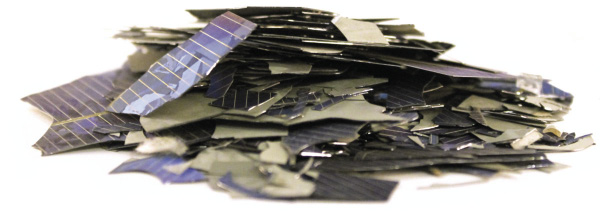
Waste not, want not
In the fourth quarter, pv magazine’s UP initiative is turning its attention to the topic of PV module recycling. With huge projected volumes of waste edging ever nearer, the topic is gathering speed on a global level. But how can the tension between economic viability and equipment lifetimes of up to 30 years and beyond be addressed? And what is happening in the field of recycling technology? Will it ever be possible to extract the most valuable materials from today’s PV modules?
Sep 08, 2020
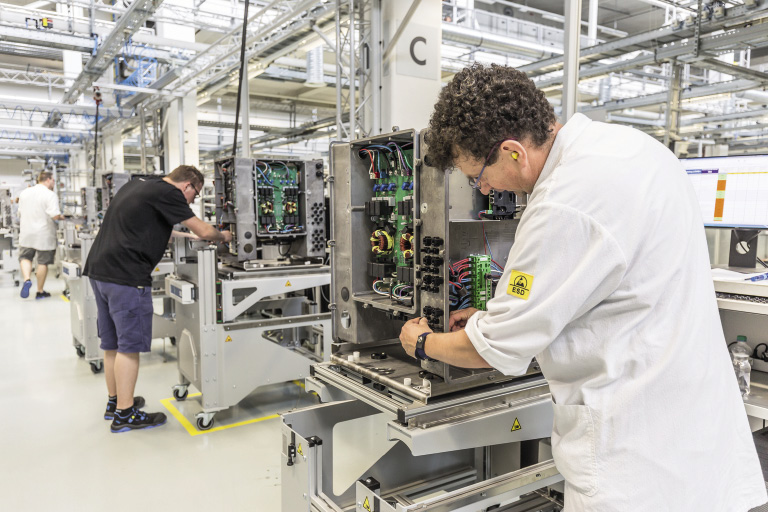
New inverter design coming around
Circular economy approaches in the solar industry have hitherto largely pertained to modules and batteries. Inverters, meanwhile, haven’t been in focus as much. Although these devices stand for less than 20% of the overall footprint of PV, they also contain significant volumes of valuable or toxic raw materials. Designing such products with their lifespans in mind has therefore become a critical step for the solar industry.
Sep 08, 2020
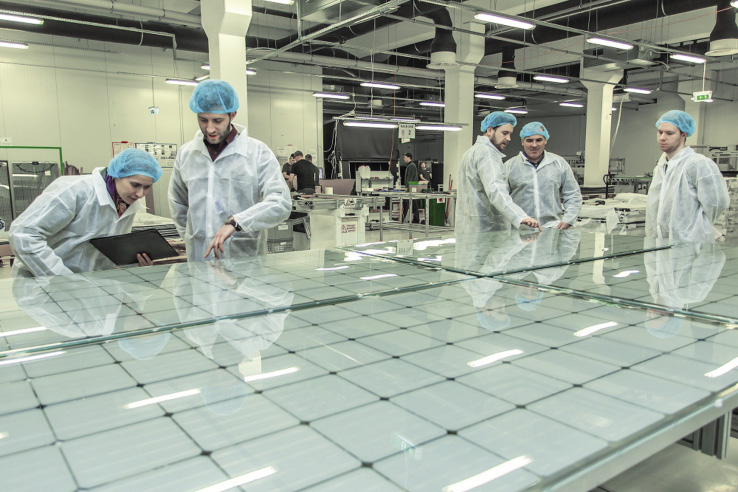
Materials in the circular economy
A number of companies are now racing to find new materials to replace toxic or otherwise unsafe elements in PV modules, in pursuit of circular economic ideals. In a similar vein, many researchers are also looking for ways to recycle and reuse some of these materials at the end of solar panel lifetimes. In line with these efforts, artificial intelligence and machine learning now play a critical role in identifying new chemical footprints for PV modules and cells.
Sep 08, 2020

Beyond carbon blinders, deployment fever
He wrote the first book on sustainability in solar and has a second on the way. Dustin Mulvaney, a professor at San José State University, has been investigating sustainability in the solar sector and the wider energy transition for well over a decade. And by applying a broad definition of sustainability – beyond the environment to include social justice goals – he believes that the solar industry can avoid reputational risks.
Sep 08, 2020
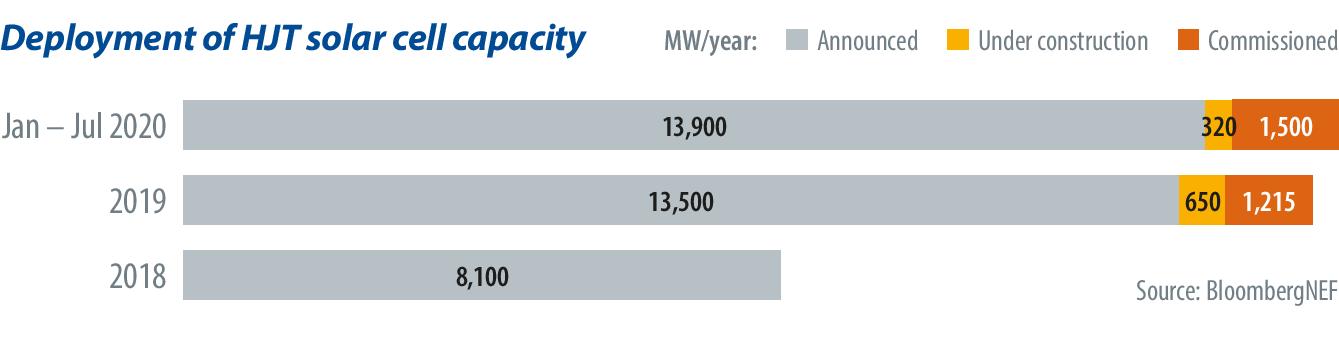
Time is now for HJT
There’s nothing new under the sun, and this is ever so in PV. So it should come as no surprise that the hottest new cell technology has actually been in mass production for decades. But is now the time for heterojunction to move into the mainstream? There are serious challenges to overcome if so, but momentum is undoubtedly building.
Sep 08, 2020

A domestic affair
The annual SNEC trade show in Shanghai has long been an important date on the calendar for the global PV industry. But due to pandemic-related travel restrictions, the 2020 event was a decidedly Chinese affair, and international players were a rare sight in the exhibition halls. Vincent Shaw, pv magazine’s China correspondent, reports from what will likely be the only major PV trade show to take place this year.
Sep 08, 2020

How can yield be increased, and by how much?
In preparation for the Asset Management Session of pv magazine’s Virtual Roundtables Europe in June, we took a close look at how much yield is lost due to quality issues, and discussed with a group of experts when it makes financial sense to take appropriate measures to address these issues.
Sep 08, 2020

Packing light
Tens of thousands of health facilities in low- and middle-income countries lack reliable electricity, contributing to high rates of maternal mortality. Health workers struggling in near darkness use candles, kerosene lanterns, or cellphones to provide illumination for critical procedures. They ask patients to pay for candles, batteries for flashlights, or kerosene for lanterns – a barrier to health care for women living in extreme poverty. We Care Solar designs and delivers pre-wired compact Solar Suitcases for maternal health care facilities in the developing world. This all-in-one solar+storage solution for childbirth evolved from a doctoral student’s research project, and is being scaled worldwide to ensure that no woman gives birth in the dark.
Sep 08, 2020

Bottom-optimization
With bifacial modules making their way into the mainstream, tracker manufacturers and energy companies are operating test facilities around the world. To drive the LCOE as low as possible, tracker manufacturers now also care about what is happening underneath the modules, and not just above. As the power comes from light reflected from the ground, increasing that reflectivity has been mooted by many stakeholders. This is not without complication, however, and the quest for optimization goes into the next round.
Sep 08, 2020
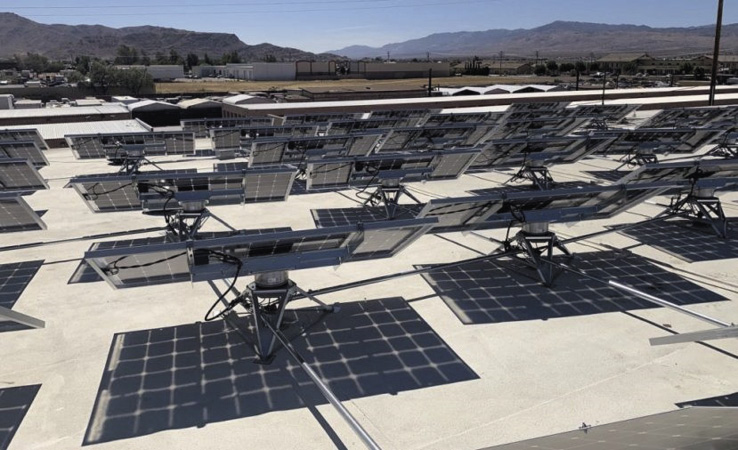
Rooftop racking in the US: Innovation and consolidation
Racking is the unsung hero of a PV installation, securing panels and protecting wiring while keeping the panels faceing the sun to ensure maximum energy yield. And innovations in the field help installers and developers to squeeze every available kilowatt-hour out of a project. Eric Wesoff and Tim Sylvia take a look at some of the latest products in the U.S. rooftop racking market.
Sep 08, 2020

Solar shines in Canada’s oil patch
The quiet prairie landscape of Vulcan County, a rural stretch of southern Alberta, is set to become the site of Canada’s largest solar energy facility – the 400 MW Travers Solar Project. And with the region’s oil industry struggling with low demand and lower prices, solar could provide a lifeline to Alberta in meeting energy demand and providing jobs.
Sep 08, 2020
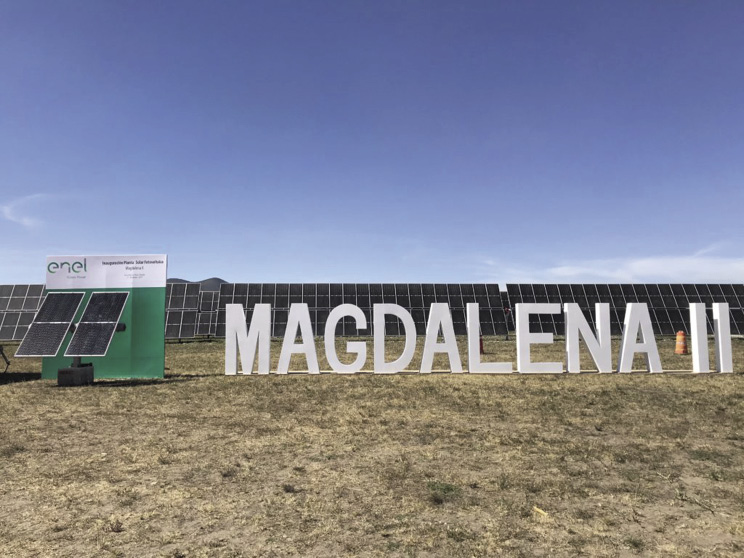
Mexico headed for a solar slowdown
It has already been a complicated year in terms of private investments in Mexico’s energy sector. And for solar, a lack of policy certainty and a government supportive of the fossil fuels industry are serving to further muddy the waters for projects already in development, while putting the brakes on any new plans.
Sep 08, 2020

Outcompeting fossil fuels in the energy transition
Energy markets are not exactly free markets, and the replacement of existing generation is not entirely tied to price. There are artificial regulatory constructs and financial structures built into energy markets which can favor certain parties (utilities) and fuels (legacy coal, gas, and nuclear).
Sep 08, 2020

Bigger and better: Technology
The SNEC 2020 PV Power Expo opened on Aug. 8 in Shanghai. Unlike previous editions, the world’s largest solar trade fair was mostly attended by Chinese participants this year due to the Covid-19 pandemic. While the trade fair used to offer insights into global market trends, volumes were low this year due to a buyer/seller standoff amid rising prices caused by the recent accidents at polysilicon plants in Xinjiang. Also, there was little change in technologies. PV InfoLink’s Corrine Lin offers insights into cells and modules at SNEC 2020.
Sep 08, 2020
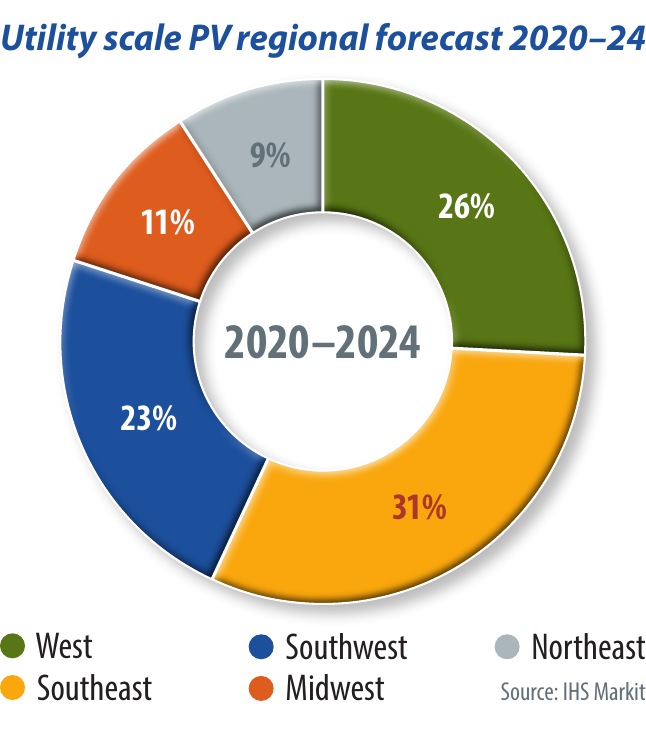
Texas will outshine California in 2020
The Covid-19 pandemic continues to cast a cloud on industries around the world, but the U.S. utility-scale solar segment is still growing, writes IHS Markit solar analyst Maria J. Chea. Around 3 GW of solar PV is set to be installed this year in Texas alone, but opportunities also abound across several other southern U.S. states.
Sep 08, 2020

Hot summer – hotter fall?
From mid-July to early August, prices fell across the board – perhaps for the last time this year, given recent indications that the slide will soon come to an end. Most PV manufacturers have either announced price increases in the range of a few cents per watt for the fourth quarter, or have already released adjusted price lists. But anybody who thinks that they can still buy cheap modules in unlimited quantities for short-term delivery is in for a disappointment, writes Martin Schachinger of pvXchange.com. This year there has been no summer lull.
Sep 08, 2020


Stepping up while fossils step out
This year has caused major economic shifts, the acceleration of some existing trends, and has left some industries staggering. In general, it has been encouraging to see the resilience exhibited by the solar industry in the face of a Covid-19-related economic downturn, although this hasn’t been even across all segments and markets.
Sep 08, 2020