New inverter design coming around
Circular economy approaches in the solar industry have hitherto largely pertained to modules and batteries. Inverters, meanwhile, haven’t been in focus as much. Although these devices stand for less than 20% of the overall footprint of PV, they also contain significant volumes of valuable or toxic raw materials. Designing such products with their lifespans in mind has therefore become a critical step for the solar industry.

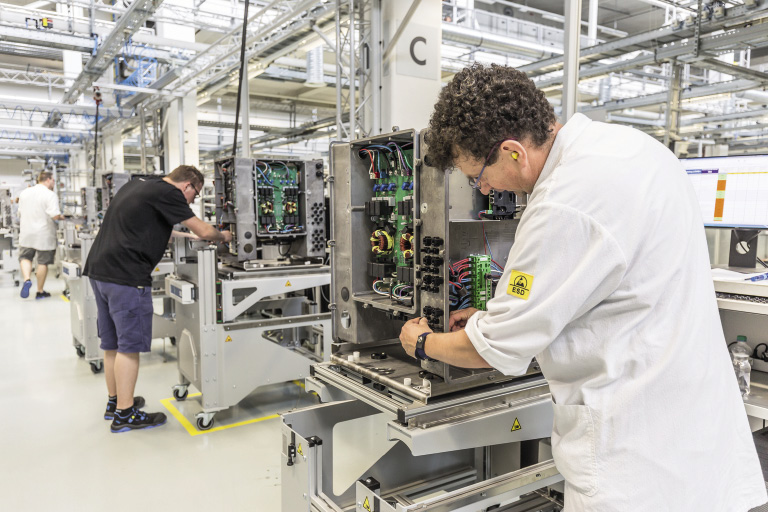
A large portion of design for recycling concerns product assembly. Gluing parts together can mean that they cannot be separated cost efficiently, or ever again at all. Push-fit connections are the preferred method to join components together. Much like solar photovoltaics itself, the concept of a circular economy dates back a few decades. While solar …
Advertisement
Advertisement
Advertisement
Advertisement