Go big or go home – 11-2020

Already a subscriber?
Login
Excerpt from the magazine


Recycling needs material quotas
The EU Directive on Waste Electrical and Electronic Equipment remains the primary legislation setting the requirements for the recycling of photovoltaic panels in Europe. pv magazine examines whether the policy is in need of a drastic update, and what it can be done to improve the sustainability of the PV sector through recycling.
Nov 02, 2020

Drama and intrigue in California’s long-duration storage bill
What appears to be an innocuous and neutral bill to promote gigawatts of long-duration energy storage in California is actually alleged to be a Trojan horse for Florida utility NextEra’s pumped hydro plans. And while that long-duration energy storage drama plays out, load-serving entities are not waiting for state regulators – they are starting to procure eight-hour storage on their own.
Nov 02, 2020
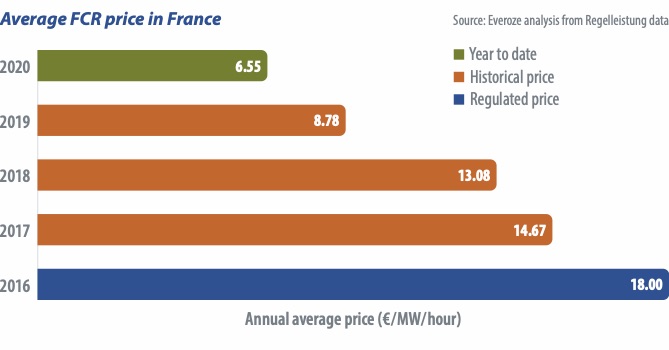
Anticipating revenue diversification
For all the talk, we must admit there are very few battery projects on the ground in mainland France. But even in these early days for the application, writes Everoze partner Bruno Menu, we are seeing an evolution in financial models with more revenue diversification than was anticipated for the first projects. Let’s take a look at why that is and what attractive options there may be for revenue diversification.
Nov 02, 2020
Subscribe now for instant access to this issue and every published issue since 2016.
Subscribe
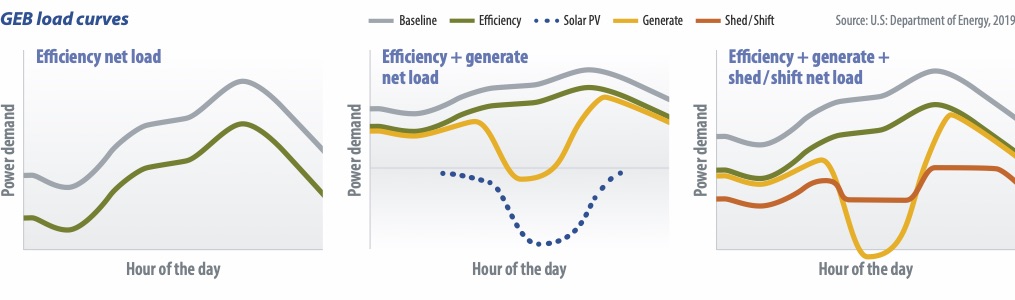
Keeping California’s lights on in emergencies with DERs
The fossil fuel industry jumped at the opportunity to blame clean, renewable energy sources, like solar power, in the aftermath of California’s mid-August blackouts. But the attack on solar did not pass the smell test. Fossil fuel power plants under contract with utility companies were the resource that failed to deliver much-needed electricity, writes Bernadette del Ciaro, executive director of the California Solar & Storage Association. And this resulted in blackouts.
Nov 02, 2020

pv magazine test September 2020 results
The first chart to the right details the meteo station data (irradiance and ambient temperature) for September 2020. The daily temperature and irradiance data is missing for Sept. 26 due to a power cut. The average bifacial boost for September 2020 is 6.3%. Bifacial boost is defined as the extra energy yield of the bifacial […]
Nov 02, 2020

pv magazine Award: Last call
The final entries for this year’s pv magazine Award are in, and expert juries in each category are beginning their deliberations to decide on the winners, which will be announced in January. In the meantime, the following pages offer some highlights from the entries received, and a look at the emerging trends across PV technology. On the modules side, we see the move to larger formats getting into full swing, while newer technologies wait in the wings. Balance-of-systems suppliers, meanwhile, have focused their software offerings this year to place ever more granular data in the hands of plant operators, offering new ways to control and optimize energy output.
Nov 02, 2020

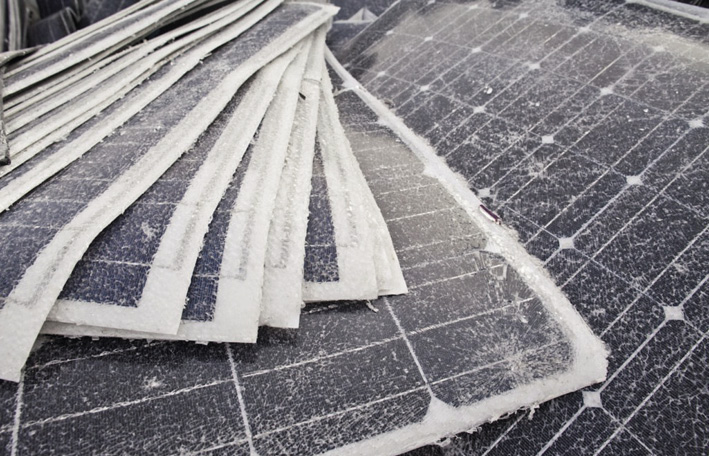
The afterlife of solar panels
Use of the term “circular economy” is growing in virtually every industry worldwide – solar included. As noted throughout Q3, in the UP initiative’s focus on circular manufacturing, work is already underway to integrate circular principles into all areas of business, from internal operations and supply chain management to manufacturing and installations. In a recent analysis of PV recycling, BloombergNEF detailed six conclusions for the solar industry and those who are trying to make it more circular. Cecilia L’Ecluse, solar associate, and Julia Attwood, head of advanced materials at BloombergNEF share these conclusions as part of our quarterly theme on PV module recycling.
Nov 02, 2020

Down in the weeds of Australia’s distribution networks
Australian electricity wires are awash with sunshine, such that network operators have threatened to up the drawbridge on further rooftop connections, while limiting rooftop PV exports to the grid. But data streams hold the key to unlocking surprising existing capacity, stabilizing voltage, and living the Aussie dream.
Nov 02, 2020

Capturing complexity through the power of the cloud
Bifacial modules have brought significant opportunities to PV project developers, but they have also increased complexity in system design and the modeling of plant output. Australian software developers PV Lighthouse believe they have created a fix, by allowing the complexity to be handled by the use of cloud computing. PV Lighthouse CEO Keith McIntosh and CCO Ben Sudbury argue that their software can be useful for module makers, tracker suppliers, and PV project developers alike.
Nov 02, 2020
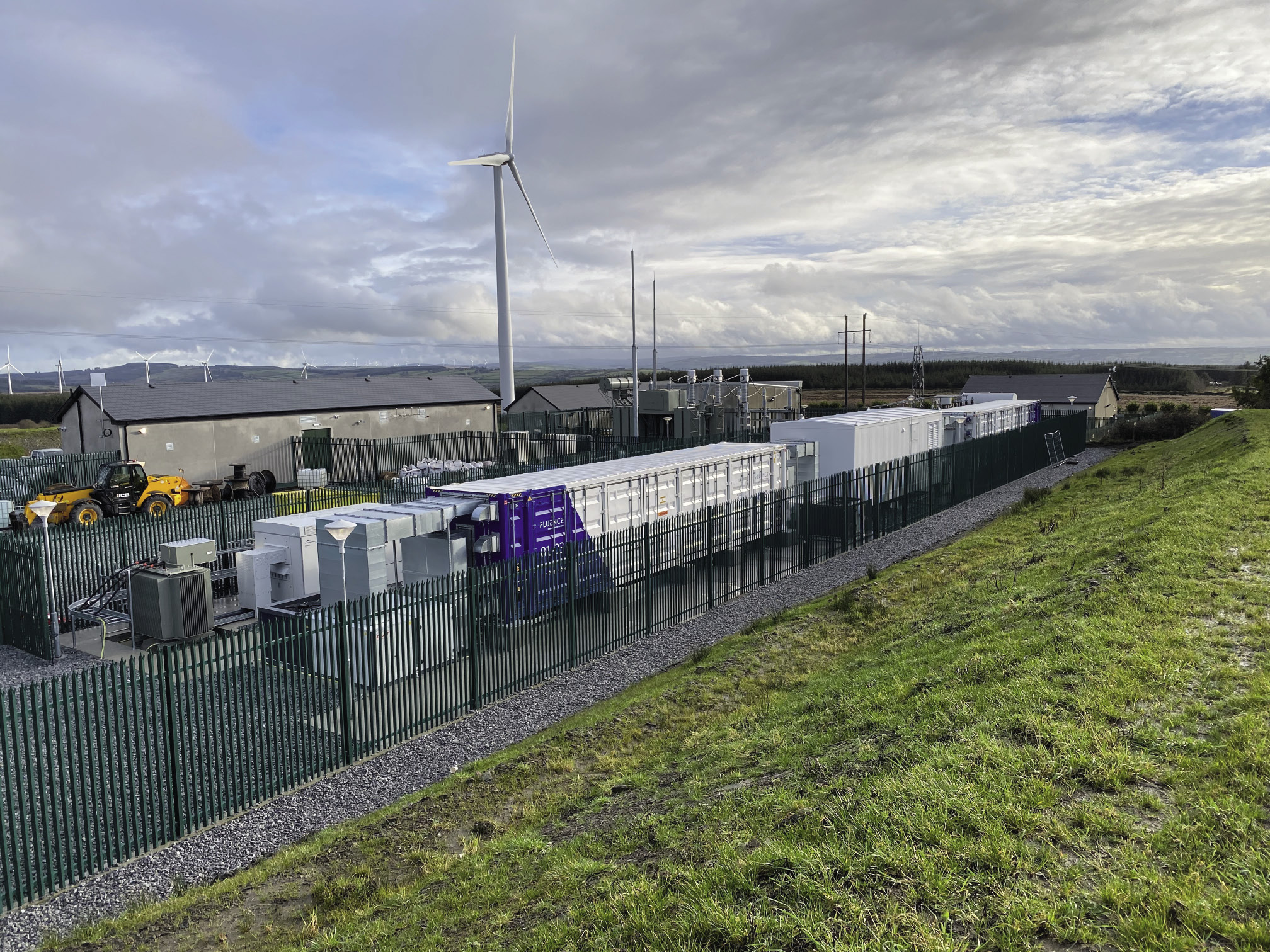
Whipping up inertia
Once a natural phenomenon – a fortuitous byproduct of thermal generation – the weaning off of coal has made the emulation of inertia a priority for grid operators. It will be a few more years in most markets before a solution becomes needed with any great urgency. However, some markets have needed to come up with solutions – are they a portal into the future of grids dominated by renewables and power electronics?
Nov 02, 2020
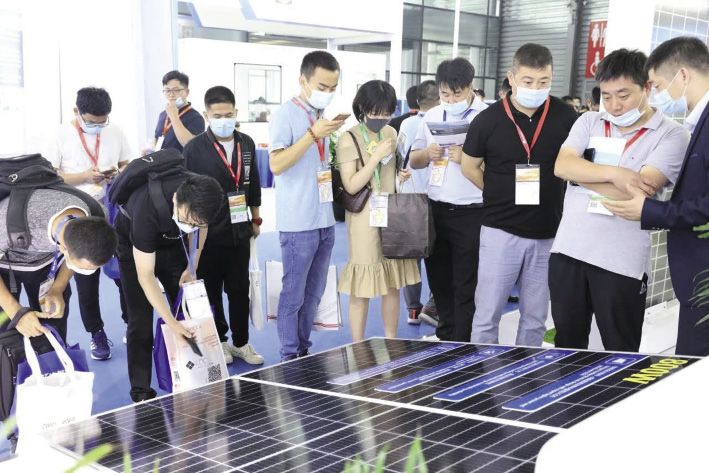
Bigger yes, but better…?
It is now a well-established trend. After the switch to larger wafer sizes played out in 2019, this year has seen virtually all of the biggest PV manufacturers introduce new modules in dimensions above the 2-meter mark, and with power ratings in excess of 500 W – in some cases, as high as 800 W. As these modules begin to roll off production lines in larger quantities, it’s vital to take a look at the challenges and opportunities they bring to system design, installation, and long-term operation.
Nov 02, 2020

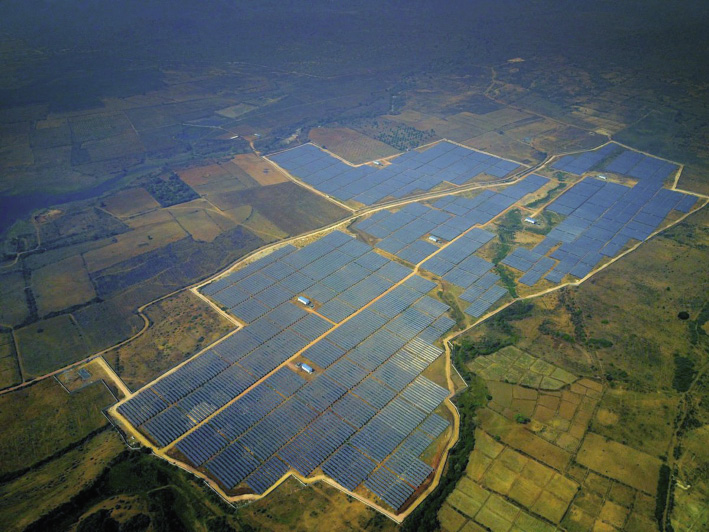
India’s tender prices tumble, despite Discom delays
India’s state-owned electricity distribution companies (Discoms) are in dire financial straits, as they owe some $16 billion to generators, according to the Institute for Energy Economics and Financial Analysis (IEEFA). Despite this, national PV auctions have been oversubscribed and are setting record low tariffs in the country, indicating strong interest from developers – if the Discom challenge can be overcome.
Nov 02, 2020

Behind the curve
Even as solar installations continue to grow and renewables make their way further into the energy mix, a look at the bigger energy picture reveals a worrying lack of commitment among utilities to a transition away from fossil fuels. This was the conclusion of researchers at Oxford University, who found that globally, less than half of all utilities have prioritized the development of renewables over the past 20 years. Even among those that have focused on solar and wind, just 15% actually reduced commitments to fossil fuels at the same time.
Nov 02, 2020

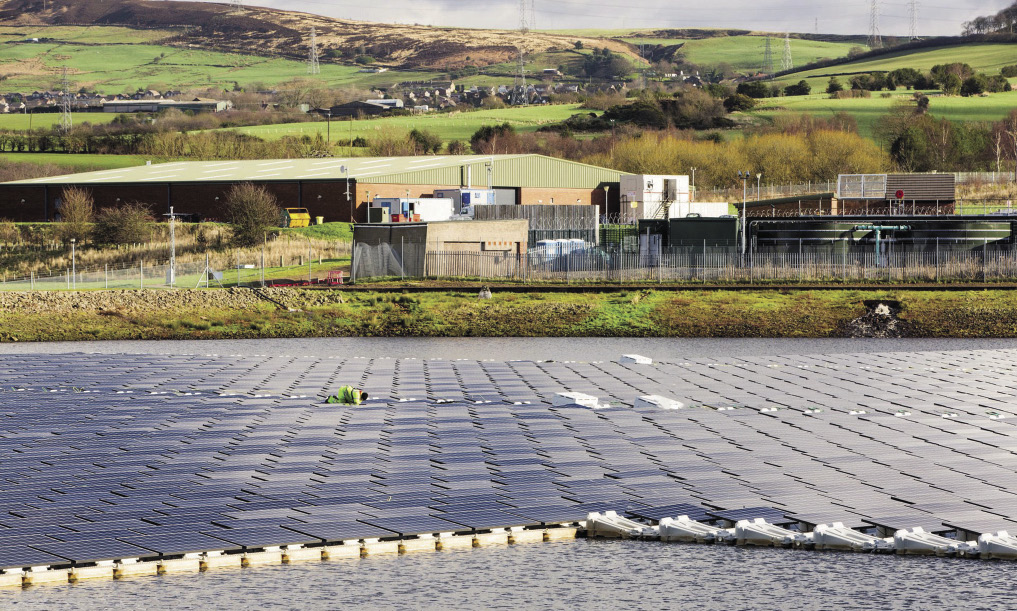
The utility and PV
Agents of change or recalcitrants? Leaders or laggards? The utility is sometimes seen as a crucial stakeholder and, at other times, as an antagonist to the PV industry. And while large-scale solar may seem the perfect fit for utility adoption, the future increasingly looks distributed.
Nov 02, 2020
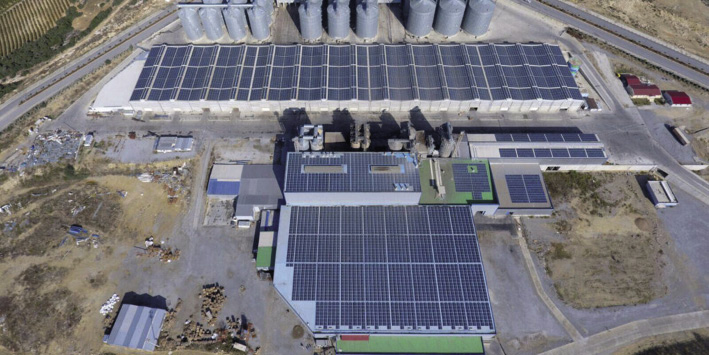
The future of Turkish PPAs
Everyone is talking about how power purchase agreements are a key tool to increase PV capacity in Turkey, due to the looming uncertainty of the country’s feed-in tariff regime after mid-2021. According to Stantec Turkey’s Selen Inal, Koray Goytan, and Alcan Ozden, the incentives could be lower than expected, or even unavailable for some technologies. This has raised questions about alternative financing mechanisms.
Nov 02, 2020
Prospects for bifacial and large-format products
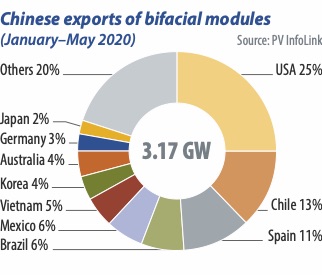
The pandemic and accidents at polysilicon labs in China’s Xinjiang region put PV manufacturers under pressure to maintain production this year, while slowing cell and module R&D. After half-cut and multi-busbar becomes commonplace, manufacturers will continue to explore the high-density assembly methods that emerged last year, as well as n-type cells. But the market is also shifting to large formats, and the share of bifacial products is growing this year. As sizing up modules can bring immediate returns, PV InfoLink’s Amy Fang expects the PV industry to prioritize the development of large formats and bifacial products next year.
Nov 02, 2020

Reform meets opposition
Since President Andrés Manuel López Obrador’s election at the end of 2018, renewable energy in Mexico has faced an uncertain regulatory environment. The current government is focused on restoring the power and influence of Mexico’s state-owned energy companies. But it is now at a crossroads, as the previous administration aimed to open the segment up to foreign investment. Maria Chea of IHS Markit examines the policy decisions the government has taken this year and how these have soured private investor sentiment. These changes will likely weigh on utility-scale PV procurement in the country through 2024.
Nov 02, 2020
Will Covid-19 continue to weigh on the PV industry?
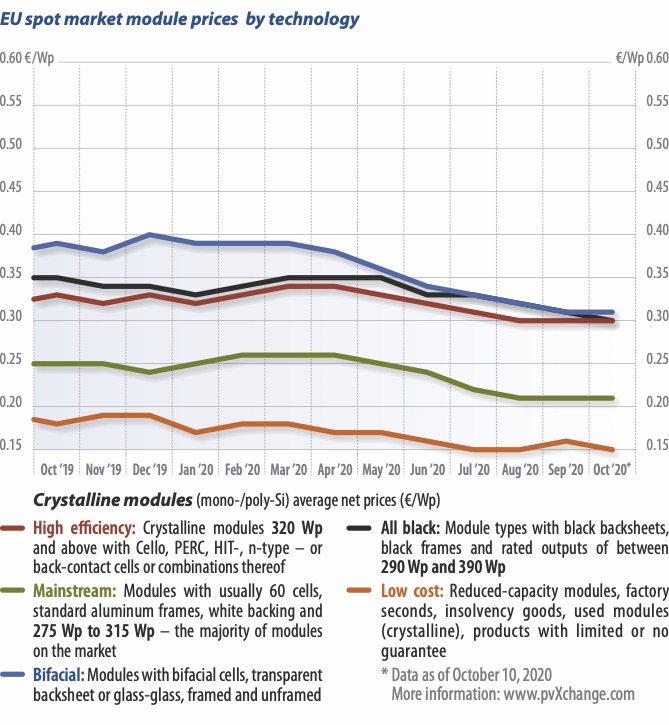
As much as 15% of all renewable energy projects in Europe could be delayed or canceled due to the coronavirus crisis, according to a recent warning issued by McKinsey & Company. The pandemic has also had a negative impact on the energy markets themselves, says the consultancy. Persistently lower commodity prices made conventional energy more attractive, and the expansion of renewables less popular. As low electricity prices chip away at future profitability of PV and wind energy, incentives for investment have failed to materialize. And this, in turn, has deterred project developers from concluding new power purchase agreements. Martin Schachinger of pvXchange examines the ongoing effects of Covid-19.
Nov 02, 2020

Riding strong resi growth
Solar stocks have seen significant upside in October, writes ROTH Capital Partners’ Jesse Pichel. The Guggenheim Solar ETF (TAN) increased 9.4% vs. the S&P 500 and the Dow, which increased by 3.0% and 2.8%, respectively. Year to date, the TAN gained 139% vs. the S&P 500 and the Dow, which rose 7.8% and fell 0.2%, respectively.
Nov 02, 2020