European Solar’s new dawn – 06-2021

Already a subscriber?
Login
Excerpt from the magazine

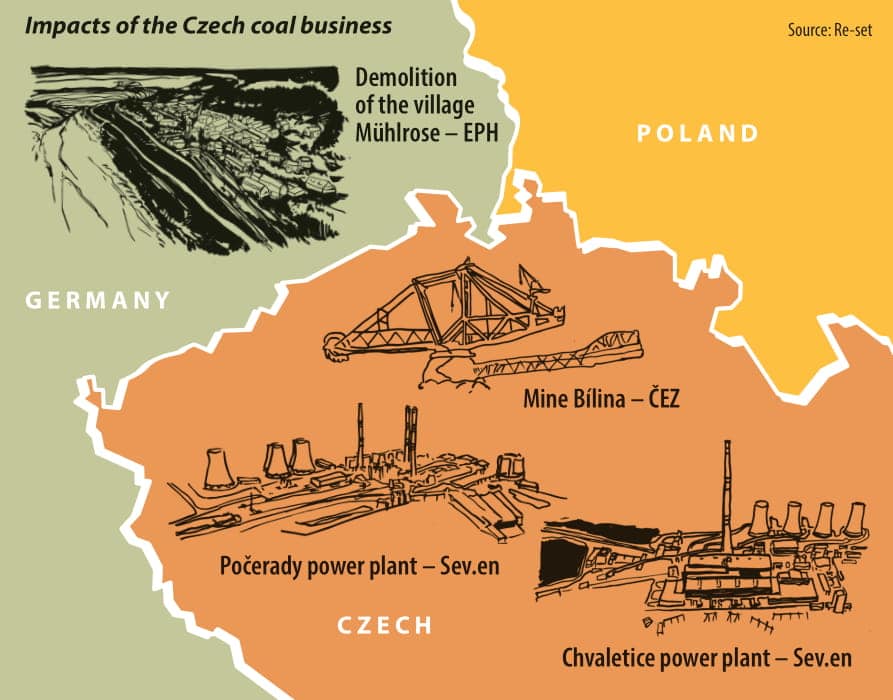
Insurers derail EU decarbonization
Though the shift away from burning fossil fuels for power is essential for meeting climate coals, Czech coal plants are backed by major insurers, often with careful loopholes designed to support ongoing arrangements. Radek Kubala and Josef Patočka from Re-set explain.
Jun 07, 2021

Probes confront EU market barriers
The European Commission’s antitrust investigation into EPEX Spot has revealed barriers for the integration of renewables in wholesale power markets. Challenges appear in a range of European marketplaces, but investigations and reforms appear to be clearing barriers to entry.
Jun 07, 2021

Return of the sun tax
Australia’s success with widespread residential take-up of solar PV installations may be facing a stumbling block, a new proposal by the Australian Energy Market Commission (AEMC), the rule maker of the nation’s grid. And for solar veterans, the development summons the ghoul of Spain’s infamous “sun tax.”
Jun 07, 2021
Subscribe now for instant access to this issue and every published issue since 2016.
Subscribe


Dial manganese for stability
Often sidelined by nickel and cobalt when it comes to batteries, the metal manganese is finding proponents in science and industry – in particular, by those attempting to avoid supply and cost issues. Ian Morse reports on the role of manganese in battery cell production.
Jun 07, 2021

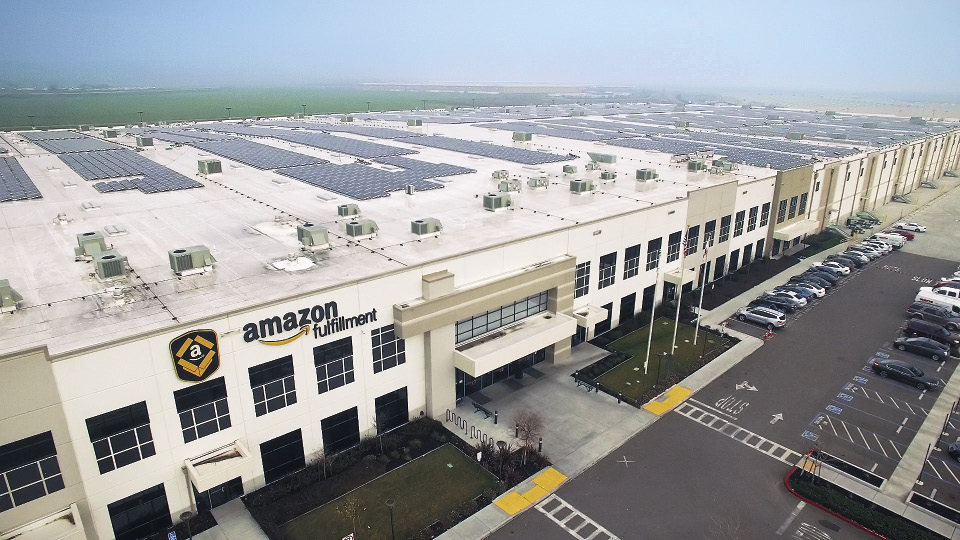
Corporates’ critical solar role
Despite the global pandemic and recession, corporate purchases of clean energy are booming. Several factors are driving this trend, including falling costs, heightened appetite for sustainability among consumers and investors, and increased political will for net-zero development. In recognition of this, the UP Initiative will spend the third quarter investigating sustainable electricity supply. How are PPA models evolving? What are the critical issues around residual energy? And how can greenwashing be avoided? pv magazine investigates.
Jun 07, 2021

SEIA seeks supply chain transparency
As ethical concerns around the solar supply chain grow, the U.S.-based Solar Energy Industries Association (SEIA) has a new tool for improving transparency, backed by a traceability protocol. In late April, SEIA released the protocol, which it said would improve supply chain transparency and help ensure that solar components headed for U.S. projects are “made ethically throughout the solar value chain.” pv magazine USA’s David Wagman takes a closer look.
Jun 07, 2021

Rethinking degradation
PV module making is a brutally competitive industry. And for Slovenian module maker Bisol, in business since 2004, one of the keys to success has been to remain focused on the value its products deliver to the customer. And as company founder and CEO Uroš Merc explains, in 2021 this means reimagining module degradation.
Jun 07, 2021

Custom standardization: unlocking BIPV
The creativity of architects and the need to standardize BIPV products to bring costs down may appear mutually exclusive. In reality, they are the concurrent needs of both the construction and solar sectors and must be considered for the promise of “PV everywhere” to become a reality in our built environment. Work is underway to bridge this gap and the initial results are building in innovation.
Jun 07, 2021
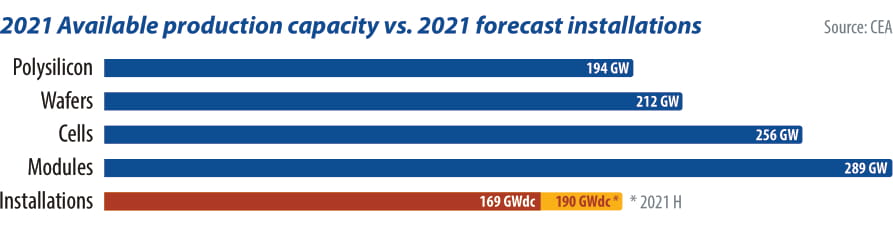
Firm foundations on shifting sands
Unprecedented capacity expansions and massive technology changes, all happening at a frantic pace, signal that PV is entering the terawatt era. However, challenges in supply and demand imbalances across the value chain, combined with emerging technical and quality risks, require detailed analysis and due diligence from buyers to avoid pitfalls, according to George Touloupas, Joseph Johnson, and Aditya Vardhan from Clean Energy Associates.
Jun 07, 2021

New processes put TOPCon under pressure
Since the concept was first introduced by Germany’s Fraunhofer ISE back in 2013, tunnel oxide passivated contact (TOPCon) cells have grown to become one of the biggest prospects for the industry to maintain a steady rise in cell efficiencies. Bringing this technology to scale, however, is not without challenges: Additional processing requirements, plus increased silver consumption, have kept TOPCon cell costs a little above where they need to be for mainstream production. pv magazine examines recent progress and the next steps for TOPCon cell production.
Jun 07, 2021

China struggles with solar supply
Since July 2020, the PV industry has been experiencing price rises, which have affected almost all the components in a solar system. As these price increases spill out into higher installation costs, we see end user prices for solar rising for the first time in 10 years, threatening the competitiveness of PV in certain markets. Vincent Shaw reports from Shanghai on solar manufacturing’s supply chain crisis.
Jun 07, 2021

A PV band-aid
DuPont has developed a repair kit for PV modules with backsheet failures. Cracked and chalking backsheets can cause problems for solar project owners, but this could easily be addressed in the field without swapping out the PV modules. Stéphan Padlewski, regional marketing leader EMEA at DuPont Photovoltaic Solutions, spoke to pv magazine about how the solution works.
Jun 07, 2021
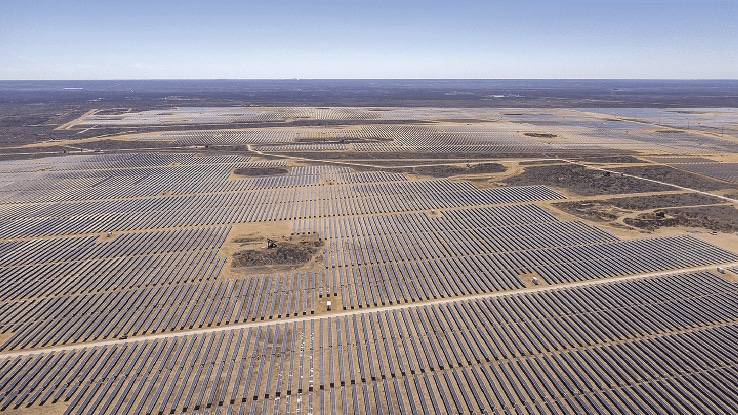

Floating up to standard
Floating PV is a growing market, especially in Asian countries with land pressures. However, like many promising niches, it is growing faster than the standards surrounding it. With installed floating PV capacity set to double in 2021, a raft of various and sometimes competing standards are being floated, but the question remains – what is truly the best way forward?
Jun 07, 2021
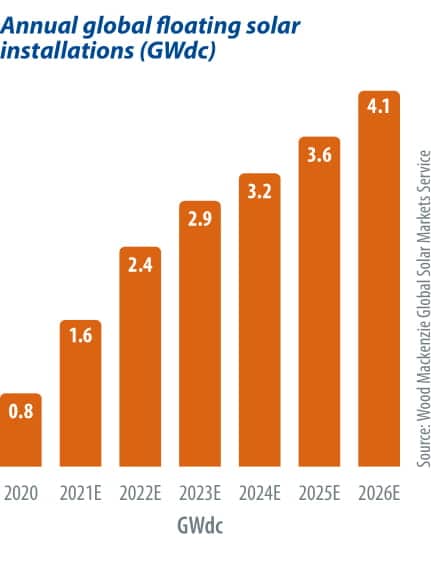
FPV’s important role
Molly Cox details Wood Mackenzie’s research showing that floating PV installations will continue to grow as the niche industry finds its large- scale fit with utility companies, large communities, companies, and municipalities – wherever the right waters are to be found.
Jun 07, 2021

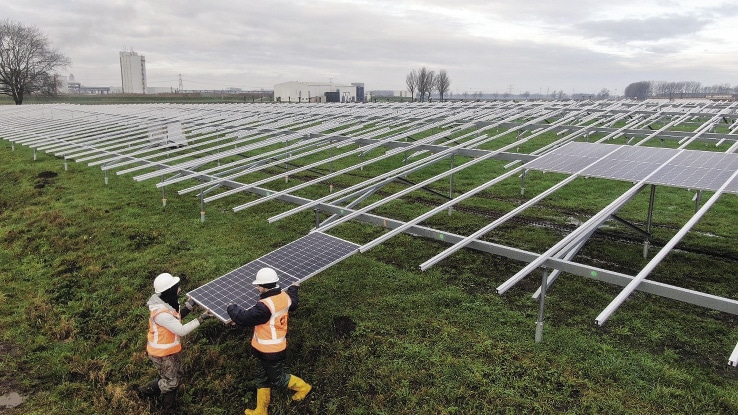
Making sense of new sizes
The era of large modules has arrived, but it shouldn’t be assumed that this will immediately make projects more profitable, argues Steven Xuereb of engineering service provider PI Berlin, as he compares different module size options for a current development project.
Jun 07, 2021
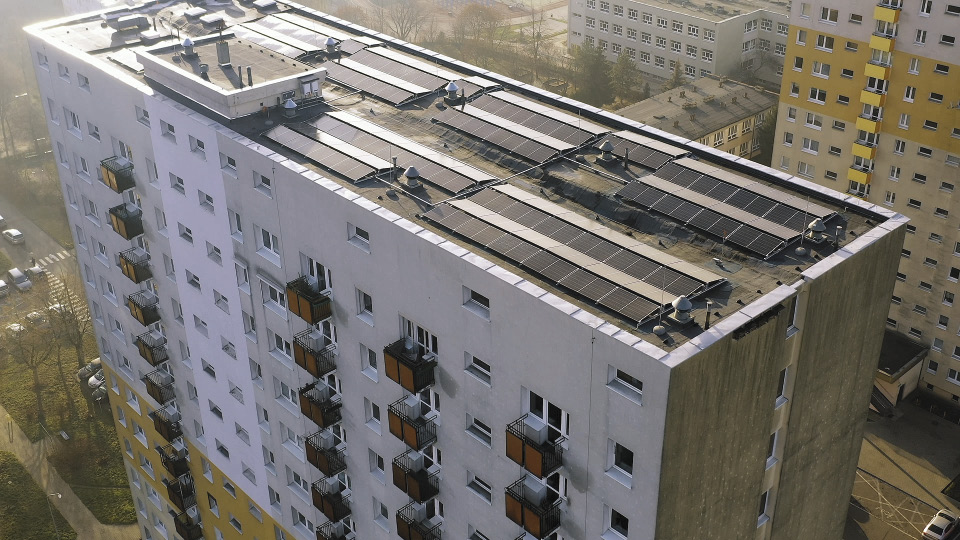
Poland’s policy overhaul
The first half of 2021 promises significant changes for the renewable energy industry in Poland. Lawmakers are working on a major overhaul of key legislation for the renewable energy sector – the Energy Act and the Renewable Energy Sources Act. These latest amendments make sense and, truth be told, some of them should have been made a long time ago, writes Piotr Mrowiec of law firm Rödl & Partner.
Jun 07, 2021

Greek investment soars
An array of new investment plans were announced in Greece in May, ranging from mega PV projects to battery and electric vehicle production, as well as a move to smart green islands. pv magazine explores the state of these investments and links them to the country’s general policy frameworks – most notably, Greece’s master plan to boost green investments in former lignite regions and establish a new type of economy.
Jun 07, 2021
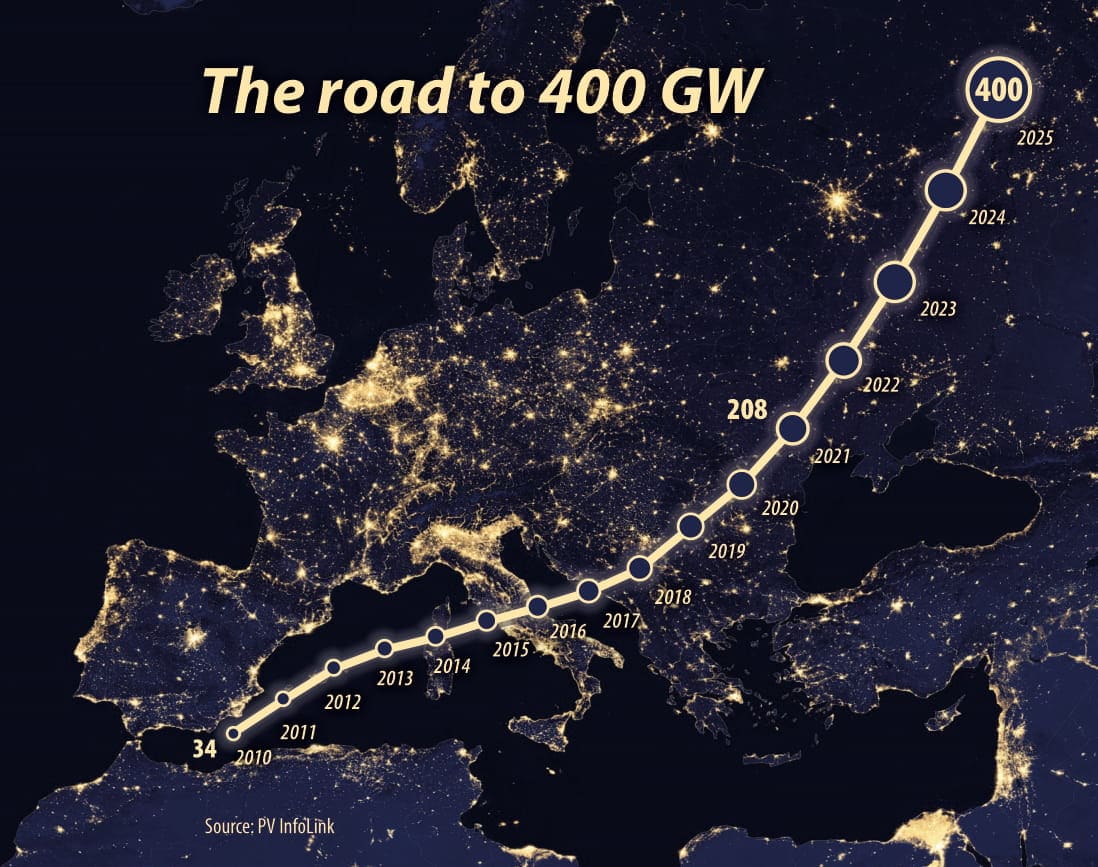
Driving toward the inflection point
An inflection point for European solar is beginning to take shape as the industry finds itself in a period of acceleration and transformation. pv magazine’s European editors – Emiliano Bellini, Sandra Enkhardt, Gwénaelle DeBoutte, and Pilar Sánchez Molina, along with Jonathan Gifford – look at four trends shaping the market.
Jun 07, 2021
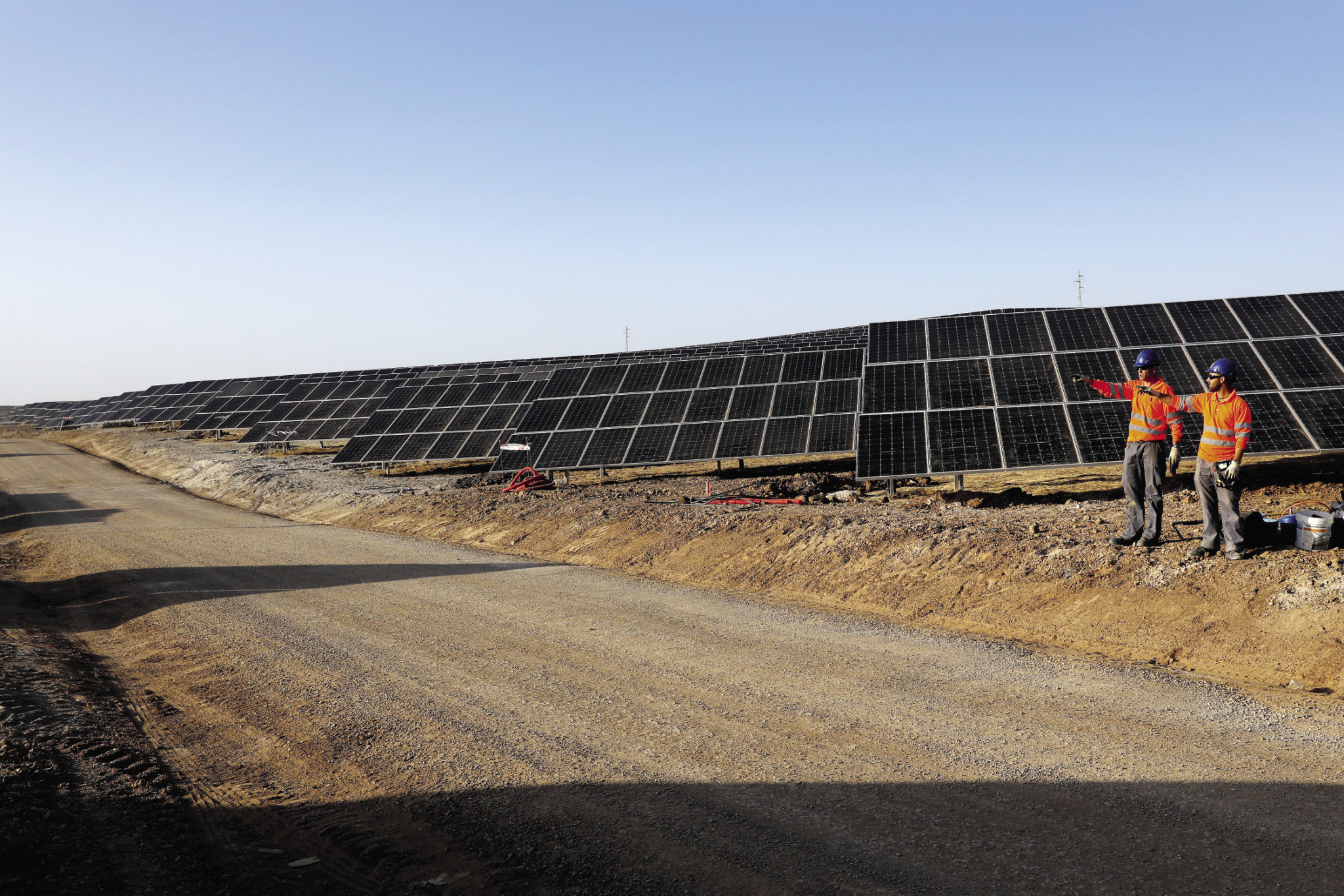
Rapid growth becomes new normal
Despite the impact of the pandemic and associated economic crisis, 2020 saw unprecedented growth in the solar market. With the International Energy Agency stating that high rates of capacity additions are the new normal, has the energy and investment environment fundamentally changed? Felicia Jackson in London explores these issues.
Jun 07, 2021
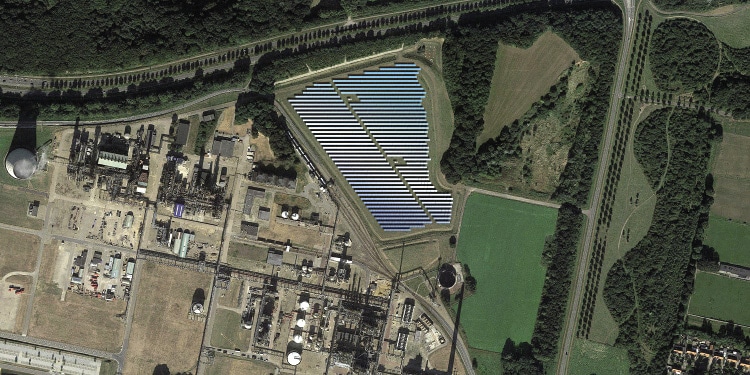
Politicians tend to overpromise, except when it comes to solar
The speed of all transitions is inherently underestimated, and solar PV is no exception. The EU has grossly underestimated its coming of age, as its forecasts for 2020 were off by 67% for the Netherlands and 74% for Germany, writes Rolf Heynen, CEO of Dutch New Energy Research.
Jun 07, 2021
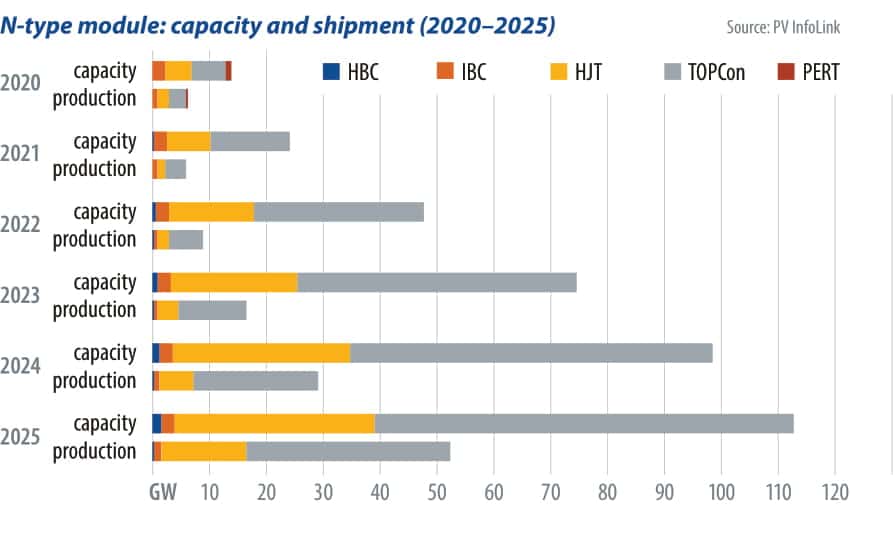
N-type development
This year, PV cell manufacturers will face the challenge of transformation. Apart from adjusting the ratio of production for different-sized cells, some manufacturers are turning to next-generation opportunities, shifting investment from p-PERC to n-type technology. PV InfoLink Analyst Amy Fang discusses the issues facing n-type cell development this year.
Jun 07, 2021
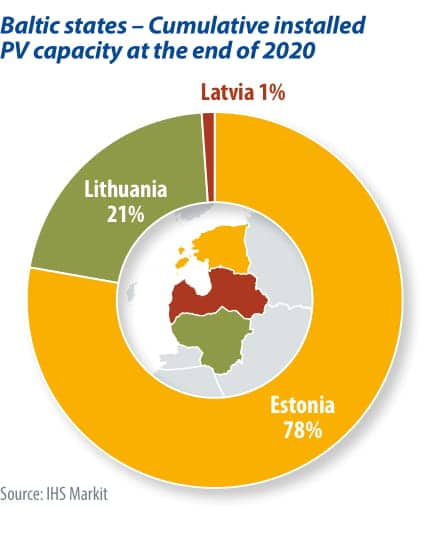
Baltic breakdown
Estonia, Latvia and Lithuania have seen uneven development in PV installations to date, and the three Baltic states are still highly dependent on imports from Russia. Estonia needs to replace aging energy infrastructure, and so far it has led the region in PV deployments. Latvia, meanwhile, has a high level of hydro in its energy mix, and less incentive to build PV. IHS Markit analyst Susanne von Aichberger examines the latest policy developments in the Baltic states.
Jun 07, 2021
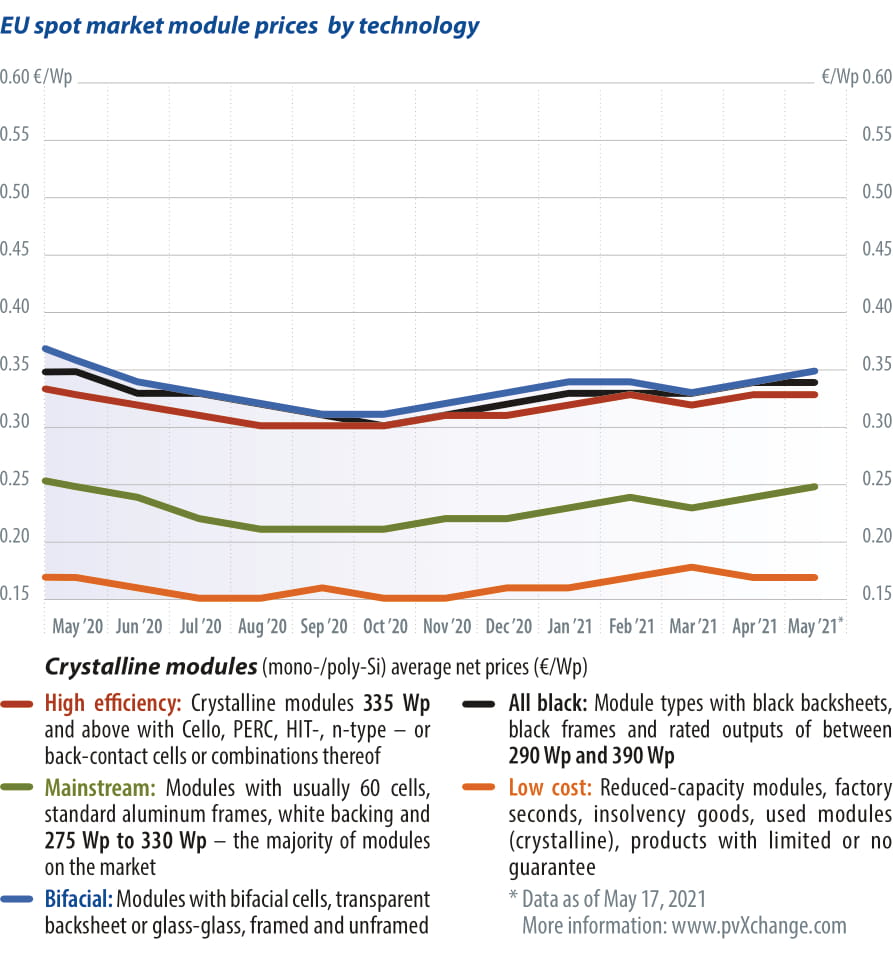
Nuclear – no thanks!
The somewhat timeworn slogan from Germany in the 1970s and 1980s, “Atomkraft – Nein Danke,” is well known, even outside the country. But you hardly ever see or hear it anymore – least of all after the German government decided to phase out nuclear power in 2012, in the wake of the Fukushima disaster. This incident brought the global expansion of nuclear power to a virtual standstill, writes Martin Schachinger of pvXchange. Yet, despite all the latest developments and talk about climate protection in Germany and abroad, there is reason to be concerned that the use of nuclear power as a low-carbon energy source may not be over yet.
Jun 07, 2021
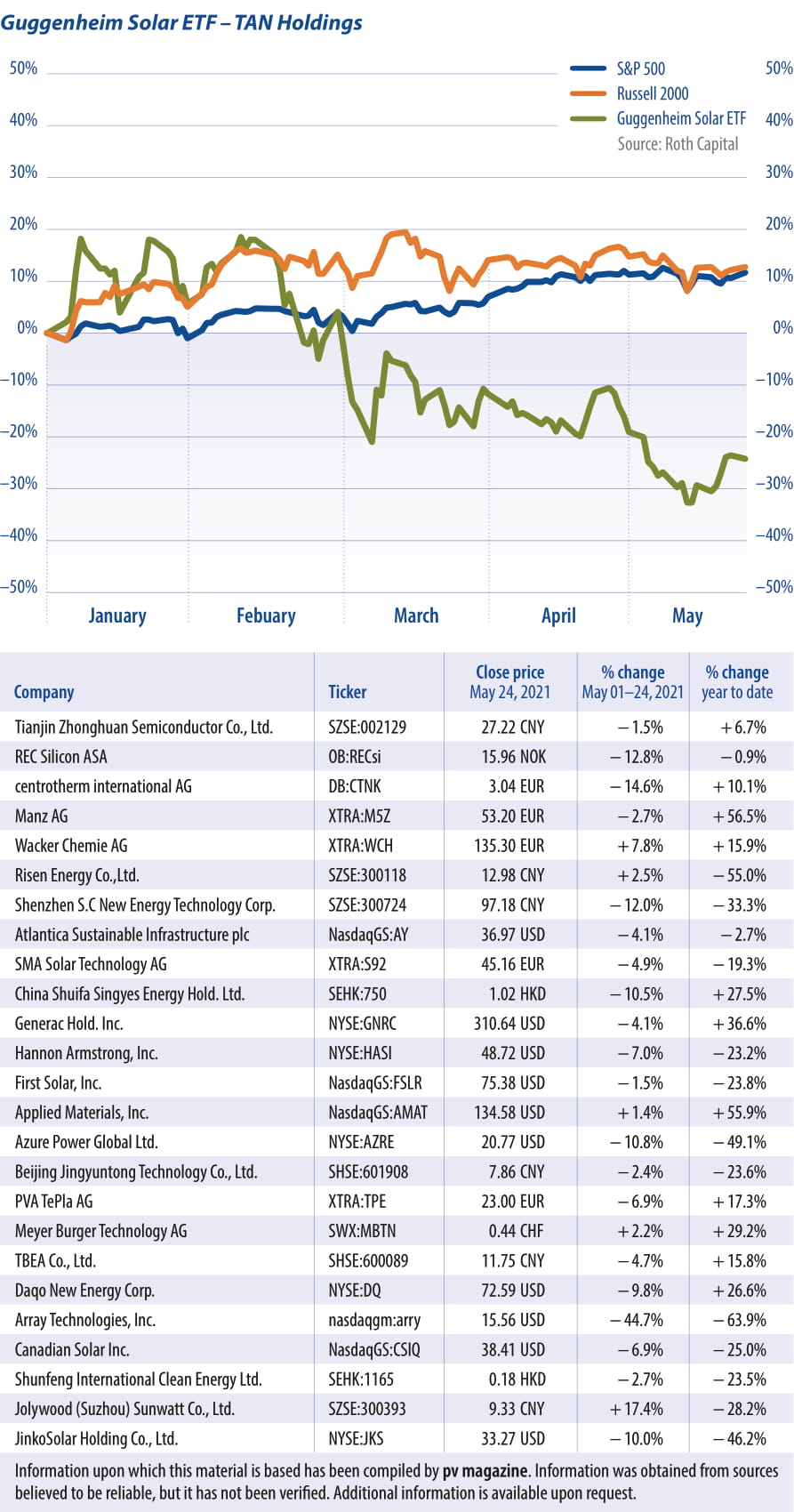
Europe’s back in business
Spain, the Czech Republic, Italy, and then Germany: the PV markets of Europe were instrumental in delivering the demand required to build a solar industry of any scale and to set the industrial wheels in motion toward dramatic cost reductions. And today, as European markets set a course for substantial and sustained growth, solar modules cost just 5% of what they did some 12 years ago.
Jun 07, 2021

