US’ 21
November 9, 2021
Solar opportunities in an age of extremes
Watch our Roundtables USA 2021 here:
Download the presentations:
EL imaging as a quality assurance tool, Claire Kearns McCoy, CEA
The ripple effects of a shift to large-format modules, Hong bin Fang, LONGi
Interactive Discussion – Presentation by John Balfour
Solar Futures update, Garrett Nilsen, Department of Energy
Check out the event gallery!
The 2021 Roundtables USA convenes at a time of both unprecedented opportunities and daunting challenges.
Opportunities include a call by the Biden administration for the U.S. to reach a 3-4x increase in solar deployment in order to reach 2035 clean energy targets. Solar adoption rates are high and the resource increasingly is specified as the go-to option as new capacity is added no matter the sector: residential, commercial and industrial, and utility.
Challenges include the ability of the supply chain to support rapid growth while simultaneously keeping solar as an affordable option. A related issue is trade tensions with China and the threat that a series of trade actions by the U.S. may have on supplies.
Against all this is the threat posed by climate change and the very real operational challenges that increasingly severe weather events and climate-driven wildfire are having on solar.
The Roundtables take up these issues and seeks to answer key questions for the solar industry:
- How can solar installation be better prepared for…and protected from…extreme weather events such as hailstorms and damaging winds?
- How can solar systems effectively use software tools and artificial intelligence to achieve and even exceed performance targets and deliver on solar’s potential as a dispatchable resource?
- How is the trend toward larger module sizes affecting system design decisions?
- What specific steps need to be in place for solar to achieve a 3-4x expansion, including labor, finance, government policy, and supply chain?
- How can solar most effectively be deployed to support broad goals aimed at both decarbonizing and electrifying the economy?
- What current technologies will be needed to support solar’s rapid expansion
- What technologies will emerge to better help solar as a predominant generation resource?
Our Expert Speakers:
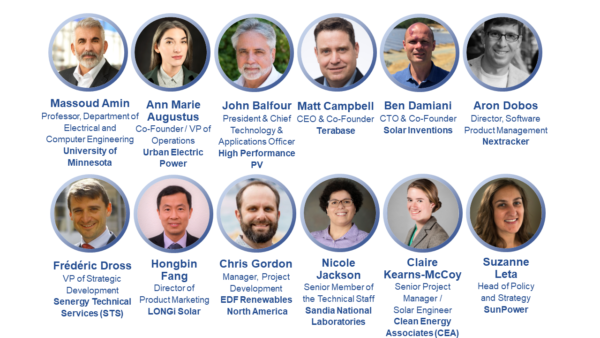
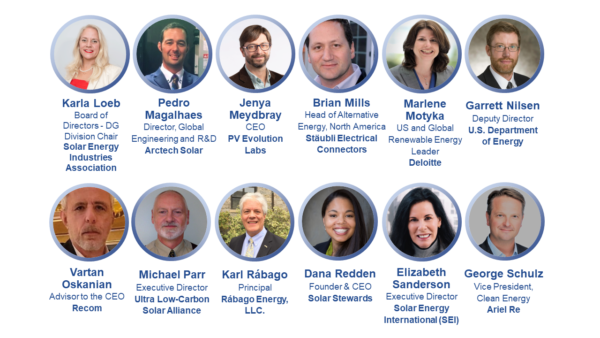

Speakers
















Session 1 | Optimizing systems and hardware to meet environmental and performance challenges
The effects of climate change are being felt across the United States as extreme temperatures, drought, and wildfires plague the West; and more extreme rain and severe weather events become more widespread across the eastern half of the country.
It’s clear that solar and energy storage must play rapidly growing roles in decarbonizing the economy to help combat the rising toll of climate change.
The climate challenge raises the stakes for solar and storage to deliver reliable and cost-effective carbon-free energy, even as those same resources face increased risks of their own from fires and storms, as well as component failures and long-term system performance.
This Roundtable session tackles issues related to quality and performance from multiple points of view, starting with a macro view of the critical issues facing solar and energy storage and drilling down to more detailed discussions of inverters, trackers, and modules.
Session 2 | Solar everywhere: What the solar industry needs to accelerate deployment
The prospects for clean, sustainable energy sources have never been brighter.
Technology innovation, coupled with supportive policies at the local, state, and federal levels, are helping to drive rapidly expanding uses of PV, energy storage, clean hydrogen, and widespread electrification across multiple sectors, including the all-important transportation sector.
This Roundtable session highlights both the technologies and the policies that are likely to be the most impactful.
Check out our fantastic studio set-up:
Event Partners 2021
Networking Partner
Platinum Partners

Gold Partners



Silver Partners