Bifacial drives encapsulant switch
Suppliers of encapsulant materials – plastic sheets that are heated to laminate together the components in PV module stacks – are rapidly expanding to keep pace with module manufacturing in Asia and other parts of the world. Ethylene-vinyl acetate (EVA) continues to dominate the market, but new developments in module technology are driving a slow shift to more costly polyolefins.

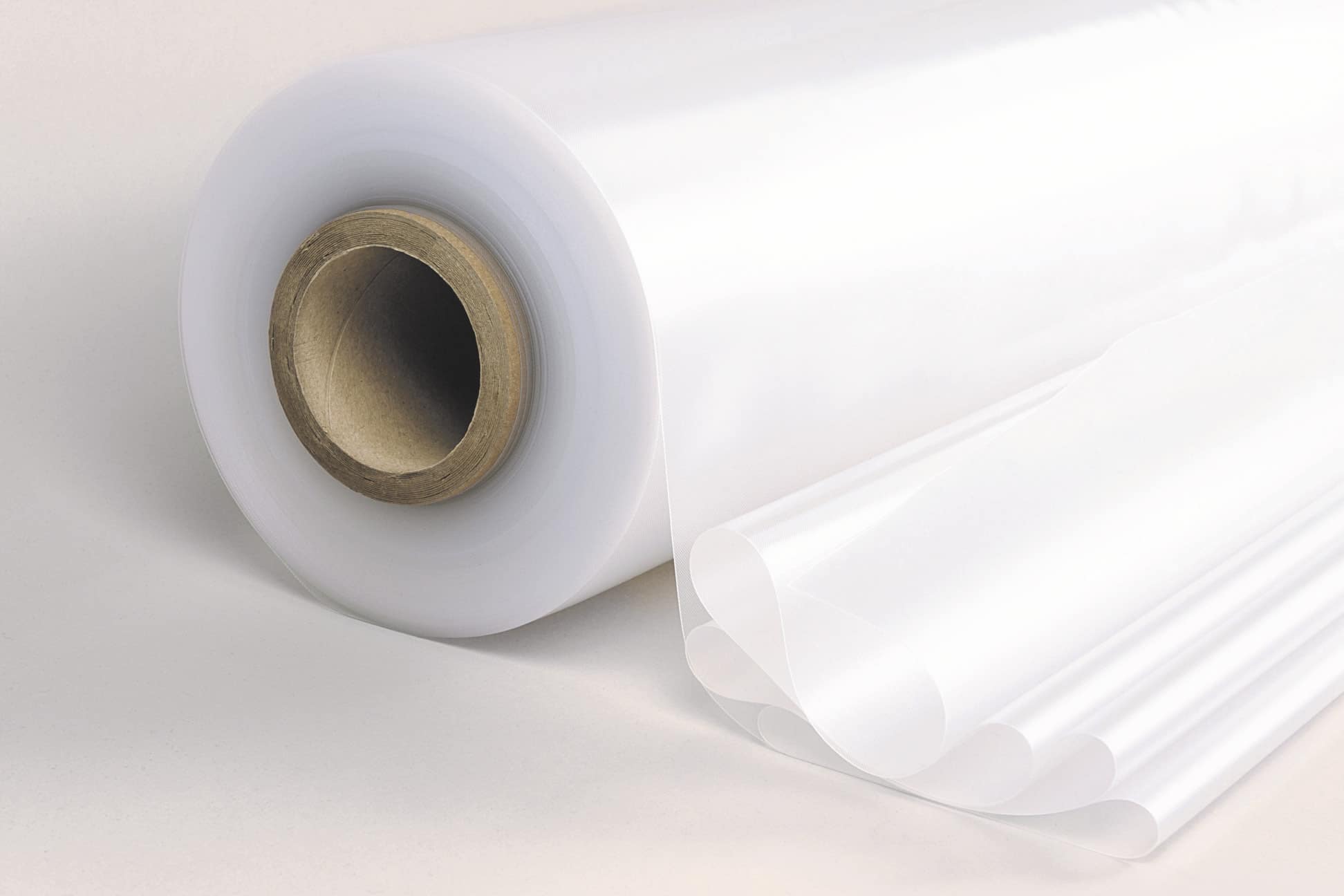
Ethylene vinyl acetate (EVA) has long been the material of choice for the encapsulation of silicon PV modules. Cheap and easy to process, EVA benefits from an established, cost-optimized supply chain, alongside decades of research for its specialized application in PV modules. This has left few opportunities for other materials to gain market traction. However, …

Advertisement
Advertisement
Advertisement
Advertisement