US government bans products from four Xinjiang-based solar manufacturers

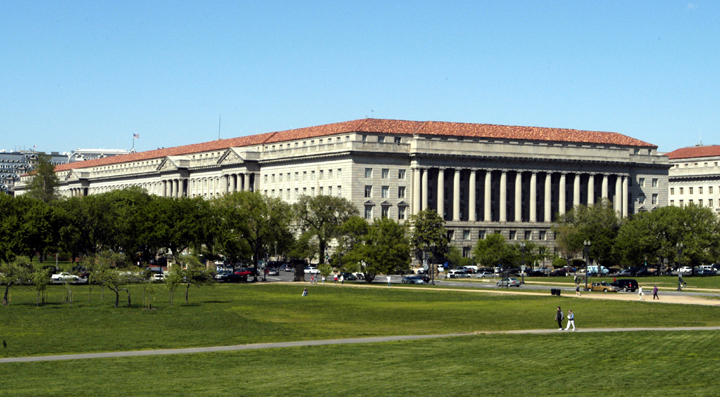
The U.S. Government has decided to ban products from four Xinjiang-based solar manufacturers over alleged forced labor allegations, according to Reuters which cites two unidentified sources close to the matter.
According to the article, the U.S. Department of Commerce has decided to ban product imports from China’s largest silicon manufacturer Hoshine Silicon Industry Co, which is the main provider of all major polysilicon producers based in Xinjiang, and three polysilicon makers – Daqo, East Hope and GCL New Energy Material Co., which is a unit of GCL New Energy Holdings Ltd.
The ban also includes state-owned Xinjiang Production and Construction Corps, which is involved in agricultural, industrial, transportation, construction, and commercial operations and undertakes economic construction tasks in the Xinjiang province.
According to Reuters, the Department of Commerce has explicitly mentioned human rights violations, mass arbitrary detention, forced labor, and high-technology surveillance against Uyghurs and Kazakhs, among the reasons for the banning of the five companies’ products.

Please login to comment

[…] the end of June, CBP announced that imports containing silica from a Chinese company called Hoshine would be banned due to concerns of forced labor. By industry analyst estimates, Hoshine provides roughly 60% of the […]
[…] the end of June, CBP announced that imports containing silica from a Chinese company called Hoshine would be banned due to concerns of forced labor. By industry analyst estimates, Hoshine provides roughly 60% of the […]
[…] Production and Construction Corp. (“XPCC”) is a state-owned enterprise involved in commercial operations in Xinjiang. XPCC has also been added to the U.S. Treasury Department Specially Designated […]
[…] Production and Construction Corp. (“XPCC”) is a state-owned enterprise involved in commercial operations in Xinjiang. XPCC has also been added to the U.S. Treasury Department Specially Designated […]
[…] Production and Construction Corp. (“XPCC”) is a state-owned enterprise involved in commercial operations in Xinjiang. XPCC has also been added to the U.S. Treasury Department Specially Designated […]
[…] Production and Construction Corp. (“XPCC”) is a state-owned enterprise involved in commercial operations in Xinjiang. XPCC has also been added to the U.S. Treasury Department Specially Designated […]
[…] Production and Construction Corp. (“XPCC”) is a state-owned enterprise involved in commercial operations in Xinjiang. XPCC has also been added to the U.S. Treasury Department Specially Designated […]
[…] Production and Construction Corp. (“XPCC”) is a state-owned enterprise involved in commercial operations in Xinjiang. XPCC has also been added to the U.S. Treasury Department Specially Designated […]
[…] Production and Construction Corp. (“XPCC”) is a state-owned enterprise involved in commercial operations in Xinjiang. XPCC has also been added to the U.S. Treasury Department Specially Designated […]
[…] Production and Construction Corp. (“XPCC”) is a state-owned enterprise involved in commercial operations in Xinjiang. XPCC has also been added to the U.S. Treasury Department Specially Designated […]
[…] Production and Construction Corp. (“XPCC”) is a state-owned enterprise involved in commercial operations in Xinjiang. XPCC has also been added to the U.S. Treasury Department Specially Designated […]
[…] Production and Construction Corp. (“XPCC”) is a state-owned enterprise involved in commercial operations in Xinjiang. XPCC has also been added to the U.S. Treasury Department Specially Designated […]
[…] decisión de prohibir los productos de cuatro fabricantes chinos de energía solar con sede en la provincia de Xinjiang adoptada la semana pasada por la Administración de Biden ya ha provocado la reacción tanto de los […]

This begs the obvious question – which brands of panels are likely to be affected?
[…] choice to ban merchandise from four Chinese solar manufacturers based in the Xinjiang province taken right this moment by the U.S. Biden Administration has already provoked response from each […]
[…] Silicon production in Xinjiang is a controversial issue outside China – particularly the topic of whether forced labor is a part of the solar value chain. The US House of Representatives in December drafted the Uyghur Forced Labor Prevention Act, which proposes banning all imports from Xinjiang unless it can be proven forced labor played no part in their manufacture. […]