Solar support in hazardous locations
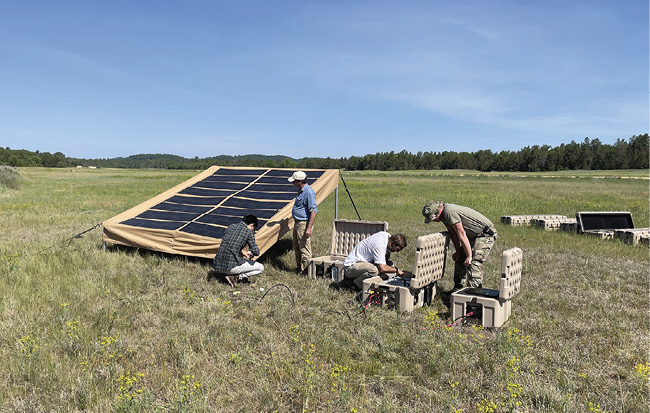
In some of the world’s most hazardous locations, a resilient and autonomous common denominator is often found – solar energy. From offshore oil rigs to remote mine sites and the frontlines of conflict zones, solar power functions where others fail, and it does so without the need of refuelling or regular maintenance. But what makes solar such a ‘no-brainer’ that even the oil and gas industry must turn to it? And what other hazardous locations can be electrified with solar? Blake Matich reports.

Solar panels may seem a juxtaposition in the midst of oilfields and atop offshore oil rigs. But thanks to its resilience and dependability, solar has found a home in some of the world’s most remote and hazardous locations, including those devoted to the extraction of fossil fuels.“For remote critical power applications, PV is more often …

Advertisement
Advertisement
Advertisement
Advertisement