Distributed bliss – 06-2022

Already a subscriber?
Login
Excerpt from the magazine

Independent, intelligent distributed energy
Energy drives our cultural and economic progress, and in the long run, humanity itself relies on sustainable energy sources. We are moving towards a future where renewables account for a dominant share of the world’s energy supply, and we know current efforts to tackle climate change are insufficient. Yet, a growing number of investors, businesses and citizens are making changes to the way they live, operate and invest to accelerate the energy transformation.
Jun 24, 2022

First notes of a symphony
Project Symphony provides a glimpse into Western Australia’s energy future, argues the project’s communications lead, Megan Allan. With a large, islanded network featuring high levels of rooftop PV penetration, the pilot on Western Australia’s grid is aggregating residential PV into a virtual power plant (VPP) to participate in a simulated bidirectional wholesale electricity market.
Jun 24, 2022
Batteries are getting better
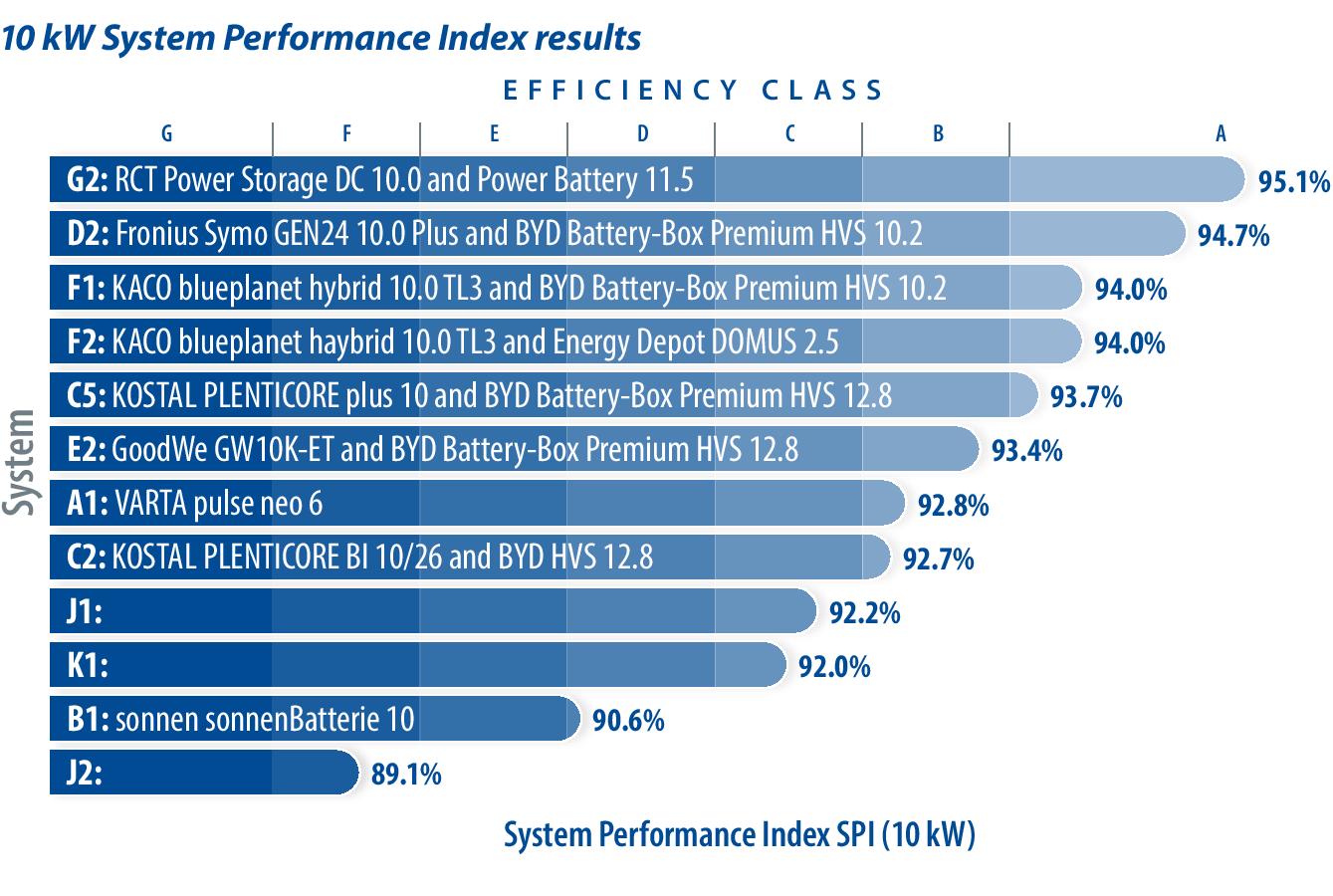
Battery energy storage systems (BESS) are getting better, according to the Energy Storage Inspection 2022 report by the University of Applied Sciences, HTW Berlin. The fifth edition of the study assessed 21 storage systems and found that while only two of the BESS studied were categorized as being efficiency class “A” in 2020, that number grew to six in 2022.
Jun 24, 2022
The art of sizing
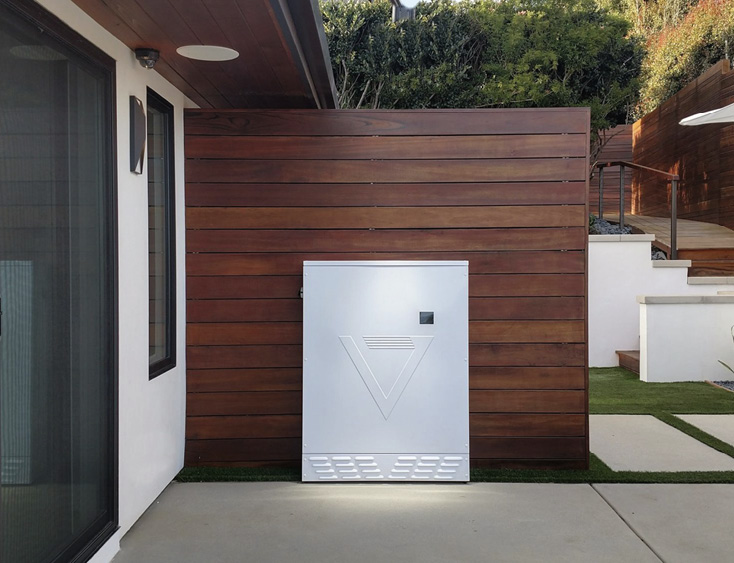
The ideal size for a battery system depends on the user’s goals. However, with regard to optimizing self-consumption, some calculation programs recommend systems that are too large, explains HTW Berlin. Here, we provide expert tips on the design and interpretation of storage system dimensions seen in pv magazine’s market overview. The outdoor trend discernible in this data is also worthy of further investigation.
Jun 24, 2022
Subscribe now for instant access to this issue and every published issue since 2016.
Subscribe

Efficiency and prices determine economics
Estimating the total cost of energy storage connected to a rooftop PV installation is a complex affair, involving factors such as tax, the policy environment, system lifetimes, and even the weather. As part of its extensive overview of distributed energy storage in Germany, pv magazine Deutschland analyzed the efficiency of different battery energy storage systems to create a comparable index that illustrates the cost of a stored kilowatt-hour.
Jun 24, 2022
Pipelines switch from p-type
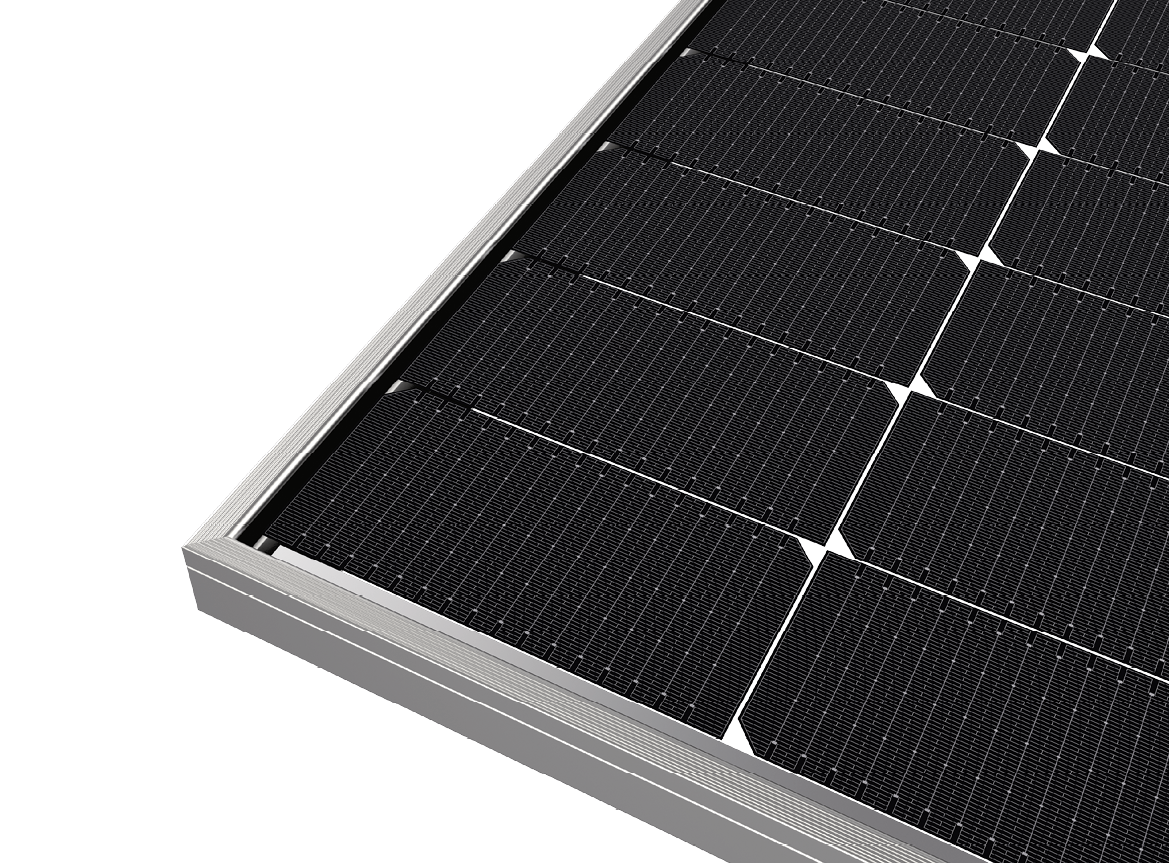
A major change is underway, and it may spell the end of p-type PV technology, says Roberto Murgioni, JinkoSolar’s head of technical service and product management EU. Some may doubt n-type’s prospects for deployment in the near-term, but Murgioni reports that at present, the company can’t keep up with demand.
Jun 24, 2022
Structural matters
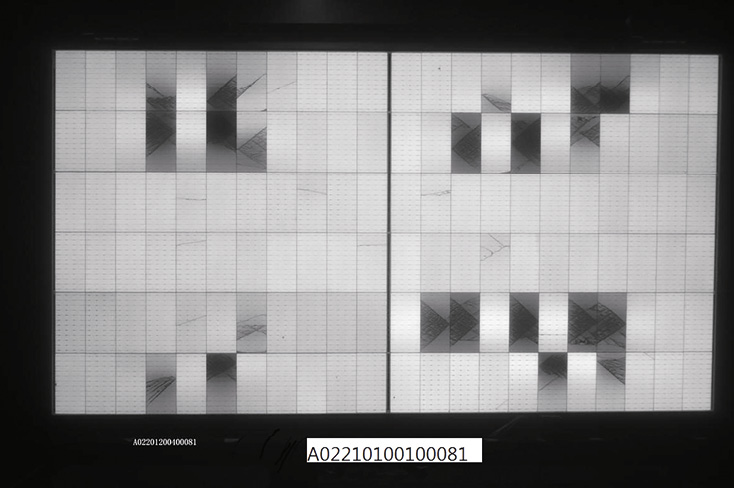
While it comes with clear performance advantages, the move to larger module formats has created plenty of confusion since it began in 2019. As the dust settles and standards emerge, pv magazine caught up with Hongbin Fang, director of product marketing at Longi Solar, to discuss the latest on wafer and cell dimensions.
Jun 24, 2022

High stakes
Despite worldwide net-zero pledges, a new EU sustainable debt taxonomy, an urgent need to address the climate crisis, and record sustainable debt investments, the world still has a long path to tread to meet its climate goals. In the third quarter of 2022, pv magazine’s UP Initiative will focus on green finance. Specifically, what steps have been made in the past two years? Will sustainability-linked bonds gain traction? What supporting policies and standards are in place or required? And what can solar companies do to be ESG-ready?
Jun 24, 2022
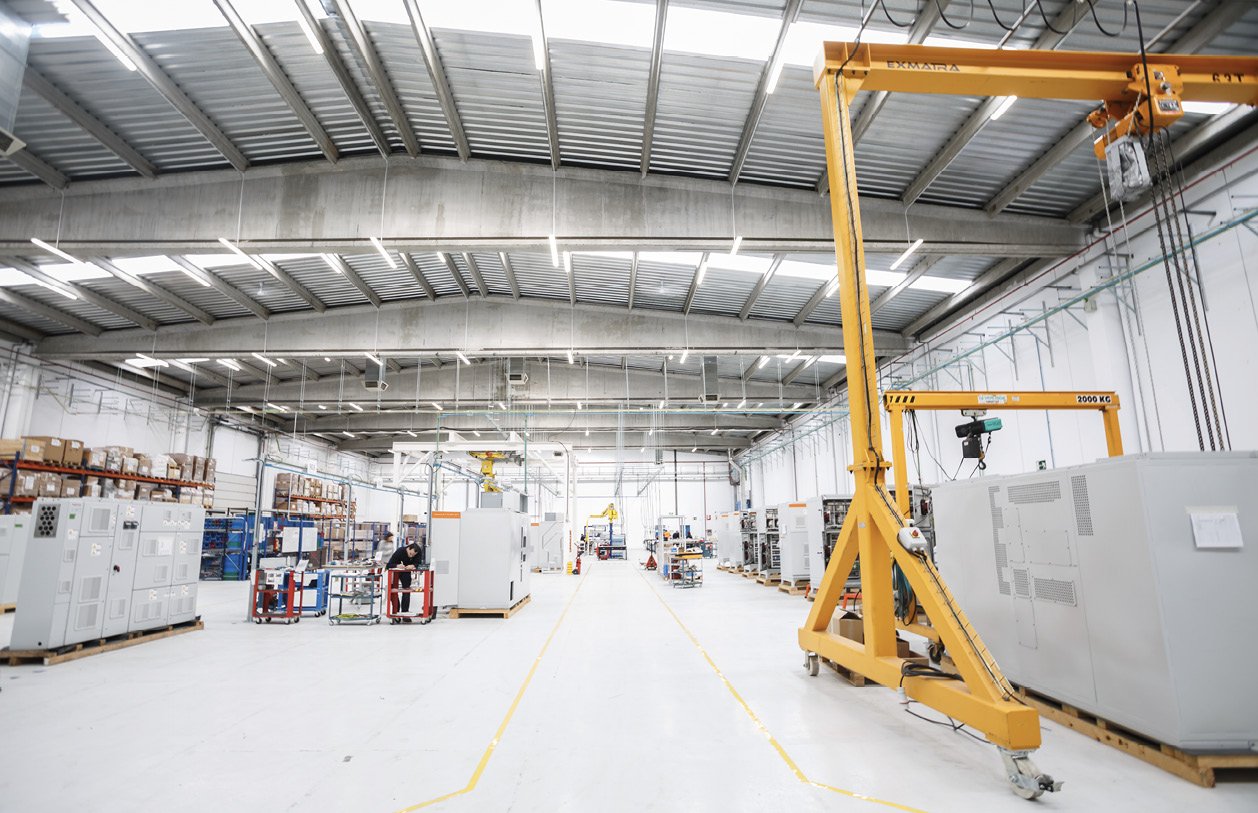

A word about inverter efficiency
Following an earlier investigation into how module PAN files can distort a project’s performance expectations (pv magazine 04/2022), Andreas Hensel, Franziska Hans and Steffen Eyhorn of Fraunhofer ISE looked at how the OND files that model inverter performance fit into such calculations. They included measurements that show how efficiency values on manufacturer datasheets can be overly optimistic by as much as 0.4%. This could affect the way PV systems are planned and designed, with potential impacts on performance.
Jun 24, 2022

European equipment revitalization
After close to a decade of vigorous competition from newer Chinese rivals, European production equipment suppliers may be on the verge of a new dawn. That was certainly the sentiment at the Intersolar Europe trade fair in May, with the Enel heterojunction project providing gigawatts of hope.
Jun 24, 2022
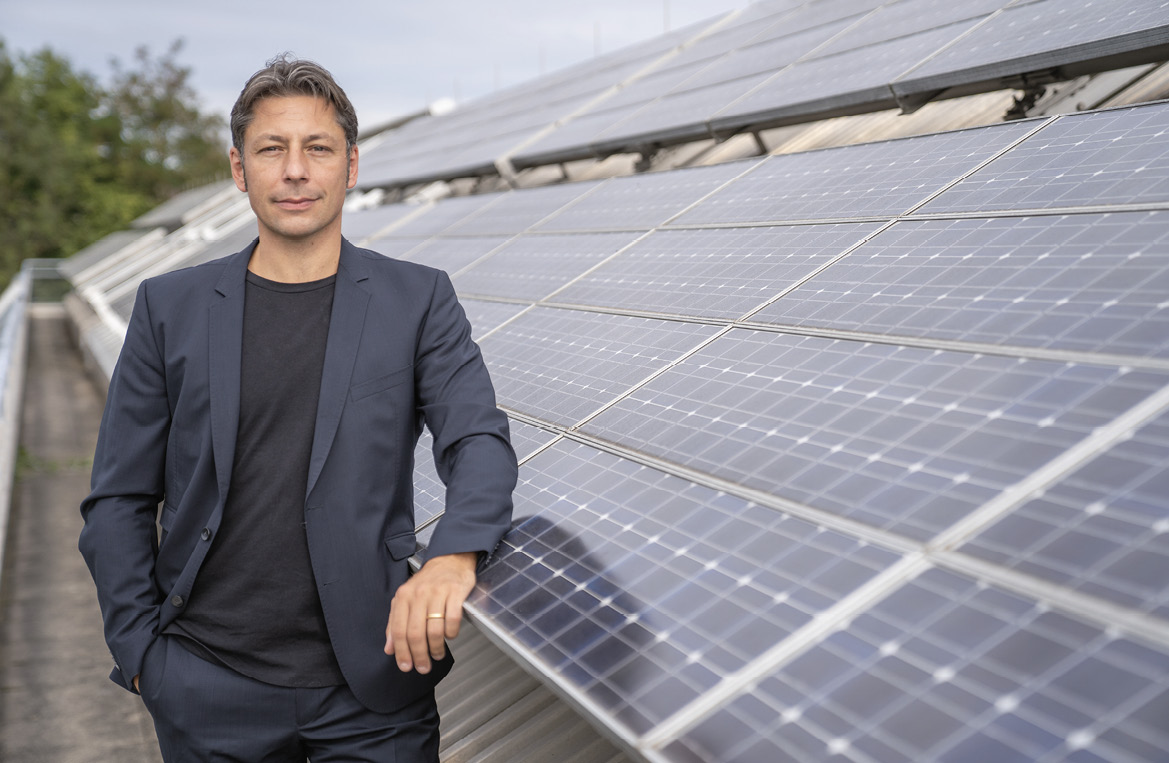
Data for circular solar
The increasing number of PV modules coming to end of life and being discarded is looming as a challenge to the industry. Researchers from the Bern University of Applied Sciences (BFH) are tackling the issue with data – developing a prototype of an asset database to facilitate reuse and recycling activities. Roger Nyffenegger, Ässia Boukhatmi, and Stefan Grösser report on how the project could pave the way for a mind shift towards a data-based circular PV industry.
Jun 24, 2022
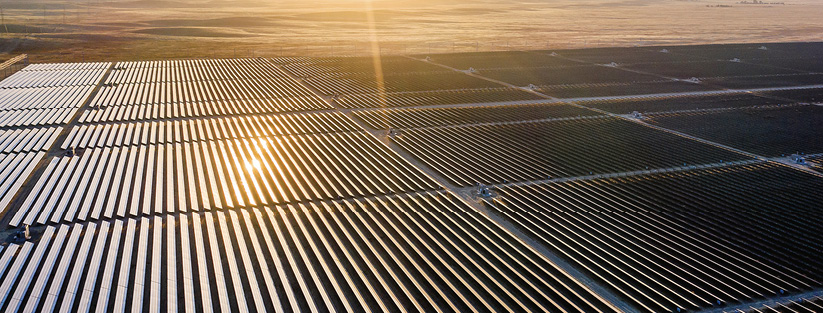
Power losses increasing, on closer inspection
A study by Raptor Maps has shown that yield losses are increasing as anomalies in inspected PV power plants continue to go up. Eddie Obropta, the co-founder and CTO of Raptor Maps, reports that string-level anomalies are impacting power output adversely.
Jun 24, 2022
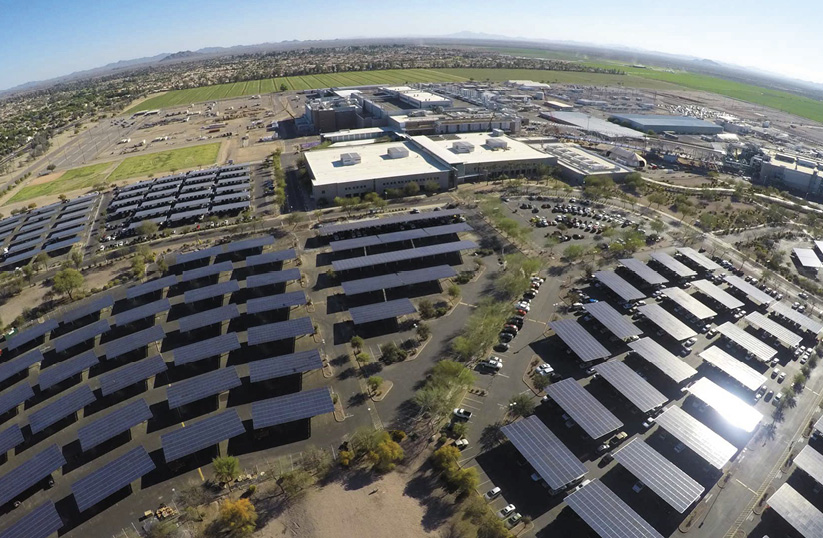
Big data steps in
US-based semiconductor manufacturer Intel is one of the biggest chipmakers on the planet and is working on net-zero by 2040 targets. But it’s also looking outward, aiming to modernize grids at the utility-level. Mike Bates, general manager of Intel’s energy vertical, sat down with Tristan Rayner to discuss Intel’s solution for grid-level monitoring and control for utility customers. The aim is to allow for “unlimited” renewables to be added without bottlenecks, and coalitions of grid operators across the globe are forming.
Jun 24, 2022
Solar support in hazardous locations
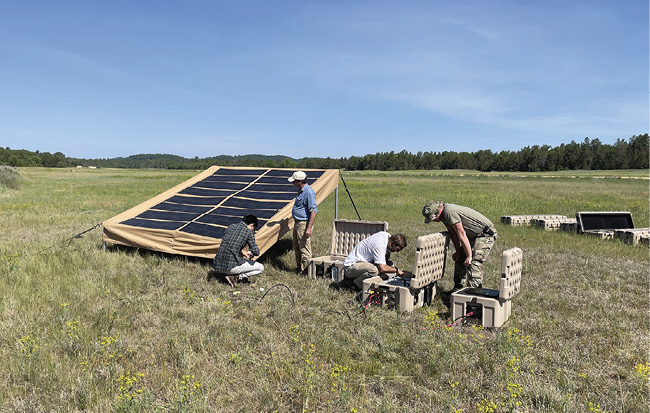
In some of the world’s most hazardous locations, a resilient and autonomous common denominator is often found – solar energy. From offshore oil rigs to remote mine sites and the frontlines of conflict zones, solar power functions where others fail, and it does so without the need of refuelling or regular maintenance. But what makes solar such a ‘no-brainer’ that even the oil and gas industry must turn to it? And what other hazardous locations can be electrified with solar? Blake Matich reports.
Jun 24, 2022
When a spark becomes a fire
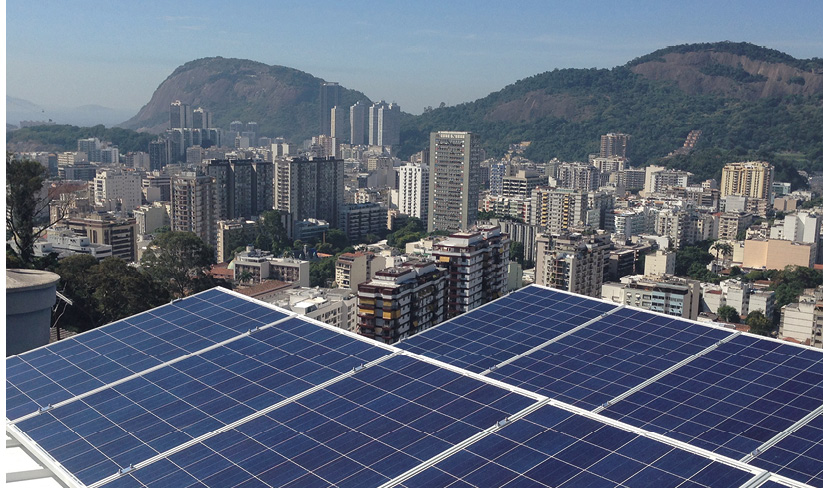
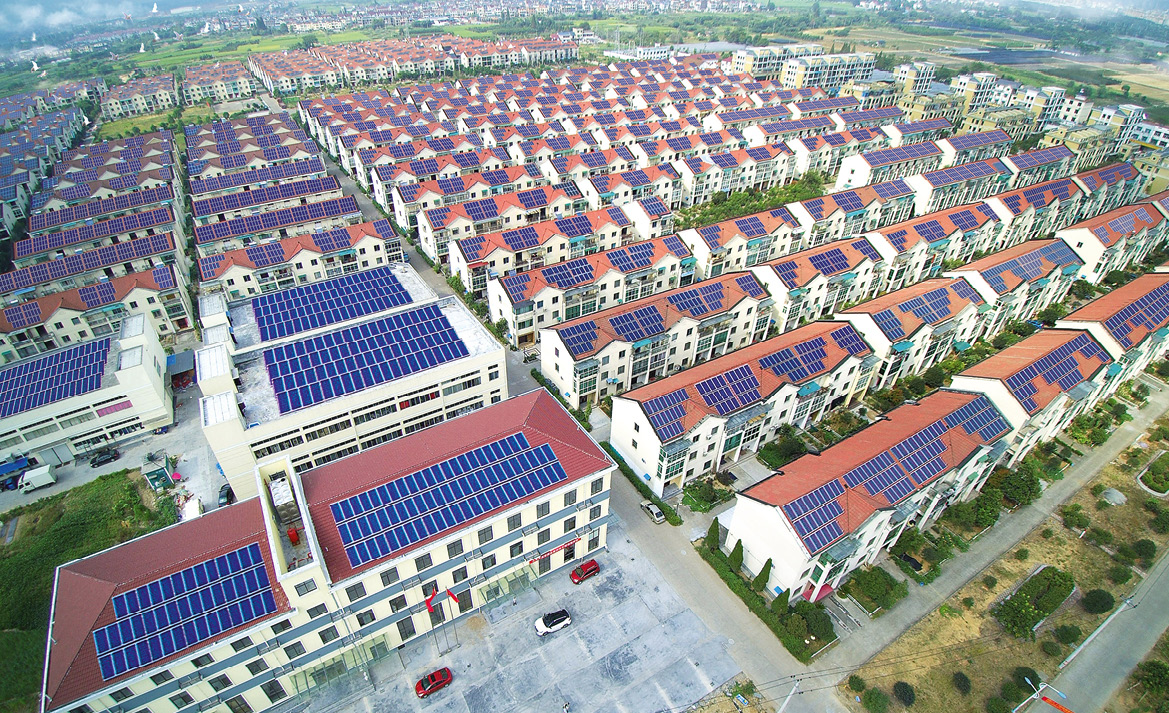
In 2021, China installed 21.6 GW of residential PV, which accounted for nearly 40% of the total annual installation figure of 54.9 GW. Spool back to 2018, and the residential segment clocked in at a mere 3 GW – less than 7% of the total for the year. Vincent Shaw in Shanghai reports on how changing market priorities caused a spark that quickly became a fire.
Jun 24, 2022

Australia’s green swell
In May, Australia voted out its conservative government, which had held power for almost a decade. Instead, it turned to Labor, female independents, and minor parties with far greater climate ambitions. In short, it shifted to an entirely different approach to politics.
Jun 24, 2022

Reforms loom, Cyprus begins to move
Cyprus is a laggard in renewable energy development compared to many of its European neighbors. Given its reliance on oil and gas imports, the consequences are now being felt by electricity consumers on the island. However, as Ilias Tsagas reports, a combination of factors may soon provide the leverage that changes the game fast.
Jun 24, 2022
Italy’s super solar rooftops
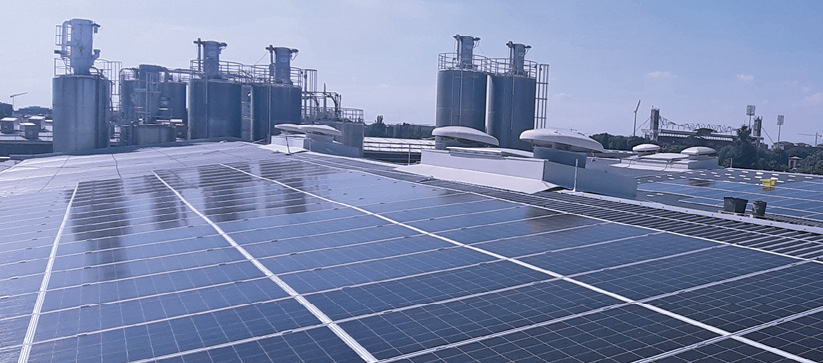
Despite the lack of timely data on rooftop solar installations in Italy, the general trend seems clear: Subsidies in the country have boosted the installation of rooftop PV arrays, often coupled with battery energy storage systems in the residential segment. Sergio Matalucci looks at the policies behind the strong adoption levels, and what’s in store with central support policies in doubt.
Jun 24, 2022

With collaboration comes meteoric growth
The solar industry is heating up, with rapid technological advances and supply chain optimization lowering costs by 50% in the past five years. McKinsey & Company predict that the levelized cost of energy will fall another 65% by 2040. Based on this progress and increasing political will for decarbonization, McKinsey and Company’s Bram Smeets and Jesse Noffsinger point to a period of rapid expansion ahead.
Jun 24, 2022

Europe and US manufacturing look to localize
Intersolar Europe saw a marked increase in attendance this year, with robust module order requests and excess inverter demand in the European market. The exhibition was abuzz with recent developments in global trade: the US-China trade war, India’s expansion plans, discussions on expanding manufacturing overseas and “made in Europe” came to the fore. PV InfoLink’s Amy Fang sums up the latest developments as Europe, India, and the United States seek independence in PV manufacturing.
Jun 24, 2022

Hybrid systems in demand
The past two decades have seen a boom in solar, driven by falling costs and rising efficiencies, with global capacity additions reaching 176 GW in 2021. Most PV generating capacity added to date has been standalone projects, driven by subsidies, tenders and the drive for the lowest levelized cost of electricity (LCOE). But as the penetration rate of standalone solar increases, so does the potential for a negative impact on power markets and network stability, writes Jason Sheridan of IHS Markit.
Jun 24, 2022
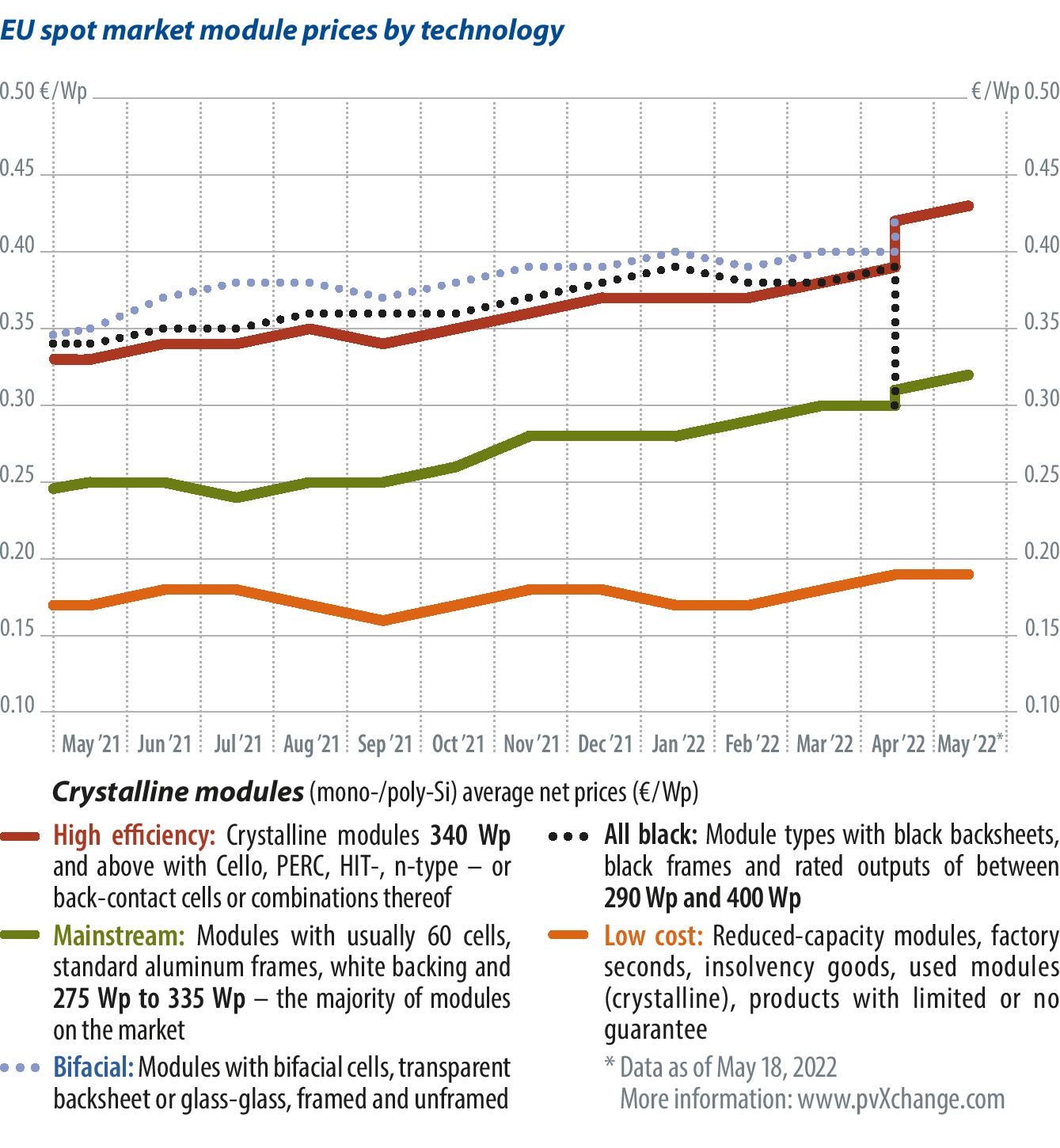
The times, they are a changing
In borrowing a headline from Bob Dylan, what we really want to express is the introduction of a “remade” price index based on new price categories. Continued advances in cell technology and format, particularly when it comes to steadily rising efficiencies, have necessitated some reshuffling so that specific price developments can be more accurately reflected in the index – but more about that later. First, Martin Schachinger of pvXchange will shed some light on the dramatic overall market situation for modules, and even more so for inverters and storage systems.
Jun 24, 2022
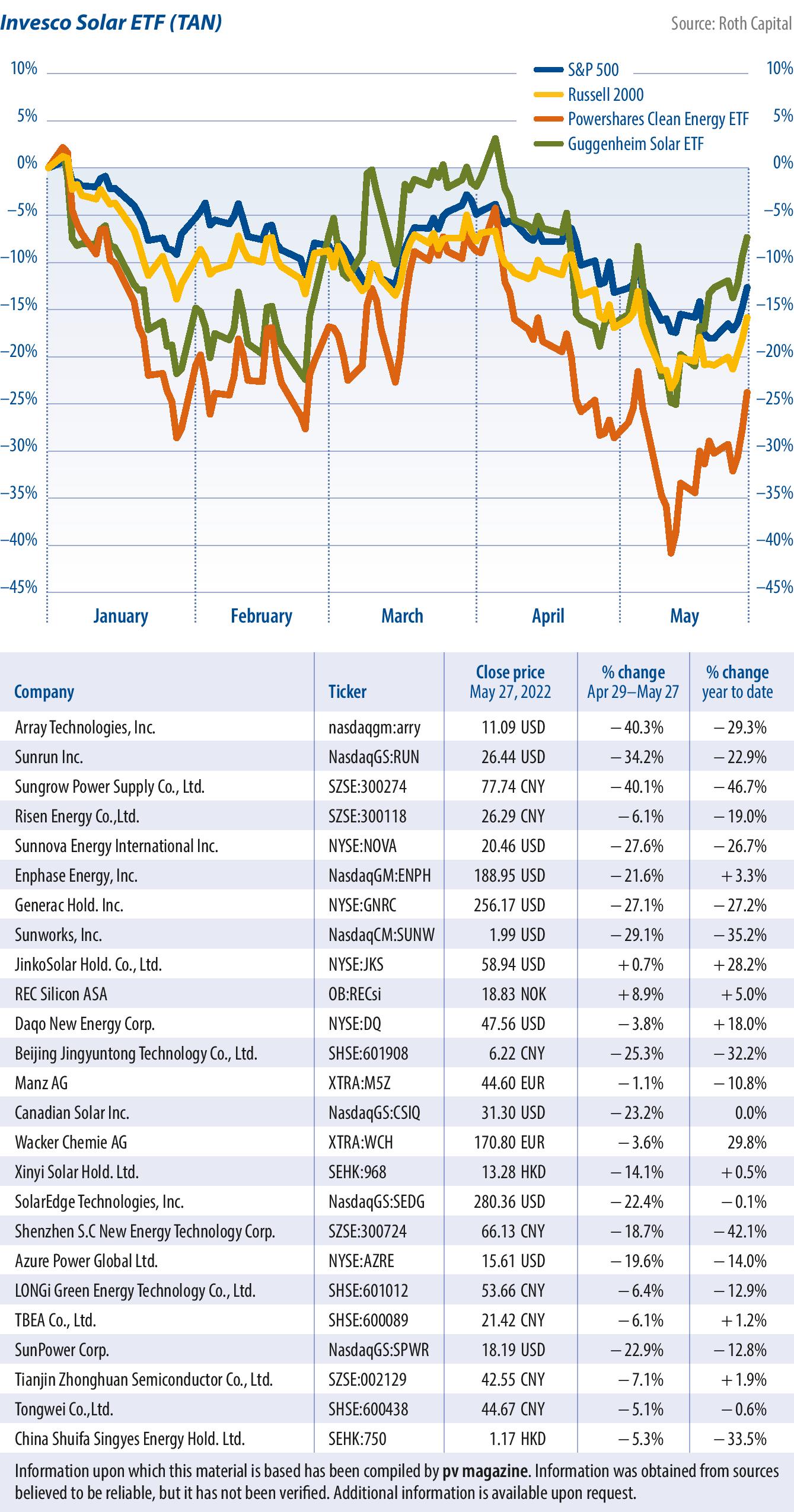
Awaiting intervention
In May, the Invesco Solar ETF (TAN) jumped 11.0%, while the S&P 500 increased by 0.6% and the Dow Jones Industrial Average rose by 0.7%. Jesse Pichel of ROTH Capital Partners sees the impacts of the current anti-circumvention case in the United States as the main reason why solar outperformed broader markets.
Jun 24, 2022