Grid forming future
Electricity grids have relied on a spinning mass to ensure stability since the first thermal power plants connected to a network, but the increasing penetration of renewable generation in the energy mix means new solutions are required for inertia and other stability services. Grid-forming inverters are ready to step in and when paired with battery energy storage systems (BESS), offer a full suite of stability capabilities, as
S&P Global’s Tiffany Wang explains.

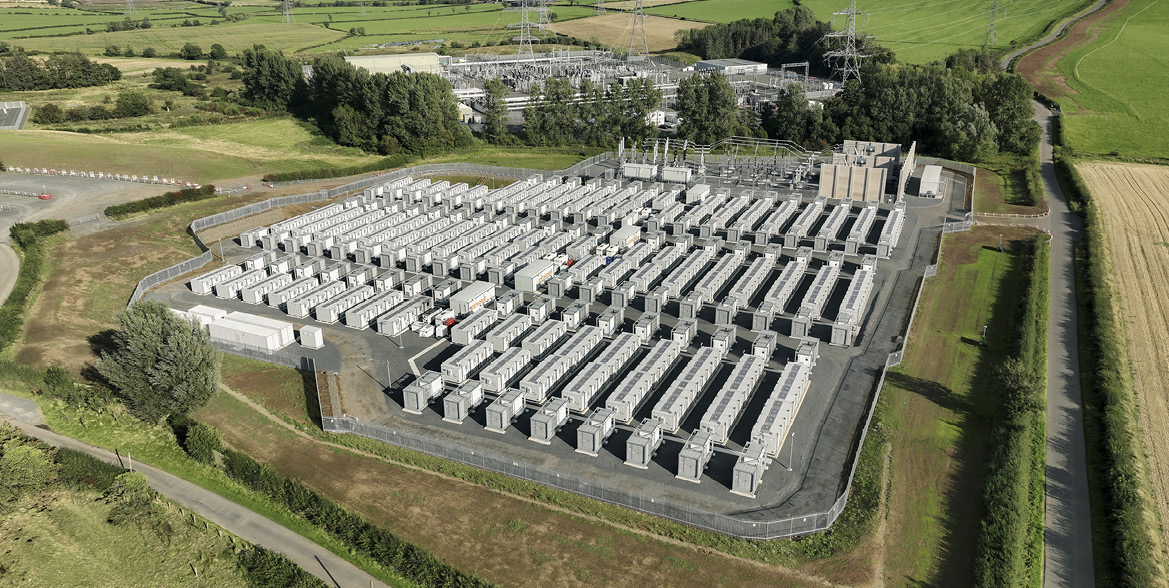
Grid-forming inverters provide resilience as conventional generators retire. Electricity grids have traditionally relied on heavy, rotating synchronous generators driven by conventional thermal power sources like coal, gas, and nuclear to provide stability. These synchronous generators convert mechanical power to electric power by rotating in lockstep to generate AC electricity to the grid. Solar, wind, and …
Advertisement
Advertisement
Advertisement
Advertisement