GameChange Energy integrates platforms to simplify utility-scale solar

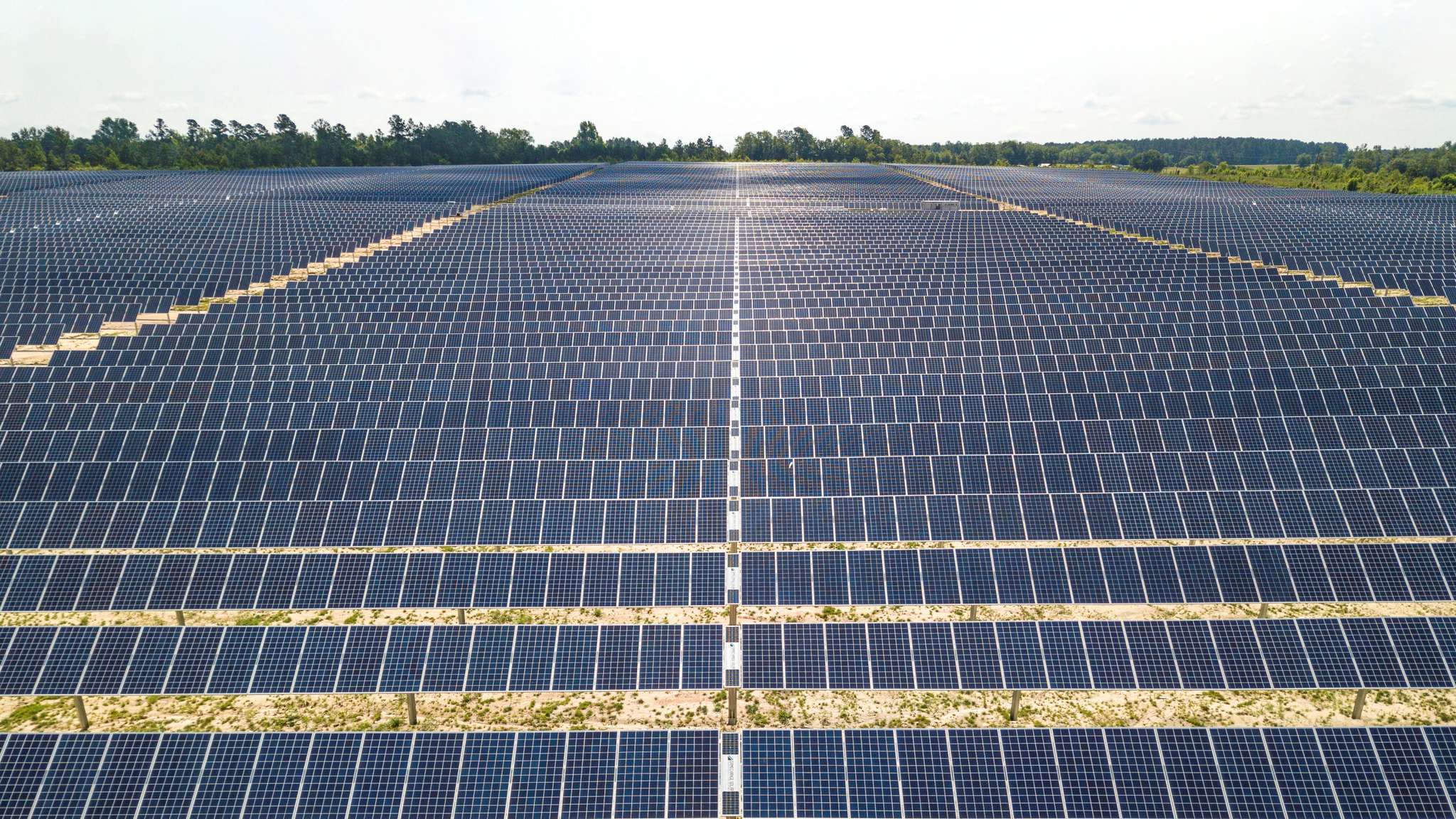
How does the fragmented utility-scale solar supply chain impact developers and EPCs?
Vyhanek: The economics of utility-scale solar have always depended on execution – getting the right equipment to the right place at the right time, then keeping systems running at full capacity. But as utility-scale solar projects grow larger and more complex, managing multiple suppliers for trackers, transformers, eBOS, and inspection programs creates more handoffs, greater risk, and more time spent on logistics rather than performance.
What’s driving GameChange Energy’s recent expansions?
Vyhanek: GameChange Energy, with over 58 GW of trackers deployed across six continents since 2012, has spent the past two years building an integrated platform to reduce the supply chain burden on developers and EPCs.
Last year, GameChange’s expansion into transformer manufacturing addressed one of the industry’s most persistent procurement bottlenecks. With lead times stretching to 18 months or more, developers have faced delays that threaten project economics before construction even begins. GameChange’s 180,000 square foot Navi Mumbai facility, with 5,400 MVA of annual capacity, delivers in weeks. It’s already surpassed 1,400 MVA in transformer orders since opening in 2025. The facility is ISO 9001, 14001, and 45001 certified and recently earned CPRI short-circuit certification, providing the third-party validation that bankability assessments require.
How does GameChange’s eBOS acquisition fit into that picture?
Vyhanek: TerraSmart’s eBOS division, with its Michigan-based manufacturing and 14 GW of deployed experience, has brought a different kind of value to GameChange. eBOS has traditionally been specified late in the design process, after tracker and racking layouts are fixed – limiting the opportunity to optimize how power flows from panel to inverter to transformers.
With tracker and eBOS engineering now under one roof, developers benefit from layouts designed together from the start. For instance, optimized wire topology can reduce string wire usage by up to 25% on a given site, lowering both material costs and resistive losses.
What does the Raptor Maps partnership add?
Vyhanek: This partnership extends integration into long-term operations. By connecting GeniusVision (GameChange’s tracker monitoring solution) with Raptor Maps’ Sentry robotic inspection platform, O&M teams gain a system that responds to anomalies autonomously – deploying inspections without crew dispatch, returning data to improve tracker performance over time, and providing systematic site coverage after severe weather events that would otherwise take days to assess manually.
What does the full platform offer?
Vyhanek: These three expansions, now brought under the single brand GameChange Energy, model client-centered integration that results in fewer handoffs, less overhead coordination, and more accountability concentrated in a single partner throughout a project’s lifetime.
The questions and responses in this sponsored interview article were provided by GameChange Solar.
This content is protected by copyright and may not be reused. If you want to cooperate with us and would like to reuse some of our content, please contact: [email protected].
Please login to comment