Ofgem approves rule changes for UK frequency response markets

From ESS News
Battery asset owners trading in Great Britain’s frequency response markets faced a mixed outcome after Ofgem ruled in favor of some rewrites to the terms and conditions governing its Dynamic Response suite of frequency services, while rejecting others.
Grid operator NESO originally put ten amendments out for industry consultation between November 20 and December 19, 2025, later withdrawing two before a final submission to Ofgem. The regulator has approved six of the remaining eight proposed amendments, split across two effective dates.
The first approved changes are effective from July 31, 2026, and include a new link between how providers signal their availability in Great Britain’s balancing market and their ability to operate in frequency service markets. Under the new rule, any balancing mechanism unit (BMU) that fails to submit a valid Final Physical Notification (FPN) – the locked-in declaration of a unit’s planned output or consumption for a given settlement period – will be deemed unavailable for Dynamic Response, regardless of the unit’s actual technical capability.
Rules governing how Dynamic Response revenues are stacked with other NESO services have also been tightened, with a new requirement for a pre-approved baseline methodology where assets are also contracted under the Stability Network Procurement Services. This has been introduced in a bid to stop providers being paid twice for the same capability. A third administrative change alters some names in a section of the terms governing availability payment calculations.
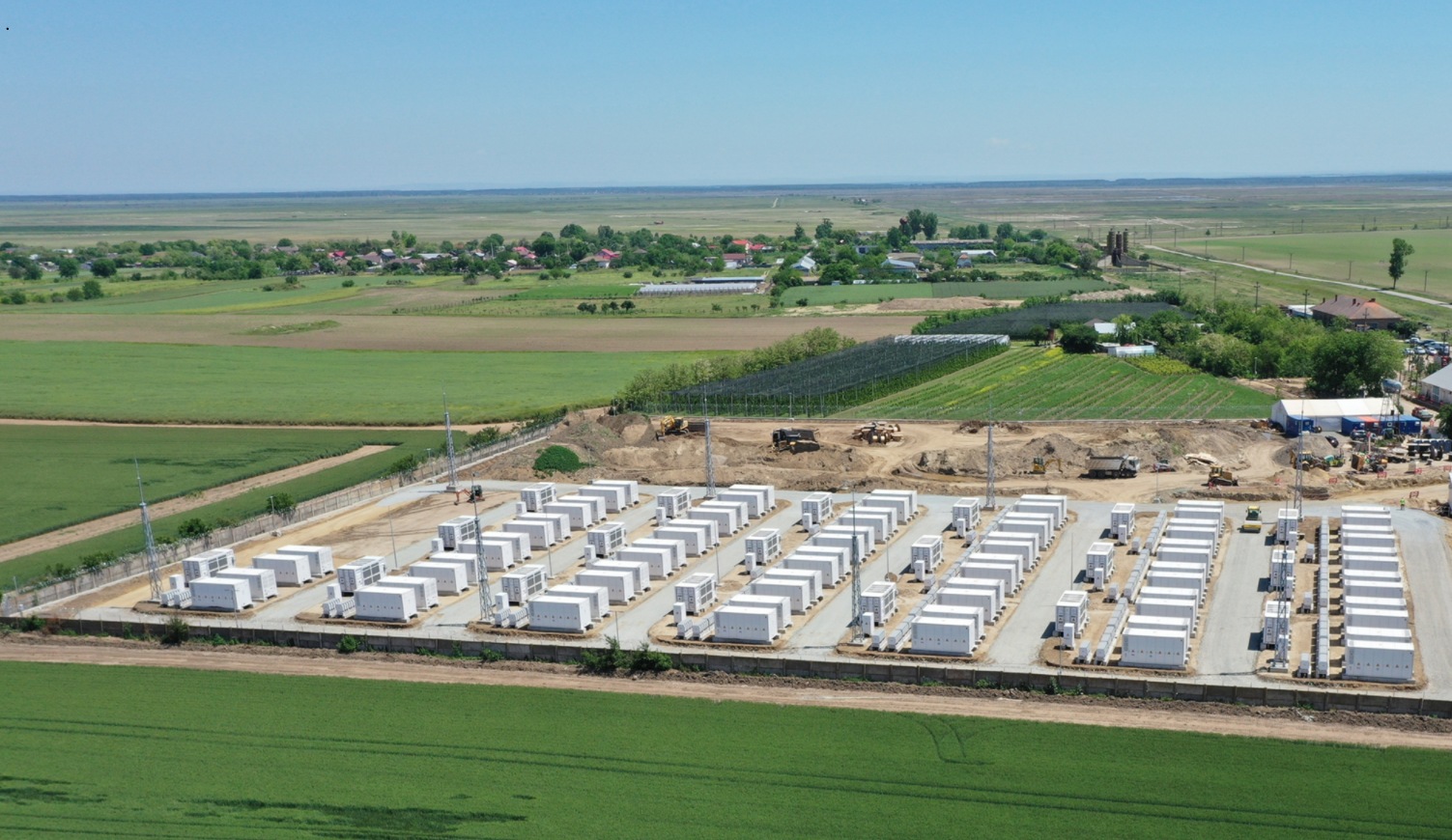
Frequency response markets made up a significant proportion of battery energy storage system (BESS) revenues in the early years of BESS deployment in Great Britain, although increased deployment has applied downward pressure on revenues from these services. While BESS assets trading in Great Britain often operate with diverse revenue stacks, frequency markets continue to be important for many assets.
NESO claims its proposed changes to the Dynamic Response Services – the suite of frequency services consisting of Dynamic Containment, Dynamic Moderation and Dynamic Regulation – will improve operational effectiveness, enhance security, competition and value for money.
Further changes will come into effect on Jan. 1, 2027, with implications for Dynamic Response participants that do not trade in the Balancing Mechanism market – a category that includes smaller and aggregated battery assets.
Under current rules, providers can mark their battery as “disarmed” in their performance data when it has been deliberately taken out of service – sometimes on NESO’s own instruction. This prevents the asset from being penalized for not responding to a frequency event.
The new rule would apply a penalty to any provider that marks their unit as disarmed without being instructed to do so. A further amendment gives NESO the right to publish penalty data for individual providers, a transparency measure Ofgem called proportionate despite some concerns over commercial sensitivity.
Ofgem has also approved a requirement to submit operational metering and operational baseline data even outside contracted periods, with market participants needing to hit 80% over a rolling assessment period of up to 28 days to remain active in daily auctions. NESO said the rule mainly targets non-BMU providers, since BMUs already submit equivalent data under the grid code.
Two NESO proposals were rejected by Ofgem, although they could be revived. An attempt to introduce a four-step penalty ladder for underperforming providers, and an expansion of the grid operator’s power to suspend providers from the market were both rejected due to insufficient industry consultation. Ofgem said it remains open to a resubmission once that guidance has been properly consulted on, adding that NESO could still hit its original Jan. 1, 2027, target for tiered penalties if it moves quickly.
All three decision notices are available from Ofgem.
This content is protected by copyright and may not be reused. If you want to cooperate with us and would like to reuse some of our content, please contact: [email protected].

Please login to comment