Germany plans to reduce subsidies for heat pumps

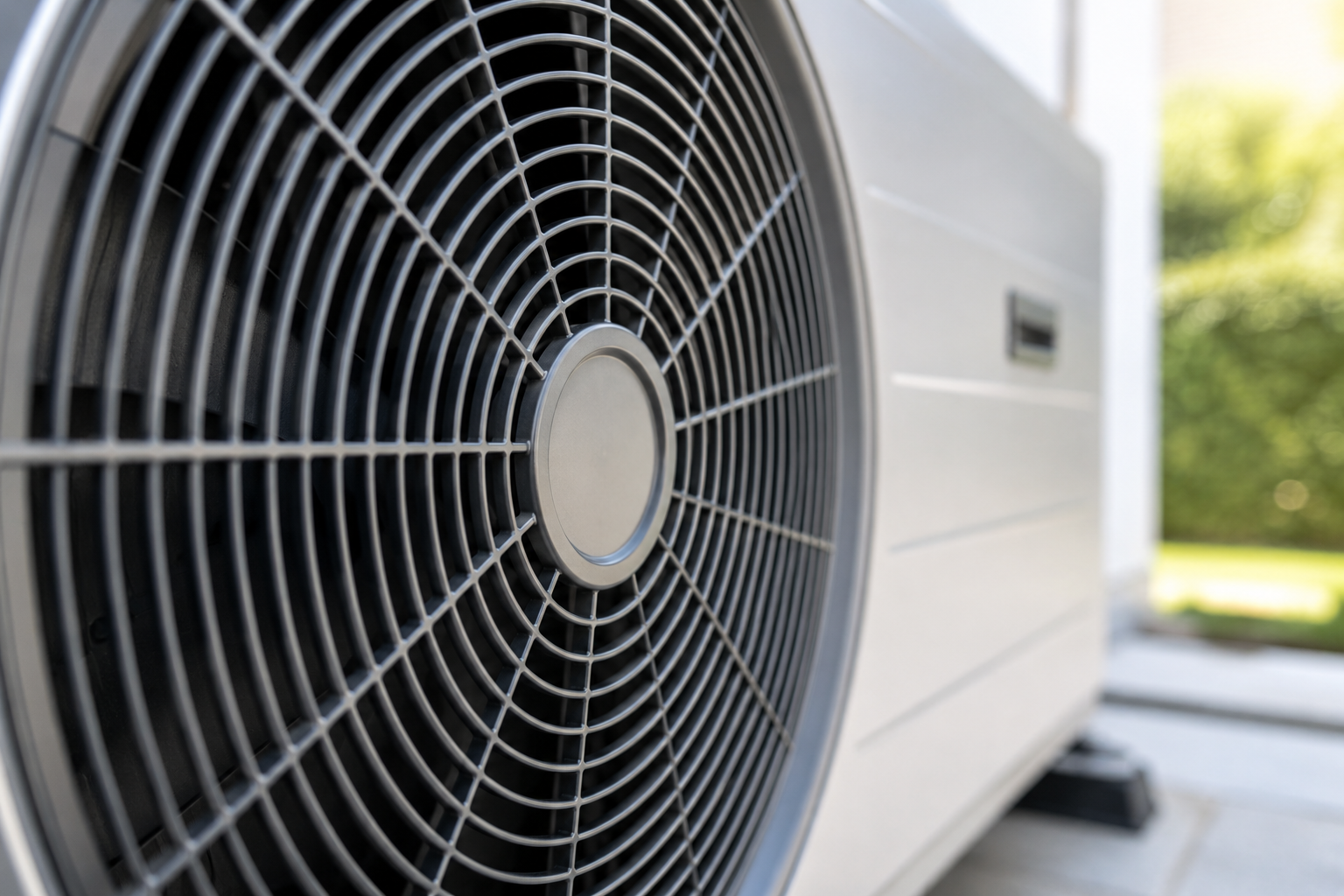
The German government is planning to reduce the Federal funding for efficient buildings (BEG), which includes conspicuous subsidies for the installation of residential heat pumps.
Under the planned changes, eligible costs would be reduced from €30,000 ($34,231) to €28,000 when the program is relaunched. The cap would then fall by a further €750 every six months, reaching €22,000 in the second half of 2030.
Eligible costs include the purchase, installation, and commissioning of heat pumps, as well as related measures such as necessary system upgrades, dismantling of old heating equipment, and associated planning and specialist services.
The proposals would also introduce a stronger income-based differentiation of subsidies. For households with a taxable income of up to €30,000, the bonus would increase from the current 30% to 40%. The subsidy rate would remain at 30% for incomes of up to €40,000 and fall to 10% for households earning €50,001 or more. Each minor child in a household would reduce the relevant income threshold by €10,000.
The planned reform would also remove the existing 5% bonus for heat pumps using natural refrigerants. Instead, the new BEG framework would require the use of natural refrigerants—or refrigerants meeting specified global warming potential (GWP) thresholds—as a condition for receiving funding.
The government also intends to introduce a “Made in Europe” bonus from the first quarter of next year. In the first quarter of 2027, a value-added bonus is expected to be introduced. As a result, the basic subsidy for heat pumps manufactured, built, or assembled outside the EU will be reduced to 15%. At the same time, heat pumps produced within the EU will qualify for an additional 15% value-added bonus.
Funding for the subsidy program would continue to come from the Climate and Transformation Fund (KTF) and repayments from the EU Climate Social Fund. The repayment grants for loans issued through the state development bank KfW could also be reduced by 10%.
According to the plans, subsidies would no longer apply to replacing district heating systems with other heating technologies. Instead, support would focus exclusively on switching from fossil fuel-based heating systems to climate-friendly alternatives.
The timeline for adopting the changes remains uncertain. The measures are expected to be introduced alongside the Building Modernization Act. However, that legislation has been removed from the agenda for the Parliament’s final session week before the summer recess, meaning discussions may not resume until September at the earliest.
This content is protected by copyright and may not be reused. If you want to cooperate with us and would like to reuse some of our content, please contact: [email protected].

Please login to comment