Amsterdam tightens conditions around sustainable solar panel subsidy

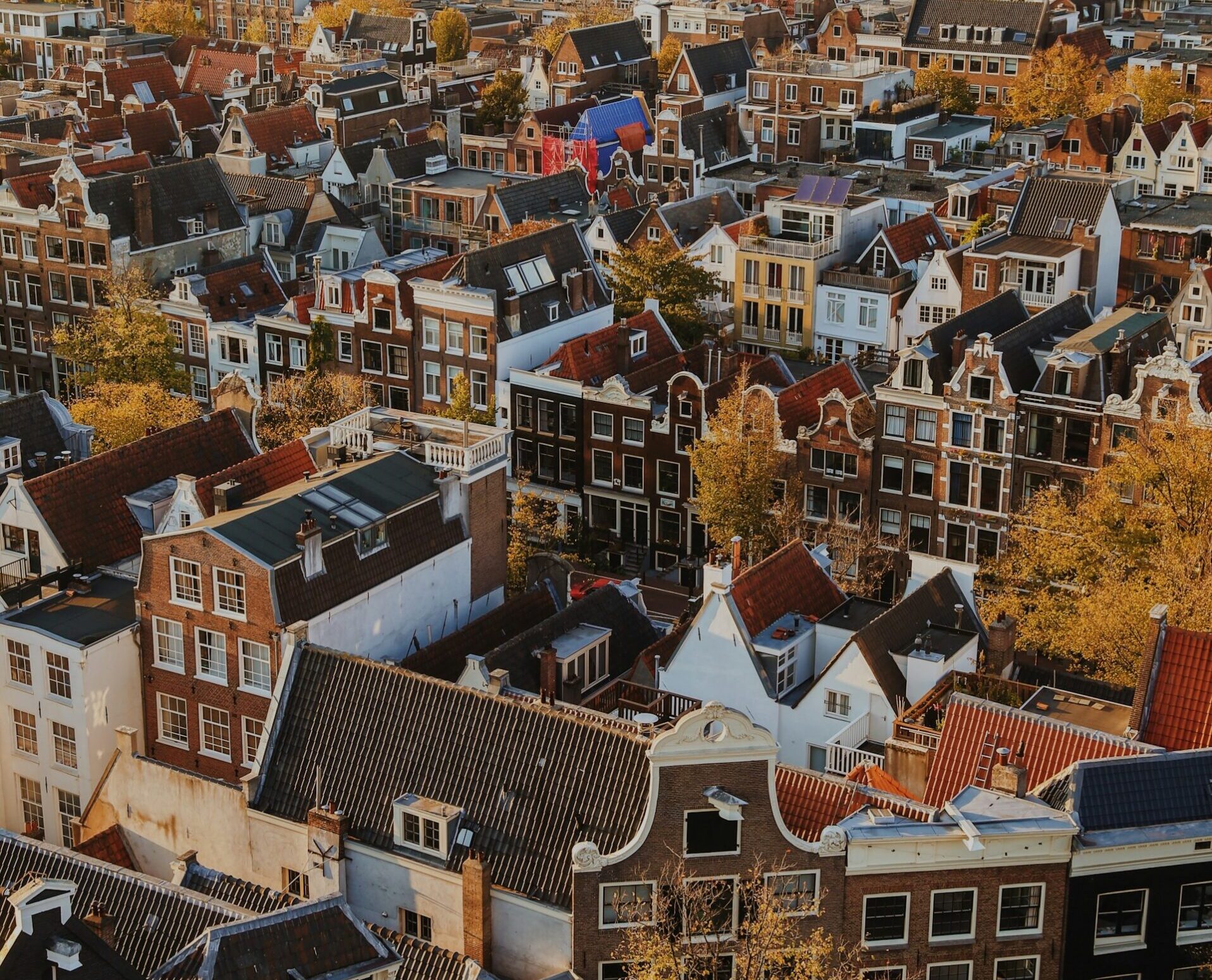
Amsterdam is extending its subsidy scheme for sustainable solar panel installations, while announcing the conditions for qualifying panels is being tightened.
The Dutch capital has run a subsidy for sustainably-produced solar panels, known as Subsidie Duurzame Amsterdamse energie bijzondere zonnepanelen, since 2024.
It covers panels deemed highly-sustainable or lightweight, with a particular focus on panels that are PFAS-free, lead free and have a low CO2 footprint. According to figures on the city’s website, a total 3,514 such panels have been installed in Amsterdam under the scheme.
The subsidy covers 1% to 10% of total system costs, up to a maximum €100,000 ($114,016). It is open to everyone in the city, online guidance says, and has been utilized by private individuals, homeowner associations, companies and other institutions.
The city of Amsterdam has now decided to extend the subsidy until the end of 2026, with a further €700,000 available during the extension.
The most recent update on its website says stricter requirements will be imposed until the end of the year to align with the Sustainable Solar Panel Guide, developed under the direction of the Netherlands Enterprise Agency.
Panels covered by the scheme must now have a CO2 footprint that is at least half lower than standard panels, contain no toxic substances and have a low risk of forced labor in the supply chain.
“Amsterdam wants to prevent the energy transition from contributing to solar panels that run the risk of having been produced under unacceptable conditions,” said Alderman Lian Heinhuis, one of the city’s Deputy Mayors. “That is why we are choosing not only to extend the scheme but also to tighten it. After all, climate gains must not come at the expense of human rights or the environment elsewhere in the world.”
Amsterdam also recently announced a subsidy scheme tailored specifically to those living in the city that are unable to invest in solar themselves and live in energy poverty. The scheme, which offers used solar panels for installation on housing association roofs, is designed to give second hand panels a new life while giving residents free investment in solar panels.
The city expects the scheme will support around 800 households to reduce their electricity bill by the end of 2027.
Amsterdam has set a target of 80% of the energy used by households to come from solar and wind energy by 2030. By 2040, it is planning for all suitable roofs to be generating solar energy.
The Netherlands recently announced the results of its latest government subsidy for large-scale renewable projects, which backed 773 MW of solar across ground-mounted, rooftop and floating projects.
This content is protected by copyright and may not be reused. If you want to cooperate with us and would like to reuse some of our content, please contact: [email protected].

Please login to comment