Spanish operational PV assets stabilize at €596,000/MW following 50% value decline

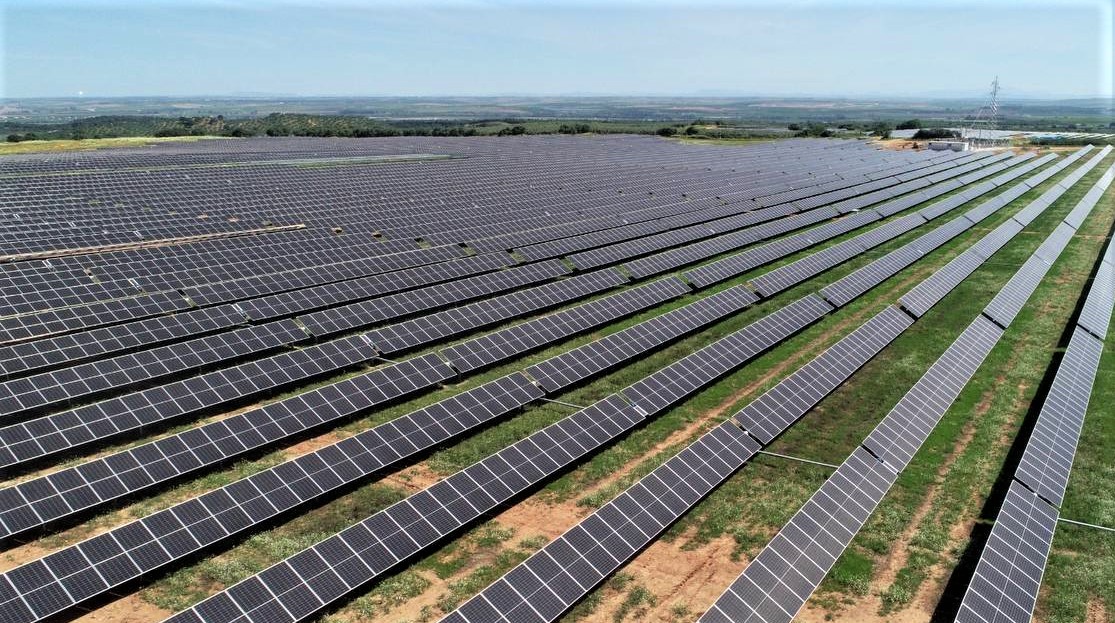
The Spanish secondary photovoltaic market has entered a stabilization phase after two years of sharp price corrections. However, valuations are increasingly diverging between projects with regulated revenues or power purchase agreements (PPAs) and those exposed to wholesale electricity markets.
The findings come from Market Insights: Spain Solar PV Asset Price Report (Q2 2026 Update), prepared by renewable asset trading platform nTeaser and shared with pv magazine by CEO Carmen Izquierdo.
The analysis is based on more than 780 expressions of interest, non-binding offers, binding offers, and completed transactions recorded on the platform during the second quarter of 2026.
Stability
Operational photovoltaic assets – defined as projects that have reached commercial operation date (COD) – were valued between €490,000 ($560,000)/MW and €720,000/MW during the quarter, with an average price of €595,700/MW. The figure remains virtually unchanged from the previous quarter.
According to nTeaser, the stability suggests that the market correction that followed the valuation peaks of early 2024, when operational assets reached around €1.1 million/MW, has reached a temporary floor.
However, the company noted that the market is becoming increasingly segmented. Plants benefiting from legacy remuneration schemes, including RD 661/2008 and the RECORE framework, continue to attract valuation premiums due to their more predictable revenue streams and lower exposure to electricity price volatility.
By contrast, merchant solar plants selling electricity directly into the wholesale market are facing greater challenges in attracting buyers, unless they are backed by PPAs with highly creditworthy counterparties.
Solar cannibalization
The report links current market dynamics to the growing structural surplus of photovoltaic generation during daylight hours. As a result, solar capture prices have fallen to historic lows of €15/MWh to €18/MWh.
Lower revenues, combined with increasing curtailment risks, have reduced profitability expectations for merchant projects, leading infrastructure funds and utilities to adopt a more selective approach to acquisitions.
Against this backdrop, hybridization with battery energy storage systems (BESS) is increasingly shifting from an optional enhancement to a key investment criterion.
Investors are particularly prioritizing projects with grid connections that support both electricity injection and consumption, allowing batteries to charge during periods of very low or negative electricity prices.
Oversupply
Photovoltaic projects in the Ready-to-Build (RtB) phase are also showing signs of stabilization.
During the second quarter, completed transactions ranged from €10,000/MW to €56,000/MW, with an average value of €32,600/MW. According to nTeaser, these figures confirm the end of the valuation correction cycle observed over the previous two years.
While the continued oversupply of solar generation is limiting revenue expectations for merchant projects, investors are increasingly focusing on asset quality, grid connection conditions, and execution risks.
Sub-5 MW projects
One of the main market developments identified by nTeaser during the quarter was renewed investor interest in projects below 5 MW following the approval of Royal Decree 7/2026.
The company said the regulation provides greater flexibility for smaller-scale developments and improves their attractiveness to investors. Although valuations remain moderate, liquidity in this segment has increased compared with previous quarters.
Storage
As with operational assets, the ability to integrate battery storage is becoming a major differentiating factor for RtB projects.
According to nTeaser, developments designed to incorporate BESS can provide greater protection against declining capture prices, improve financing conditions, and increase long-term revenue potential.
For Carmen Izquierdo, the trends recorded during the second quarter indicate that the Spanish PV market has moved beyond the period of sharp valuation declines. However, future market performance will continue to depend on high solar penetration levels and the widening gap between assets supported by regulation or long-term contracts and those fully exposed to wholesale market conditions.
This content is protected by copyright and may not be reused. If you want to cooperate with us and would like to reuse some of our content, please contact: [email protected].

Please login to comment
Unless you have transmission bottlenecks I would guess its better for the grid to have the batteries closer to where the power will be used. I wonder if it might even be better to require large solar projects to invest in financing home batteries instead of investing in batteries next to their panels.
They would get profit from the interest and the batteries wouldn’t be used to increase the wholesale price of electricity while also storing the power where it will he used.
Even just transferring the transmission losses to the day when we have too much power seems significant when compared with those losses all coming from battery storage or baseload.