El Niño could drive PV generation curtailment to 40% in Brazil in 2026

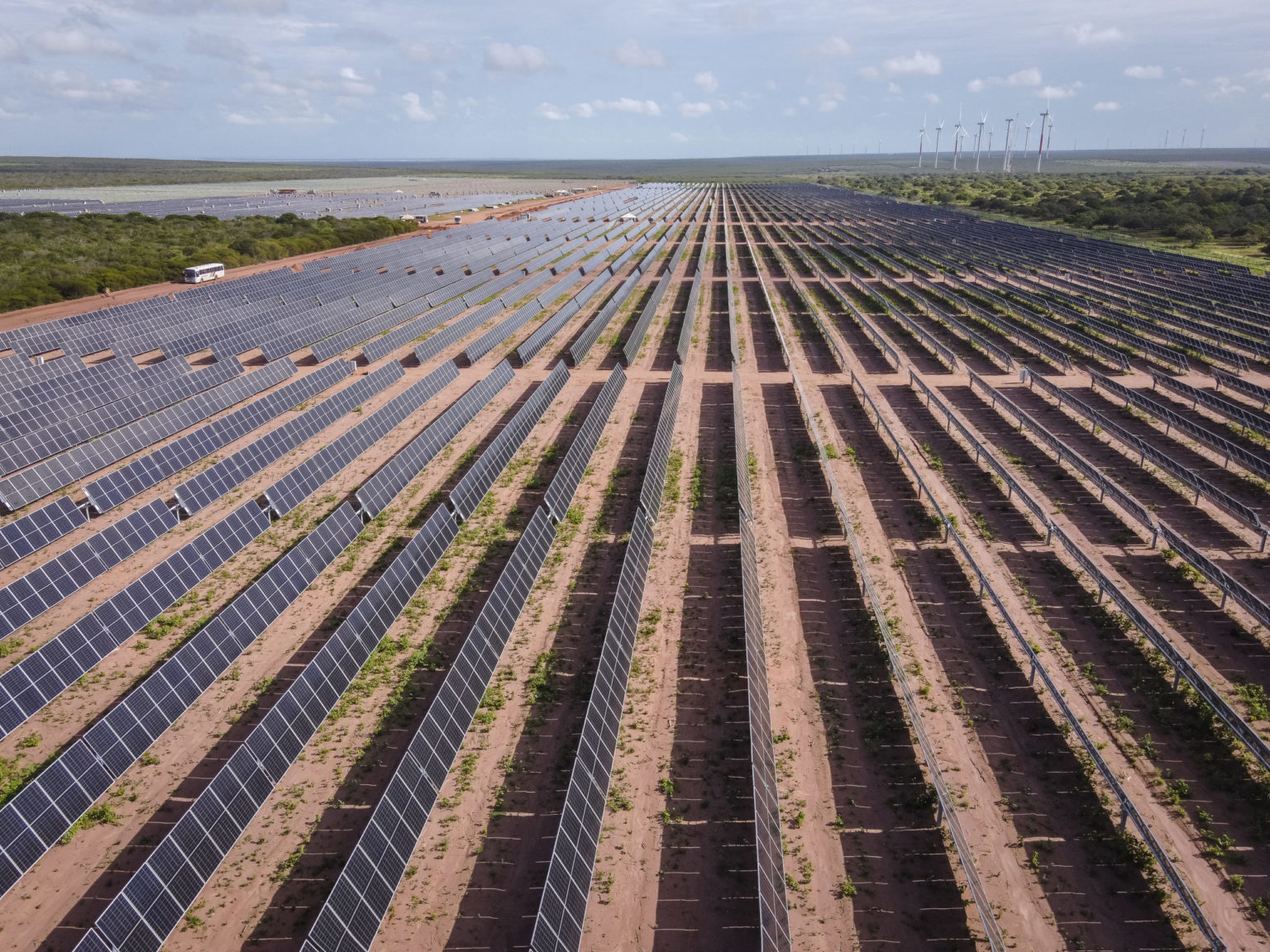
A strong El Niño event in late 2026 could push renewable generation curtailment in Brazil to 25%, up from 17% in Aurora Energy Research’s base-case scenario.
Solar PV generation could face curtailment of up to 40%, while onshore wind curtailment could reach 21%, according to the consultancy’s nodal modeling. The analysis considers curtailment related only to energy constraints and system reliability requirements.
Weather and dispatch conditions could combine to increase pressure on renewable generation. Under the El Niño scenario, the capacity factor for onshore wind in Brazil’s Northeast would rise from 47% to 52%, while medium- and long-term hydrological inflows in the region would fall from 53% to 40% of the historical average.
Higher renewable output would therefore coincide with lower water availability, increasing the need for generation curtailment.
Aurora estimates that the total cost of generation curtailment could exceed BRL 8 billion ($1.5 billion) in 2026, more than double its base-case estimate. Higher curtailment could put pressure on project cash flows and the debt-servicing capacity of contracted assets.
“A strong El Niño event could significantly alter the trajectory of generation curtailment in Brazil. Our models indicate that total curtailment of renewable sources could reach 25% in 2026, well above current expectations,” said Rodrigo Borges, managing director of Aurora Energy Research in Brazil.
The situation could worsen if unfavorable hydrological conditions lead to the contracting or dispatch of thermal power plants outside the merit order. Mandatory generation from these plants reduces the space available for renewable generation and can increase curtailment.
Aurora cites Brazil’s 2021 water crisis as a reference point. Reservoir levels in the Southeast fell from about 69% to 29% of capacity over five months. That year, the Electric Sector Monitoring Committee (CMSE) authorized 37 TWh of emergency thermal generation, equivalent to 32% of total thermal output.
A similar dynamic could occur if an El Niño event coincides with severe drought. Aurora’s modeling indicates that an additional 3 GW of thermal generation dispatched outside the standard merit order could add up to six percentage points to solar PV curtailment. In that scenario, PV curtailment could reach 47% in 2026.
“What makes 2026 particularly complex is the potential interplay between weather and dispatch dynamics. El Niño reduces hydroelectric inflows in the Northeast while simultaneously boosting capacity factors for renewable sources, thereby increasing generation curtailment,” said Rodrigo Longo, senior associate at Aurora Energy Research.
El Niño-related temperature increases could also drive higher electricity demand for cooling, particularly in the Southeast. Higher consumption could absorb some surplus generation and reduce the need for curtailment.
The effect, however, would be limited. Aurora said curtailment would remain above its base-case scenario even after accounting for higher demand, as the increase in renewable capacity factors would outweigh the mitigating effect of additional consumption.
The analysis highlights the need for investors, developers, and financiers to account for generation curtailment, including weather- and dispatch-related risks, in financial assessments and risk-management strategies for renewable energy projects.
This content is protected by copyright and may not be reused. If you want to cooperate with us and would like to reuse some of our content, please contact: [email protected].

Please login to comment