Author

Lívia Neves
Livia is covering the energy sector, especially solar and wind, since 2012. She was executive editor of Brasil Energia magazine from 2019 to 2020. She has been editing pv magazine’s Portuguese newsletter since June 2021, as well as collaborating with the company’s other projects and platforms, writing about business, policies and technologies for solar energy in Brazil.
Advertisement
Articles written by Lívia Neves

Brazil’s Intersolar SA 2026 highlights storage momentum amid solar slowdown
Energy storage is emerging as one of the key growth areas for Brazil’s solar industry. Manufacturers are expanding their battery portfolios and seeking local partnerships to meet domestic content requirements for the country’s first storage auction. At the same time, slowing growth in solar generation is putting pressure on distributors and suppliers.
Aug 31, 2026

Brazil’s plan for a battery supply chain
Battery manufacturing in Brazil is being spurred by local content requirements for country’s December 2026 energy storage auction, as well as the financing terms from Brazilian development bank BNDES that are favorable to locally made products. Domestic and foreign suppliers are already announcing investments in battery manufacturing facilities.
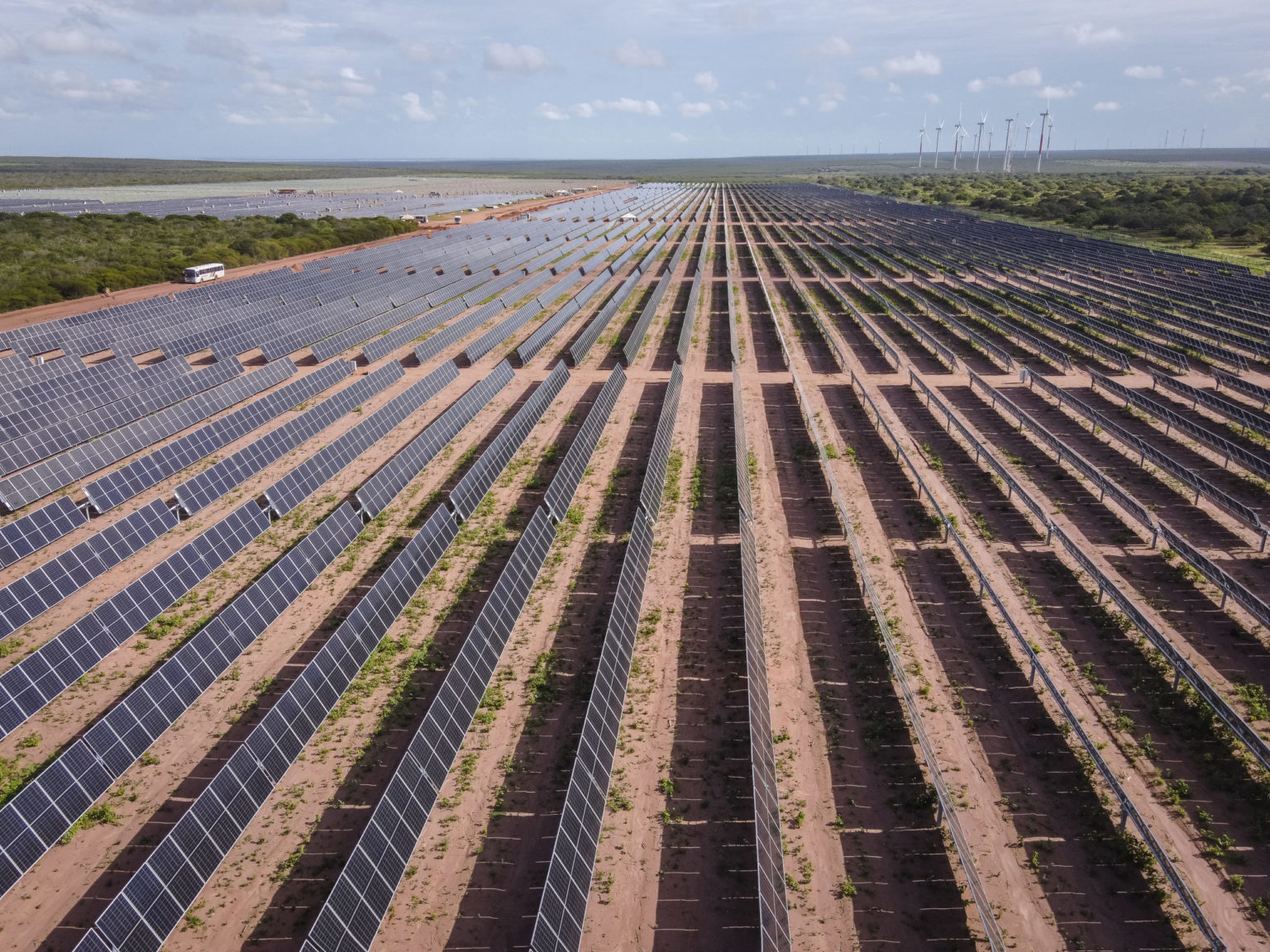
El Niño could drive PV generation curtailment to 40% in Brazil in 2026
A strong El Niño in late 2026 could push renewable generation curtailment in Brazil to 25%, with solar PV curtailment potentially reaching 40%. Additional thermal dispatch could further increase PV curtailment to 47%, raising financial risks for renewable projects.
Advertisement
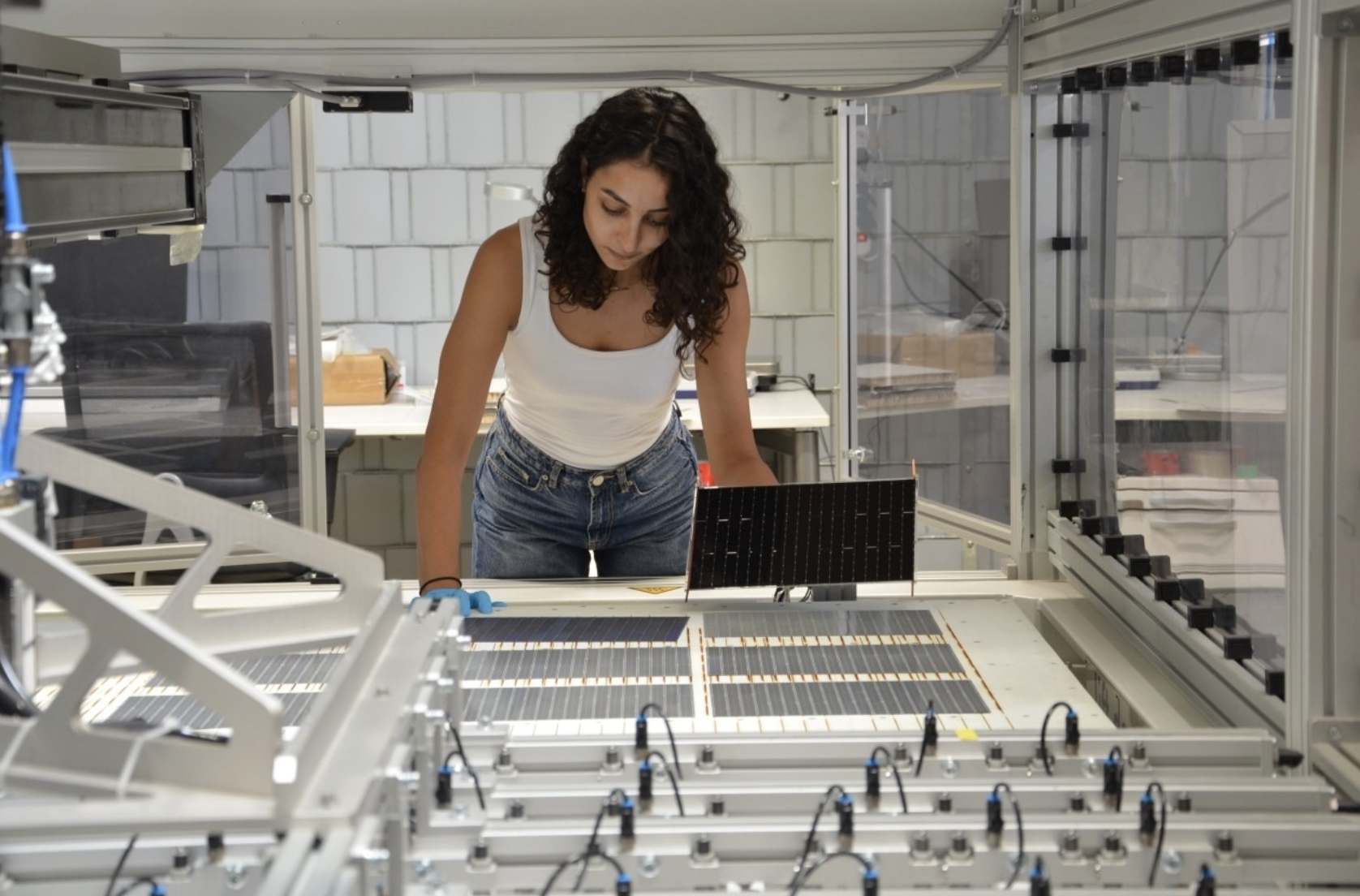
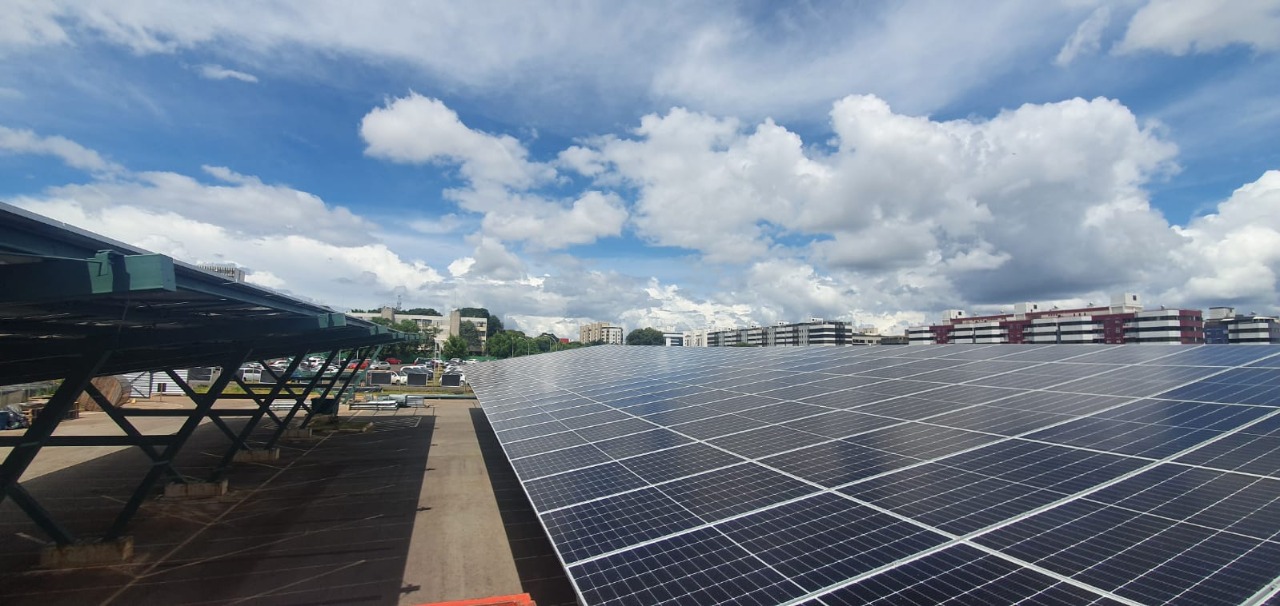
Brazil’s distributed solar fleet achieves 72% average performance ratio
A study presented by Brazil’s grid operator ONS shows that distributed-generation solar PV plants achieve an average performance ratio of 72%, with variations driven by seasonality and soiling. The findings will support new forecasting models to improve grid management as distributed solar capacity continues to expand.
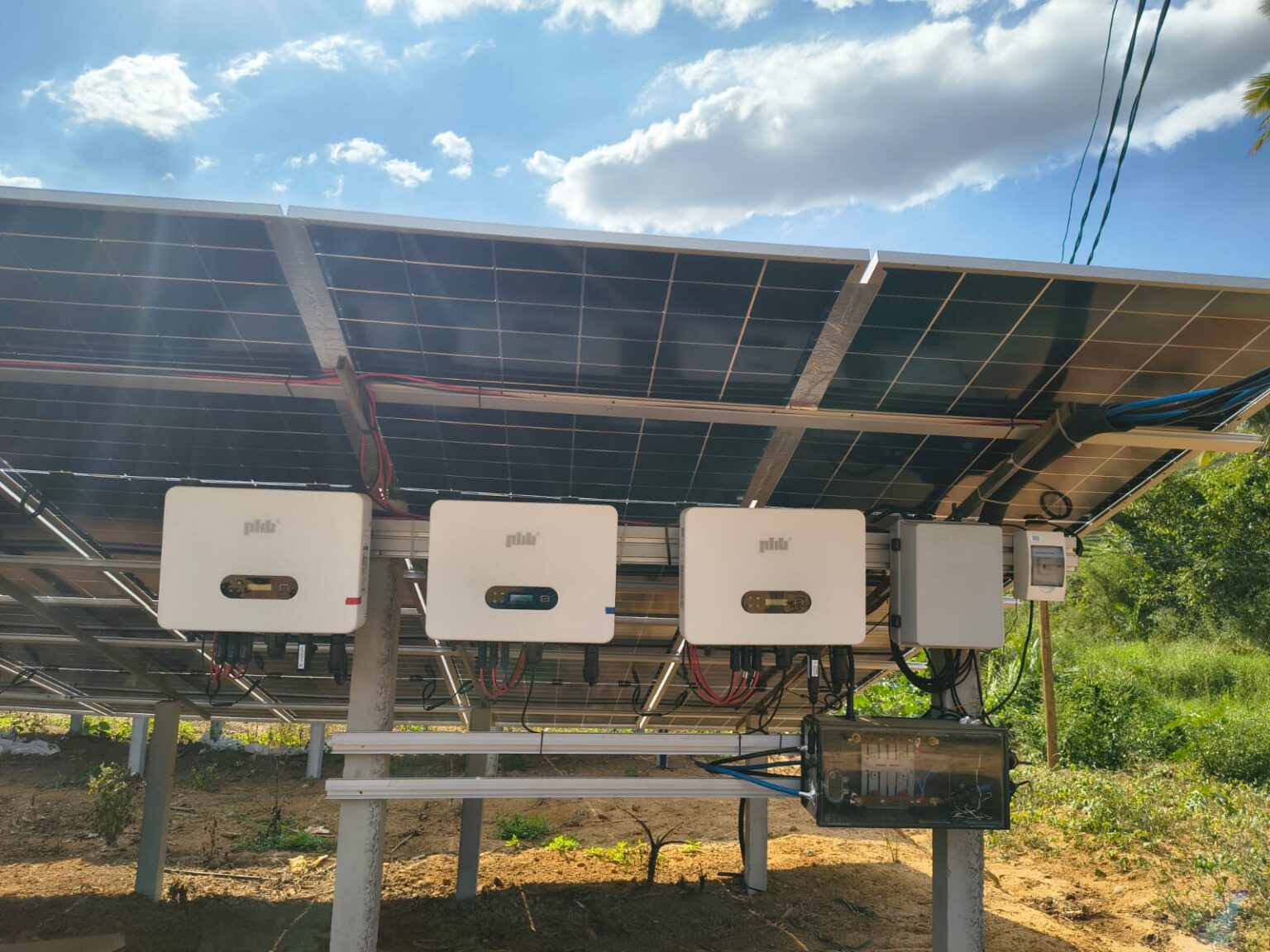
Smart controllers help Brazilian PV projects bypass reverse power flow constraints
Brazilian solar installer Alba Energia is using smart power controllers combined with Aneel’s simultaneity rules to overcome reverse power flow restrictions and enable larger distributed solar arrays. The approach allows PV system owners to maximize on-site solar generation while keeping grid exports within utility-approved limits.
Advertisement
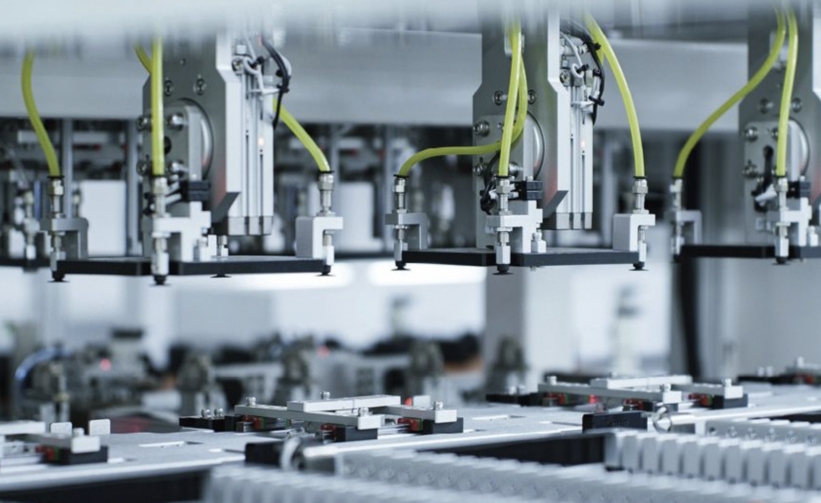
China could produce more batteries than global demand by 2030, says US think tank
China’s battery cell manufacturing capacity could exceed projected global demand by 2030, according to a new Carnegie Endowment report, which recommends selective cooperation with Chinese companies to reduce supply chain risks.
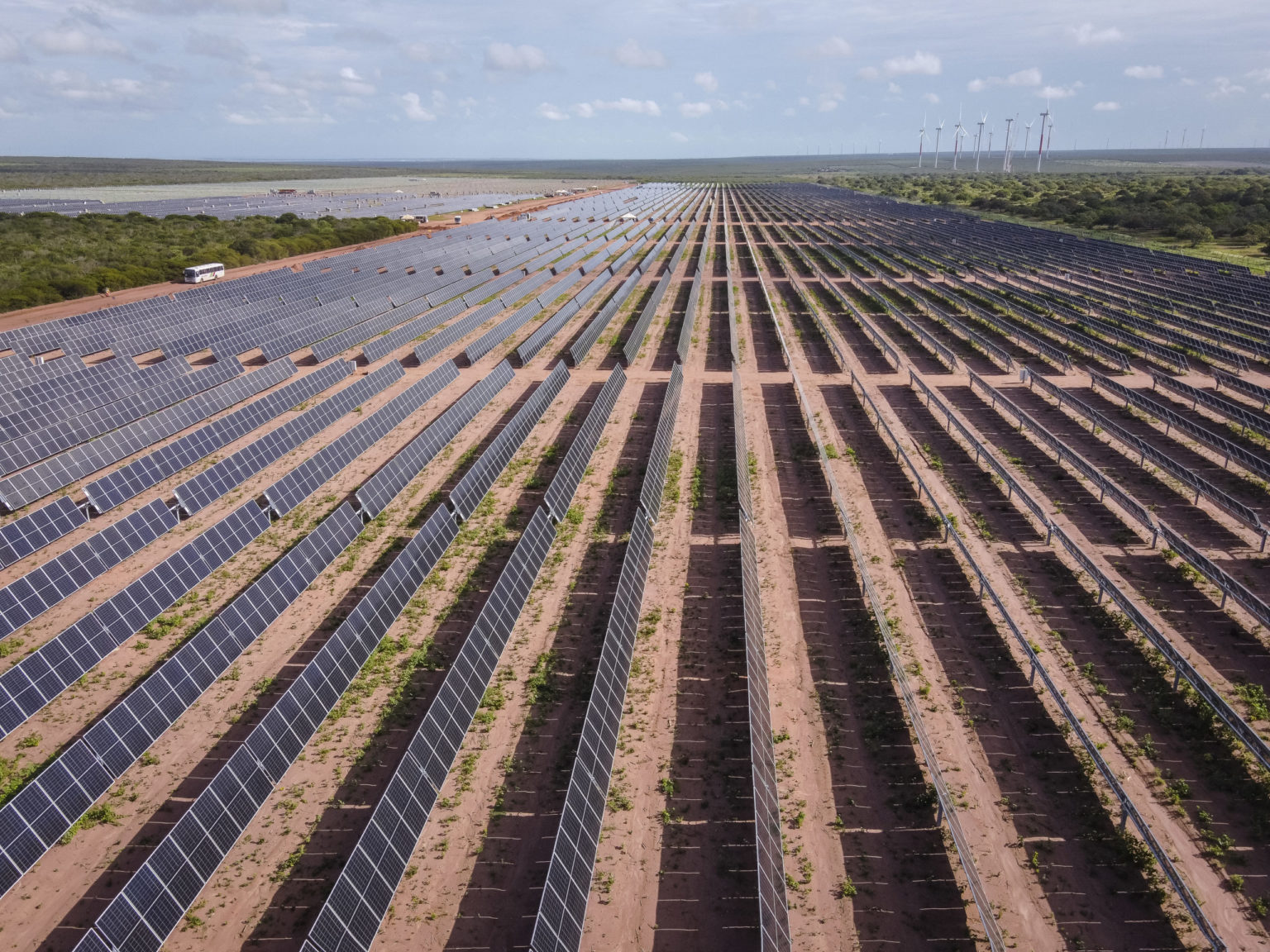
Brazil distributed solar financing rises as utility-scale investment falls
Brazil’s renewable energy financing rose to BRL 36.3 billion in 2025 but remained well below the 2022 peak, as high interest rates, curtailment, and regulatory uncertainty continued to constrain investment. Distributed solar proved the most resilient segment, while wind power rebounded strongly and energy storage emerged as a growing market despite financing figures that likely understate its expansion.
Advertisement