Tesla files tax incentive application for $10.1 billion Texas solar cell plant

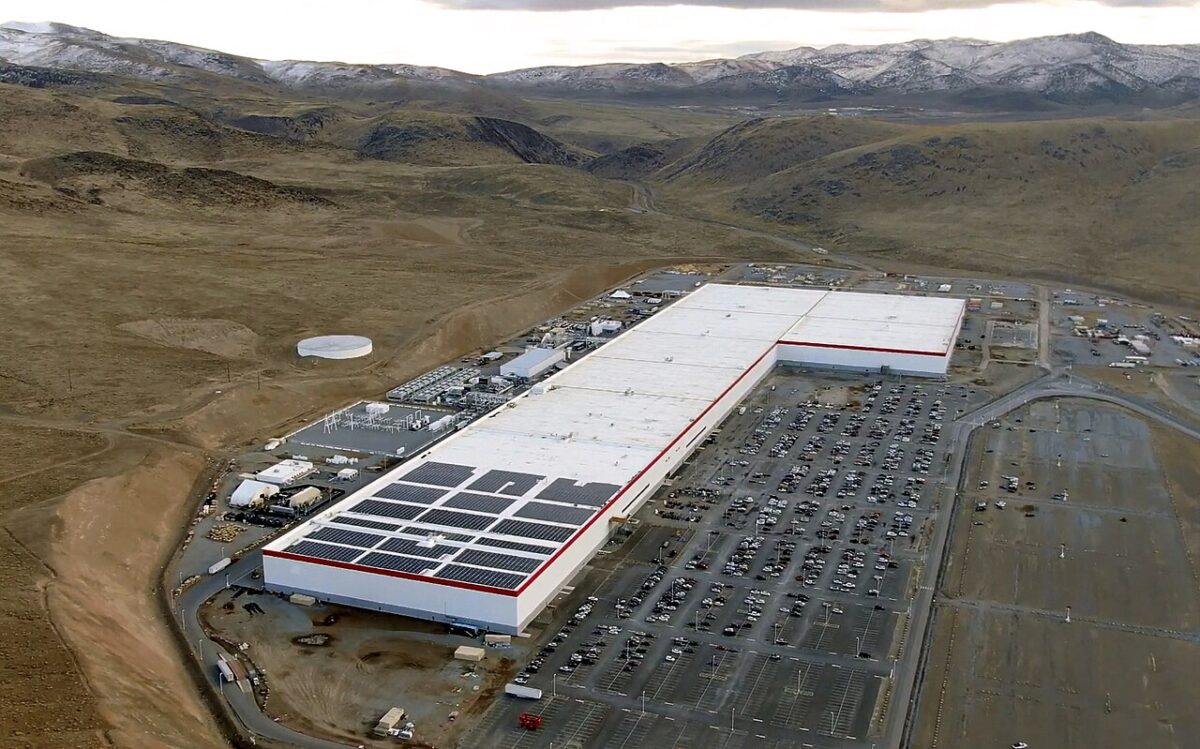
Tesla is seeking a ten-year property tax limitation in Texas to support the construction of a $10.1 billion solar cell manufacturing facility, according to application documents posted by the Texas Comptroller.
Code-named Project Crystal Sun, the application outlines a 3,050-acre site near Richmond in Fort Bend County, located within the jurisdiction of the Lamar Consolidated Independent School District. The filing was prepared by consulting firm Kroll and signed on July 22 before surfacing publicly in early August.
If approved and executed as planned, the development would mark the largest single manufacturing investment Tesla has proposed on paper. The capital commitment includes $1.5 billion in real property alongside $8.6 billion in manufacturing equipment and personal property. Tesla projects that the plant will create 9,712 permanent full-time positions once fully operational, along with 1,147 peak construction jobs.
The filing details a fully vertically integrated solar cell and module production stack. Equipment lists submitted with the application include machinery for ingot pulling, wafer slicing, chemical coating, metallization, printing lines, cleanroom systems, and automated material handling.
While the majority of recent U.S. solar manufacturing additions have centered on module assembly using imported cells, Project Crystal Sun would bring cell and wafer fabrication directly onto domestic soil. The move aligns with previously stated ambitions by Tesla leadership to establish massive domestic solar supply chain capacity.
Construction is targeted to span from 2026 through 2028, with commercial production scheduled to start in the first quarter of 2029. However, Tesla noted in the paperwork that it is actively evaluating an competing out-of-state site, making the receipt of local tax incentives a key factor in final site selection.
An economic impact analysis attached to the filing estimates that full buildout could contribute $107 billion to Texas gross domestic product and $6.4 billion in state and local tax revenue over a 38-year horizon.
While the Chapter 312 tax application for Project Crystal Sun does not specify an exact annual nameplate capacity in GW for the Fort Bend County facility, industry analysts view the $10.1 billion investment as the foundational pillar toward Tesla’s previously stated target of 100 GW of annual domestic solar manufacturing capacity.
The filing confirms the plant is designed for full vertical integration across the silicon-to-module value chain, including ingot pulling, wafer slicing, cell fabrication (chemical coating, metallization, screen printing), and final module assembly. The $8.6 billion earmarked specifically for manufacturing equipment reflects high-volume automated cell and wafer lines rather than simple downstream module assembly.
For comparison, total U.S. solar module manufacturing capacity across all producers stood at roughly 60 GW as of early 2026, with solar cell manufacturing capacity lagging significantly behind at under 15 GW. A single facility of this capital scale would represent a multiple of existing domestic cell manufacturing output.
This content is protected by copyright and may not be reused. If you want to cooperate with us and would like to reuse some of our content, please contact: [email protected].

Please login to comment