Denmark adds 337 MW of solar in H1

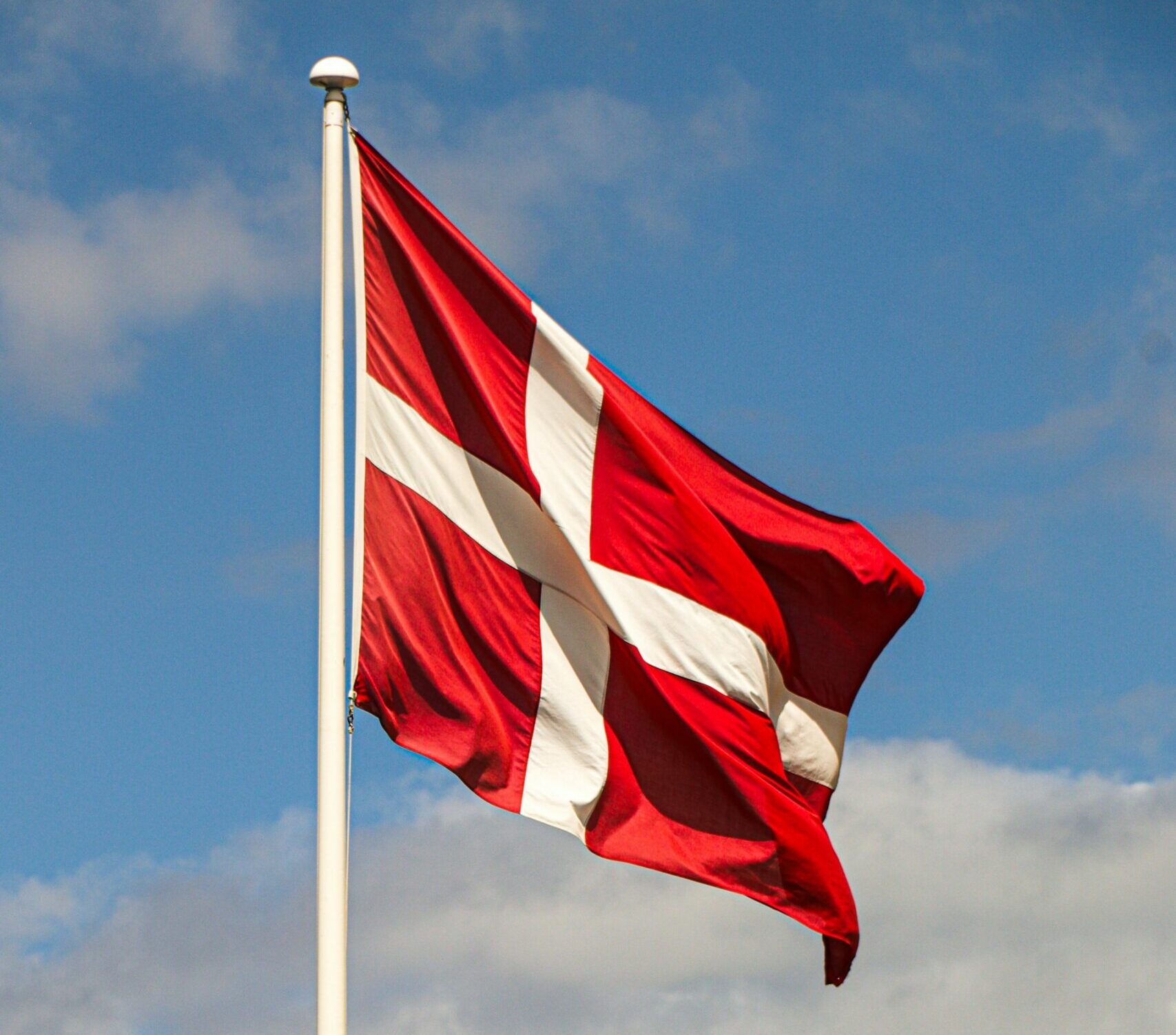
Denmark installed 336.7 MW of solar during the first half of the year (H1), according to figures published by Danish solar association Dansk Solcelleforening.
The figure is an 11% increase on deployments across the first half of 2025. Dansk Solcelleforening latest update says Denmark’s cumulative PV capacity now stands at 5.4 GW.
The association’s analysis says growth in Denmark’s solar market is currently driven by larger-scale projects. A total 271 MW of utility-scale solar, consisting projects larger than 1 MW, were switched on in H1 in Denmark, compared to 208 MW in the first half of 2025.
“Investment appetite remains high once projects have received regulatory approval and grid connection, which is a positive market signal,” a briefing published by the association says.
In contrast, the expansion of solar energy on buildings continues to decline across both the residential and C&I market segments in Denmark. Residential solar installations fell from 36.3 MW in the first half of 2025 to 28.2 MW in the first half of 2026, while C&I deployments fell from 55.2 MW to 37.2 MW across the same periods.
Dansk Solcelleforening added that the C&I downturn is particularly worrying, with the framework conditions for decentralized energy plants currently not attractive enough in a market with low energy prices.
“The segments that can relieve the electricity grid most effectively are developing the weakest,” the association explained. “In other words, the political ambitions have not yet been translated into framework conditions that raise the level of investments in solar power on buildings.”
Dansk Solcelleforening’s Birgitte Eskildsen told pv magazine that the Danish Parliament is preparing to implement new regulations that will make it “simpler and more attractive” to install PV on public buildings, expected to enter into force on September 14.
“Moreover, we expect the new government to come up with more initiatives, so that the amount of solar deployed will rise,” Eskildsen added.
During this year’s Intersolar in Munich, pv magazine met with Dansk Solcelleforening board members Johan Christensen and Jacob Engdal to discuss the latest developments in Denmark’s solar and storage markets.
This content is protected by copyright and may not be reused. If you want to cooperate with us and would like to reuse some of our content, please contact: [email protected].

Please login to comment